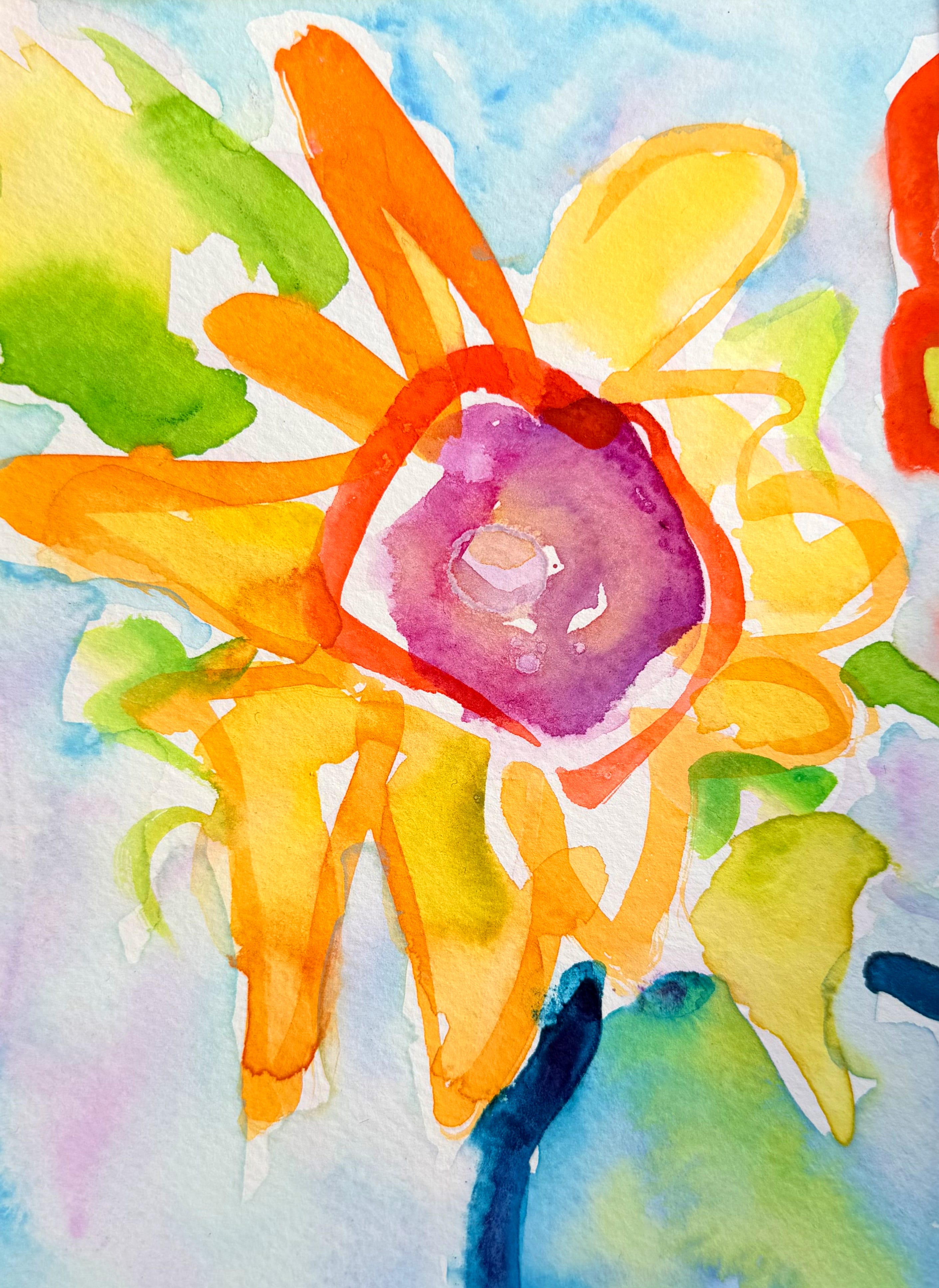
Tell Me 3 Good Things is a simple 3-part practice where we Notice, Name + Share good things as an antidote to the overwhelm of modern life - and as a way of recalibrating and reclaiming our attention.
We practice to remind ourselves, and each other, that there is good in the world, even when times feel hard.
Here’s how it works:
*Part 1: *** Notice. Take a moment to look around. Is there something in your line of sight that is good? A roof over your head, something to eat? Is your heart beating? Are your senses working? Those are good things. There might be something good in this minute right here, or you might remember something good from last week or last month, from the holiday season, from last summer, from your childhood. It doesn’t matter when or where. Good things are good things. Can you notice 3?
*Part 2: *** Name. Once you’ve noticed something good, take a moment to write it down, say it out loud, or take a picture. When you take the time to name the good thing, you give it substance outside of your own awareness. By naming it, you’re more likely to remember it later. You give the good thing staying power.
*Part 3: *** Share. Tell someone about the good things you’ve noticed and named. Text a friend, talk about it at the dinner table, or share it at your meeting. Leave a comment here, or hit reply and send me an email. When we share good things we shine a light that helps us - and helps each other - to see more of what’s good. We create ripples.
That’s it, 3 simple steps. This practice is so simple, it’s easy to think it doesn’t matter, or it can’t make a difference. Heck, I thought that before I started practicing more than 10 years years ago.
But I am living proof that it does make a difference - and there are thousands of people here who will tell you the same. And it’s grounded in science.
When we practice, we are building or strengthening neural pathways - developing the muscles in our brains that enable us to see good things. The same way we build muscles in our brains to be able to do multiplication tables, or play piano. The same way we build muscles to run a 5K, or climb a mountain.
You know how when you’re on the beach and you spot a heart-shaped rock, then suddenly you spot more heart shaped rocks? Or four-leaf clovers, or 11:11 on the clock? When you see it once, you’re more likely to see it again. We’re using that concept to train our brains to see the good things in our lives and in the world.
Why?
Because hard things are all around us, and they make themselves known at every turn. The news, the social media, the price of groceries, the war, the illness, the suffering, the list goes on. We don’t have to look far - or hard - to find hard things.
The good things, on the other hand, aren’t always clamoring for our attention. But we need the good, it’s how we hold onto hope. It’s how we live in a world where hard things happen. The good is what keeps us going when we feel like climbing under the covers for the foreseeable future. And when it’s hardest to see the good, that’s when we need this practice most.
Monday:
Today is my sister-in-law’s birthday!
The sunflowers on my dining room table are a shock of bright yellow joy.
Baked potatoes for dinner = comfort food.
Now you? Tell me 3 good things?
Xo.