Discovery
Browse Storyflo.Across every vertical.
Stories from independent and tier-1 publishers. Filter by vertical, search by topic, listen anywhere — your audio sidekick handles the rest.
Stories from independent and tier-1 publishers. Filter by vertical, search by topic, listen anywhere — your audio sidekick handles the rest.
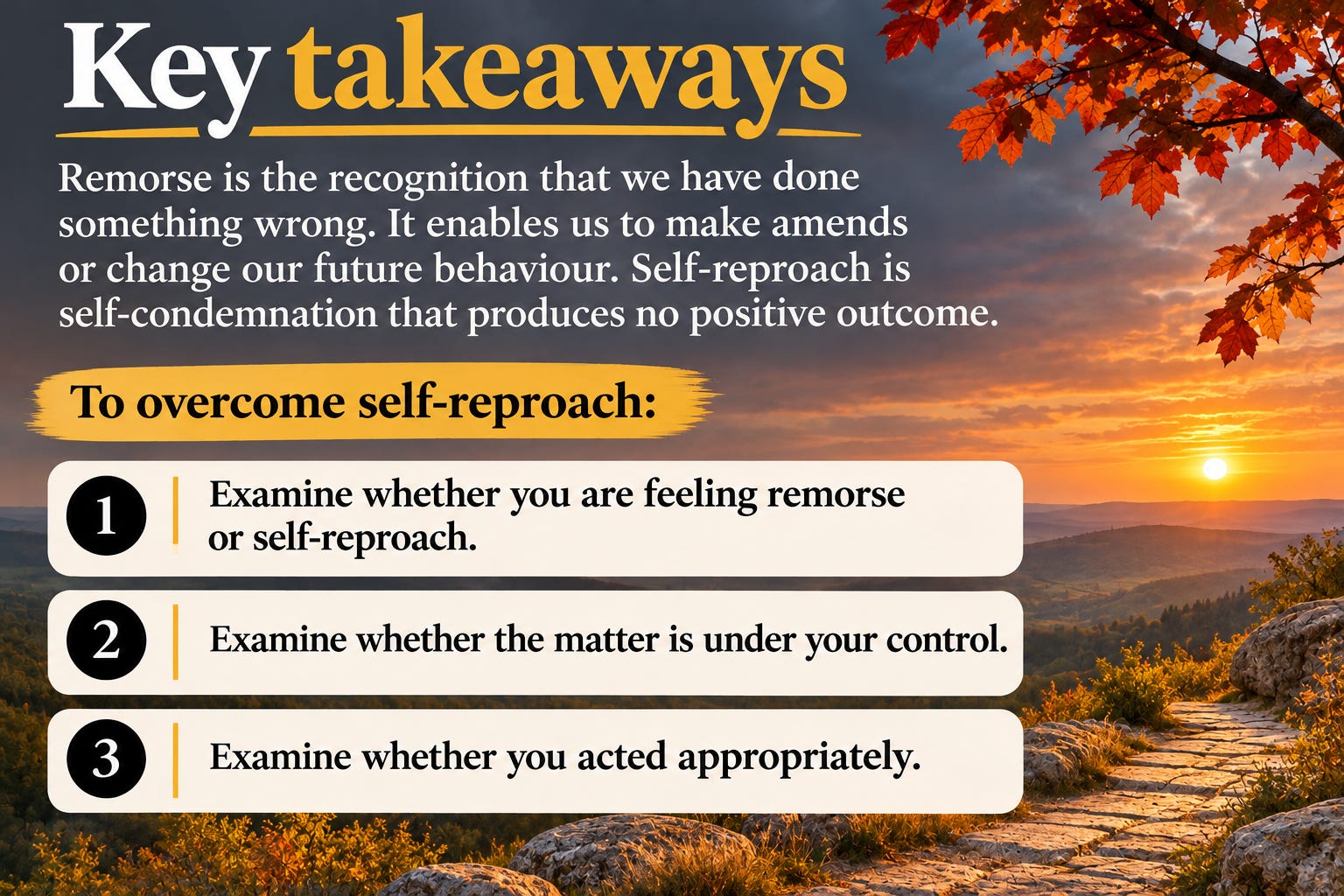
Hey! So, I was reading about self-reproach, and it got me thinking about Abraham Lincoln, which is wild, right? Apparently, after his first love, Ann Rutledge, died of typhoid, he was absolutely devastated and blamed himself, even though there was nothing he could have done. It's like, our brains just try to find a way to control things, even when it's impossible. This article really breaks down the difference between guilt, remorse, and self-reproach. Guilt is feeling like you did something wrong. Remorse is realizing you messed up and it can actually help you make amends or change your behavior for the better. But self-reproach? That's the one that really digs in, making you feel like you're fundamentally flawed or a lesser person because of something that happened. The article suggests a lot of this comes from how we're raised, this cultural conditioning where we're taught to feel bad to conform. And it’s not just about things we *actually* did, but also things we feel responsible for that are way outside our control, like global warming or poverty. It’s like we’re punishing ourselves for not being able to fix everything. It uses this example of a woman who drove to see her dying father, stopped to rest because she was exhausted, and he died just before she got there. She spent years blaming herself for stopping, thinking if only she'd pushed through, she could have seen him. But the article points out she couldn't have known when he'd die, and driving while exhausted could have been dangerous. It’s about judging past decisions with future knowledge, which just isn't fair to ourselves. So, the key takeaway is to really pause and ask yourself if you can learn from something or make amends. If the answer is no, then you're probably in self-reproach territory, beating yourself up over something you couldn't control. It’s about recognizing that we can’t be responsible for everything, and letting go of that impossible burden.