Discovery
Browse Storyflo.Across every vertical.
Stories from independent and tier-1 publishers. Filter by vertical, search by topic, listen anywhere — your audio sidekick handles the rest.
Latest stories · world
 The Spy Analyst · world· 8 min
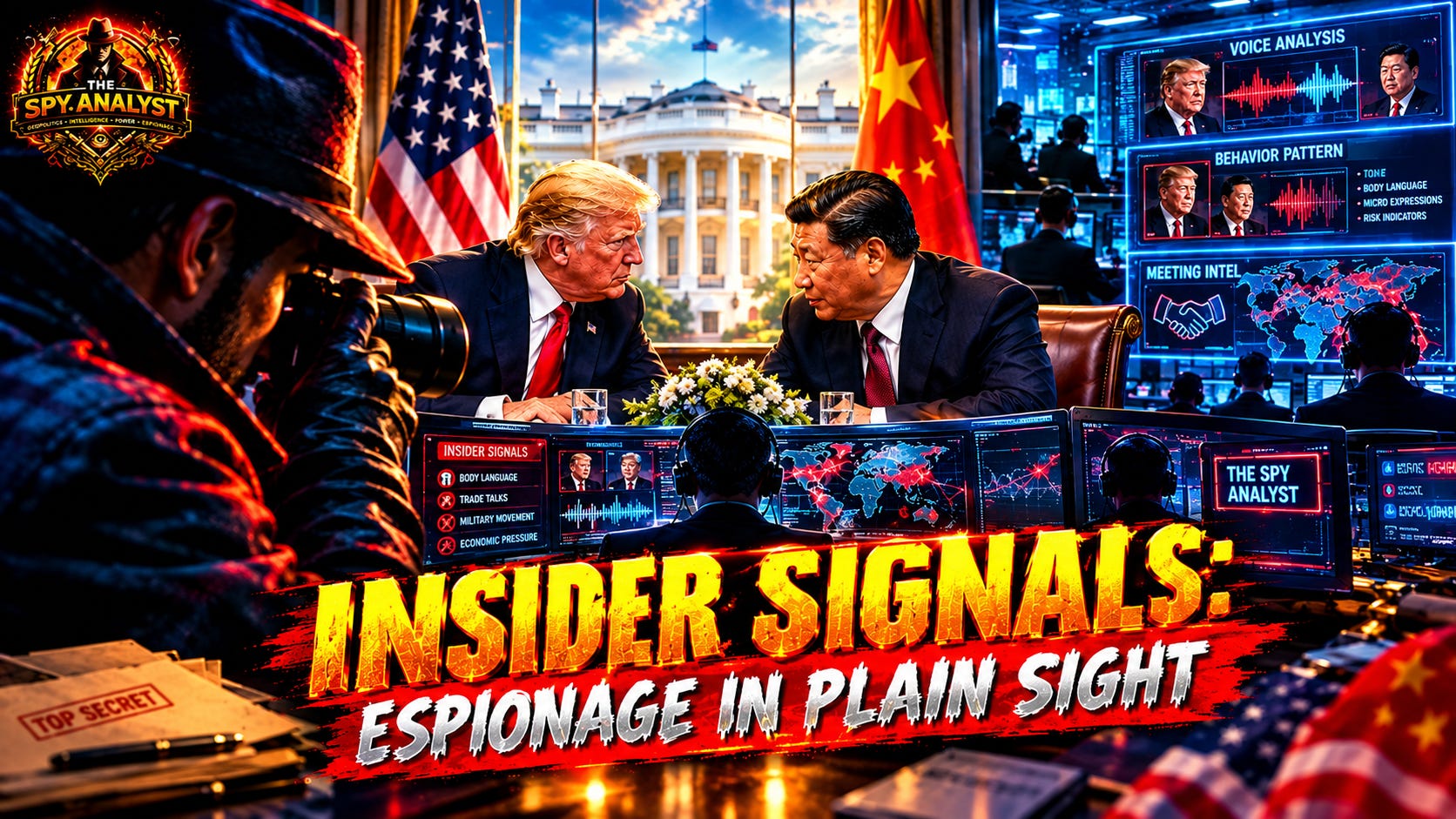
THE TRUMP–XI SUMMIT: THE ESPIONAGE GAME HIDDEN IN PLAIN SIGHT
Trump and Xi met in Busan on October 30, 2025, marking the start of a series of high-stakes meetings aimed at reshaping U.S.-China relations. While the public focused on the ceremonial aspects of the summit, intelligence agencies worldwide were keenly observing the underlying dynamics. The meetings are part of a calculated strategy by both leaders, with Trump prioritizing economic outcomes over ideological concerns, a significant shift from previous administrations. He views China not as a communist rival but as a business competitor, driven by a grudge over perceived losses in trade and manufacturing. Meanwhile, Xi is focused on maintaining stability as his party prepares for critical governance discussions. The interplay of these agendas reveals a complex geopolitical landscape, where every gesture and statement carries weight, influencing global strategies and alliances.