Back in 2011, the writer Ta-Nehisi Coates was focused intensely on studying the Civil War era. He was interested in both its history and memory, with a specific focus on the place of African Americans in the story. At one point he planned a road trip for his family that included stops at a number of Civil War battlefields and related sites.
Coates’s thoughts about this journey can be found in a number of blog posts at the Atlantic and especially in an essay that the magazine released to mark the beginning of the Civil War sesquicentennial in 2011.
Here is what he wrote about visiting Gettysburg.
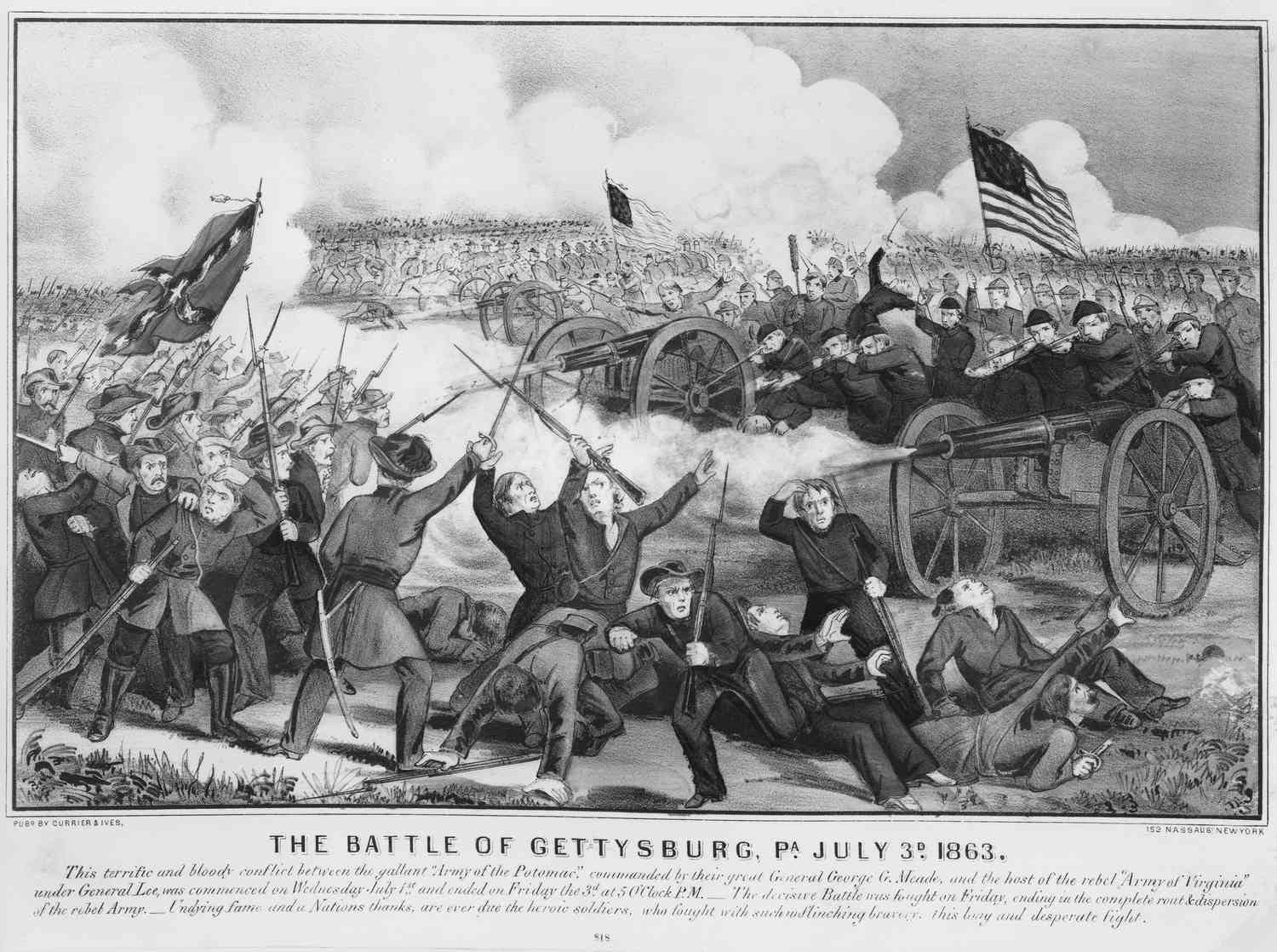
In August, I returned to Gettysburg. My visits to battlefields are always unsettling. Repeatedly, I have dragged my family along, and upon arrival I generally wish that I hadn’t. Nowhere, as a black person, do I feel myself more of a problem than at these places, premised, to varying degrees, on talking around me. But of all the Civil War battlefields I’ve visited, Gettysburg now seems the most honest and forward-looking. The film in the visitor center begins with slavery, putting it at the center of the conflict. And in recent years, the National Park Service has made an effort to recognize an understated historical element of the town—its community of free blacks.
Gettysburg National Military Park as well as other National Park Service sites were well on their to transforming their site interpretation to be more inclusive and direct about the importance of slavery, emancipation, and Black military service. That work continues to this day despite the pushback from the Trump administration.
But Coates also acknowledges the feeling of being Black on a Civil War battlefield through the recognition of one’s self as a “problem.” That word is doing a lot of work here, including pointing out the fact that relatively few African Americans visit Civil War battlefields.
Toward the end of the essay, Coates offers the following observation:
And for black people, there is this—the burden of taking ownership of the Civil War as Our War. During my trips to battlefields, the near-total absence of African American visitors has been striking. Confronted with the realization that the Civil War is the genesis of modern America, in general, and of modern black America, in particular, we cannot just implore the Park Service and the custodians of history to do more outreach—we have to become custodians ourselves.
It’s not enough to bring wayside markers and other exhibits into alignment with the best recent scholarship. Real change in how the war is remembered will only come when African Americans embrace these landscapes.
Coates’s essay caused quite a stir when it was first published and while I think it is worthy of our attention still today, it is easy to ignore the fact that there is a rich history of African Americans visiting Civil War battlefields, including Gettysburg.
If you are thinking about upgrading, please know that your support will go far in helping me to research and write my next book about African Americans and the Battle of Gettysburg. Thank you.