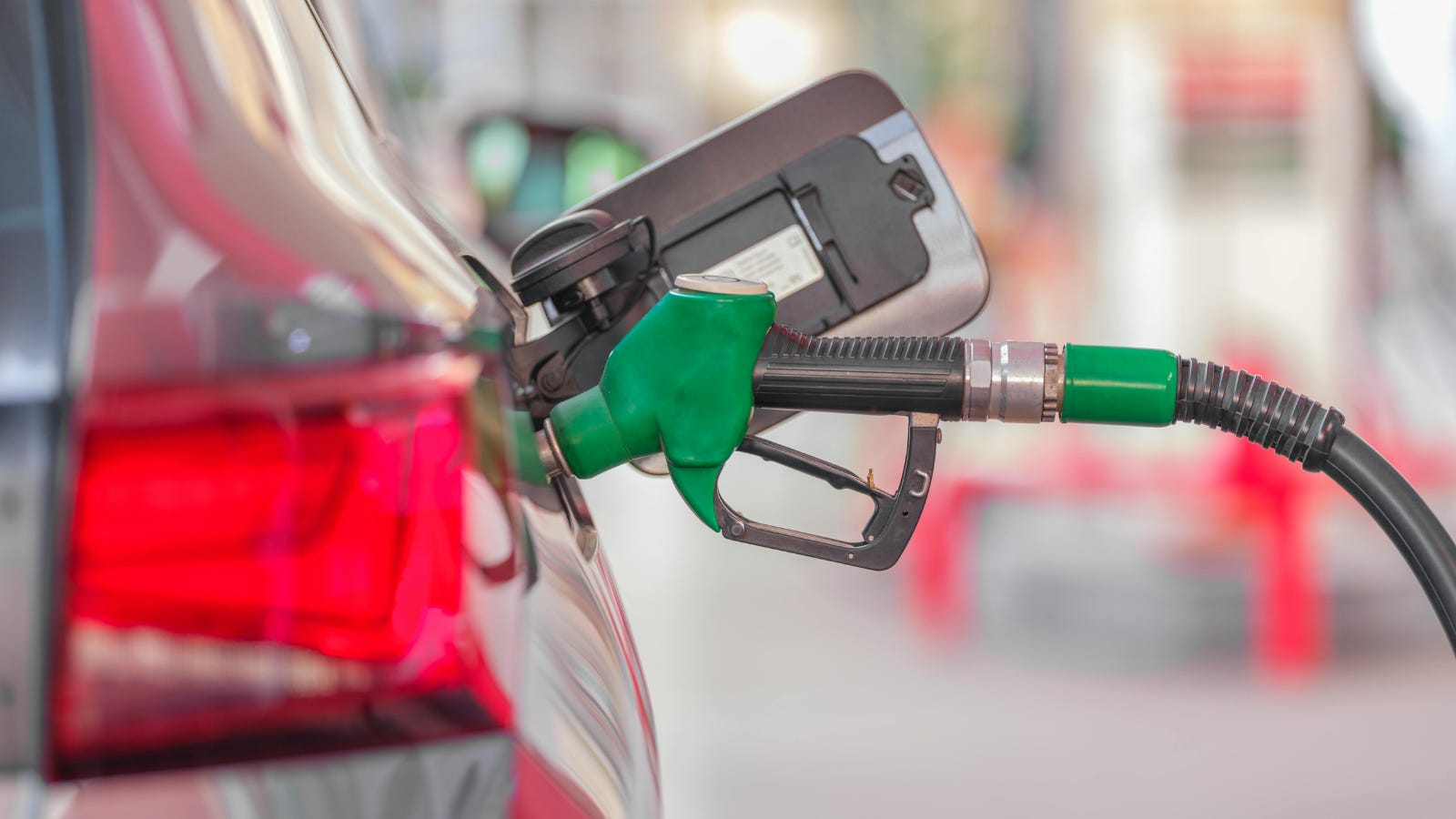
Gas and diesel prices in Connecticut climbed sharply over the past year, with diesel reaching a record high, according to AAA
The Trump regime moved to roll back federal fuel economy standards, a change it said would increase gasoline use
Economist Paul Krugman warned that a U.S. diesel export ban would raise diesel and heating oil costs in the Northeast
With gas prices continuing to rise as Trump’s Iran War drags on, and as the cost of diesel fuel continues to reach record highs in Connecticut, new policies from the Trump regime seem committed to deepening the pain felt by drivers in New England.
With a gallon of regular gas in Connecticut now standing at $4.49 per gallon, up from $3.14 a year ago, and as diesel fuel stands at an all-time high of $6.49 per gallon, up from $3.78 a year ago, according to AAA, fuel efficiency and fuel economy would seem to be important tools to help drivers get where they need to without breaking the bank.
Instead, the Trump regime announced its plans to roll back federal fuel economy standards intended to support that efficiency, driving down an average of more than 50 miles per gallon by 2031 to 34.9 miles, PBS News Hour reported. This new standard will limit fuel efficiency measures in vehicles while increasing pollution.
As a transportation expert told News Hour, this is “part of the [regime]’s multipronged strategy to make it easier to buy gas-powered vehicles and de-emphasize and in some cases make it more expensive to buy electric vehicles.”
While the Trump regime claims this move will cut the cost of new vehicles by $1,300, “there’s no guarantee or requirement that the auto companies pass that savings onto the consumer,” while “the fuel costs through the life of the vehicles would increase by about $1,600 on average,” meaning the move would likely cost more over the life of a vehicle than the savings would represent.
As well, the Trump regime said this change will increase gasoline use by about 5 percent through 2050, which represents up to $400 billion in additional fuel costs in the next 25 years for consumers.
Another proposal from the Trump regime to reduce fuel costs is expected to backfire, particularly in the Northeast and Connecticut. Should the United States move forward with an export ban of American diesel, not only would it harm the country’s relationship with other nations and energy companies, but it would also lead to diesel fuel costs spiking in the Northeast and the West Coast, according to economist Paul Krugman.
Those parts of the country purchase diesel exports from other countries, so a ban on U.S. exports would spark an increase in global fuel markets. More specifically, the Northeast and West Coast purchase a majority of their diesel fuel – and heating oil – from foreign countries, meaning a diesel export ban would drive up global fuel costs and put further pressure on markets facing all-time highs.