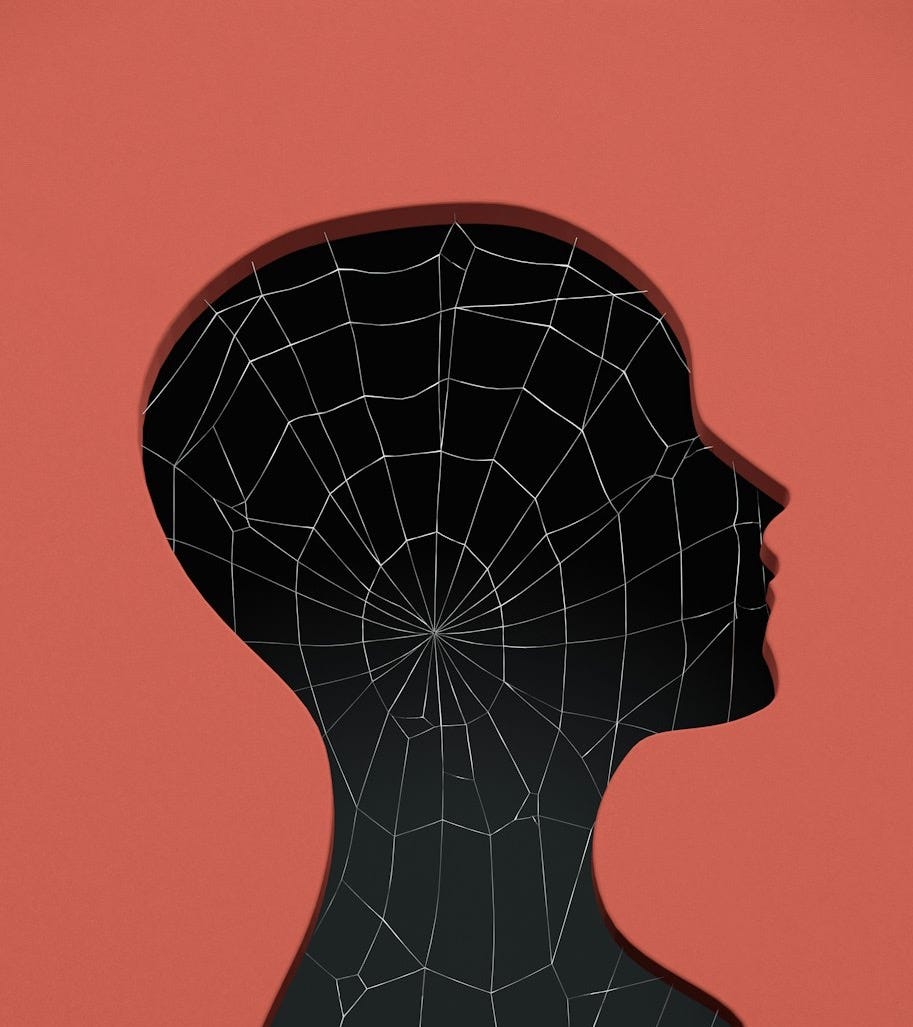
Maybe you already have the words. Autistic. ADHD. AuDHD. Maybe you got the diagnosis, or self-identified after the fortieth “wait, that’s not normal?” moment, or spent a weekend deep in TikTok videos feeling both seen and slightly unsettled by how accurate it all was.
Finally, an explanation for the sensory overwhelm, the executive dysfunction, the masking, the burnout cycles, the way your brain refuses to do the thing you want it to do and insists on doing the thing you don’t.
But if you’re honest, the diagnosis didn’t finish the sentence. It named the what. It didn’t quite explain the why it feels like this, why there’s still this residue underneath the label, a kind of exhaustion or grief or hypervigilance that the neurotype alone doesn’t seem to account for. You know you’re AuDHD, yet you still don’t fully know why it feels like something happened to you, when the wiring was there from the start.
That gap, between having the correct label and still feeling like part of the story is missing, is exactly what this framework was built to address.
I’m a licensed clinician and the founder of the neurocomplexity framework, and I want to offer you a way of understanding AuDHD that I haven’t seen named clearly elsewhere, built from years of clinical work with neurocomplex adults, and from my own ongoing development of this model.
There’s a sentence in this essay that will get misread if I don’t slow down and build the frame first, so let me say it now, and then spend the rest of this piece earning it.
You cannot have AuDHD wiring, and be alive, without trauma. The wiring itself is not caused by trauma. But that wiring, born into a mismatched world, will generate trauma-like adaptation every single time. This is how I understand nature and nurture in AuDHD, not as two separate stories, but as a single fused process.
If identification gave you a name but not the full shape of what you’ve lived through, this framework was built with you in mind.