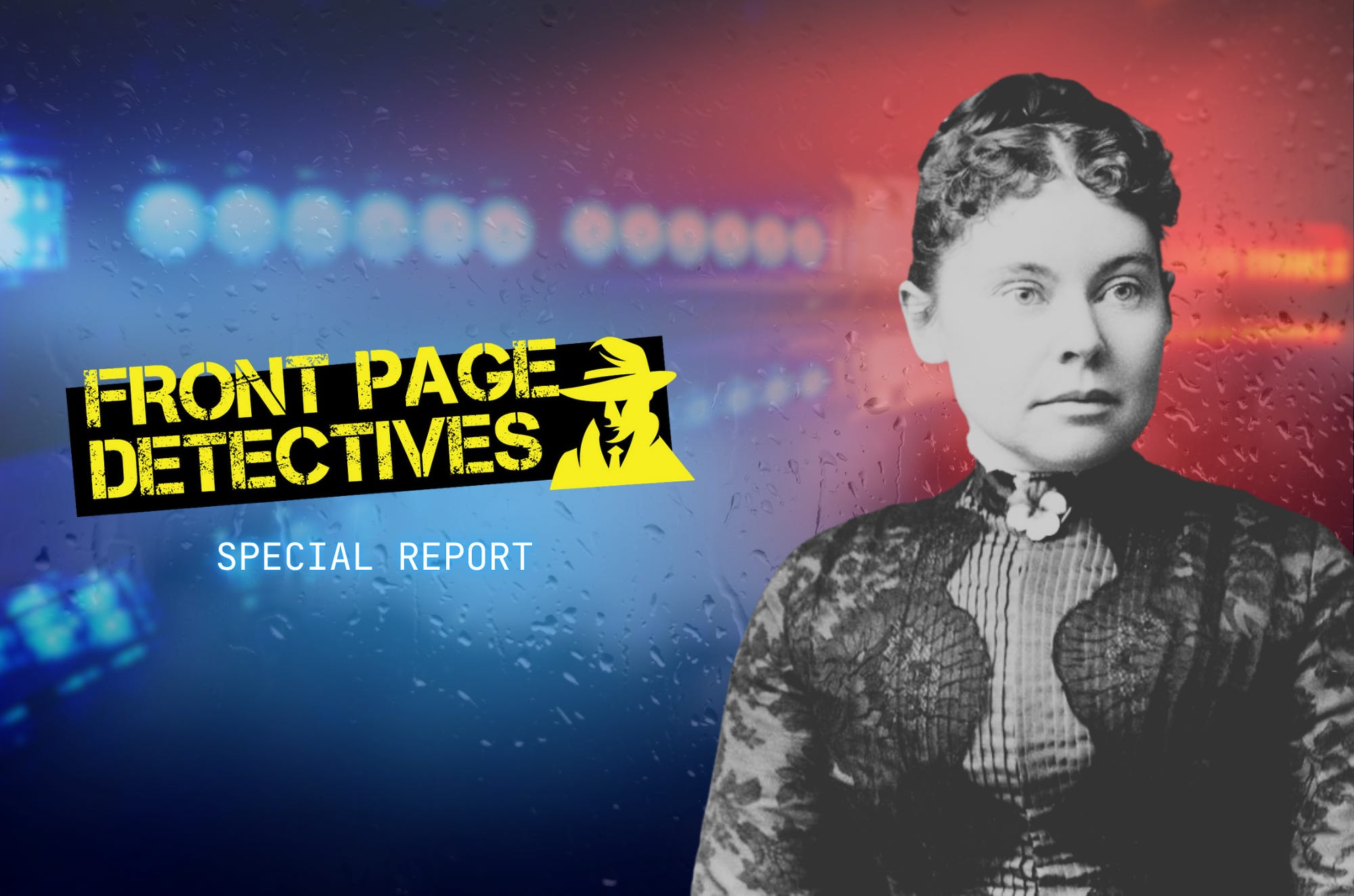
Most people meet Lizzie Borden in a rhyme. Her name arrives with an ax, a jaunty rhythm and the sort of violence children repeat without quite considering what they are saying. A woman raises a weapon. Two people die. The numbers climb extravagantly, and the whole dreadful business becomes something you can chant in a playground. Few murder suspects have secured such an enduring place in childhood. Fewer still have had their entire existence reduced to four lines that get even the basic details wrong.
The rhyme leaves little room for curiosity about Lizzie herself. It gives her something to do with her hands, but nothing to think, remember or want. There is no life before the first blow and no need to imagine one afterward. By the time we encounter her as adults, in a documentary or a television drama, recognition can feel like knowledge. We know the name. We know the weapon. We assume we know the woman.
Try to picture her without it. In the years before her name became notorious, Lizzie attended church, worked with charitable organizations and traveled to Europe. She had lost her mother as a small child and grown up with an older sister whose care helped shape her world. At 32, she remained unmarried and lived in her father’s house, although she had seen enough beyond it to know that other lives were possible. None of those details is particularly sinister. They belong to a person who had yet to become a subject for strangers to argue about.
Around her was Fall River, Massachusetts, where fortunes made through industry and commerce could purchase an imposing home and a place in fashionable society. Her father had accumulated considerable wealth, but the family’s Second Street address offered little display of it. Inside, property and money had become sources of resentment. Those disagreements would eventually be examined with an intensity their participants could scarcely have imagined, every remembered remark asked to reveal something about what came later.
Netflix’s Monster: The Lizzie Borden Story, with Ella Beatty in the title role, enters that intimate territory. Ryan Murphy and Ian Brennan’s anthology has repeatedly drawn criticism for what it invents around real people, and Lizzie presents an especially powerful temptation. Here is a woman whose name seems to promise a complete story, while the surviving evidence withholds some of its most important parts. Give her a secret, supply a private confrontation, and suddenly the pieces appear to fit.
But the real story has a pull of its own. In testimony, Lizzie must answer questions rather than fulfill a legend. The people around her remember conversations, describe habits and sometimes disagree about things that ought to be simple. Read closely, and the familiar figure becomes difficult to hold in view. Before deciding what kind of monster television has found in Lizzie Borden, there is a woman in those pages worth meeting.