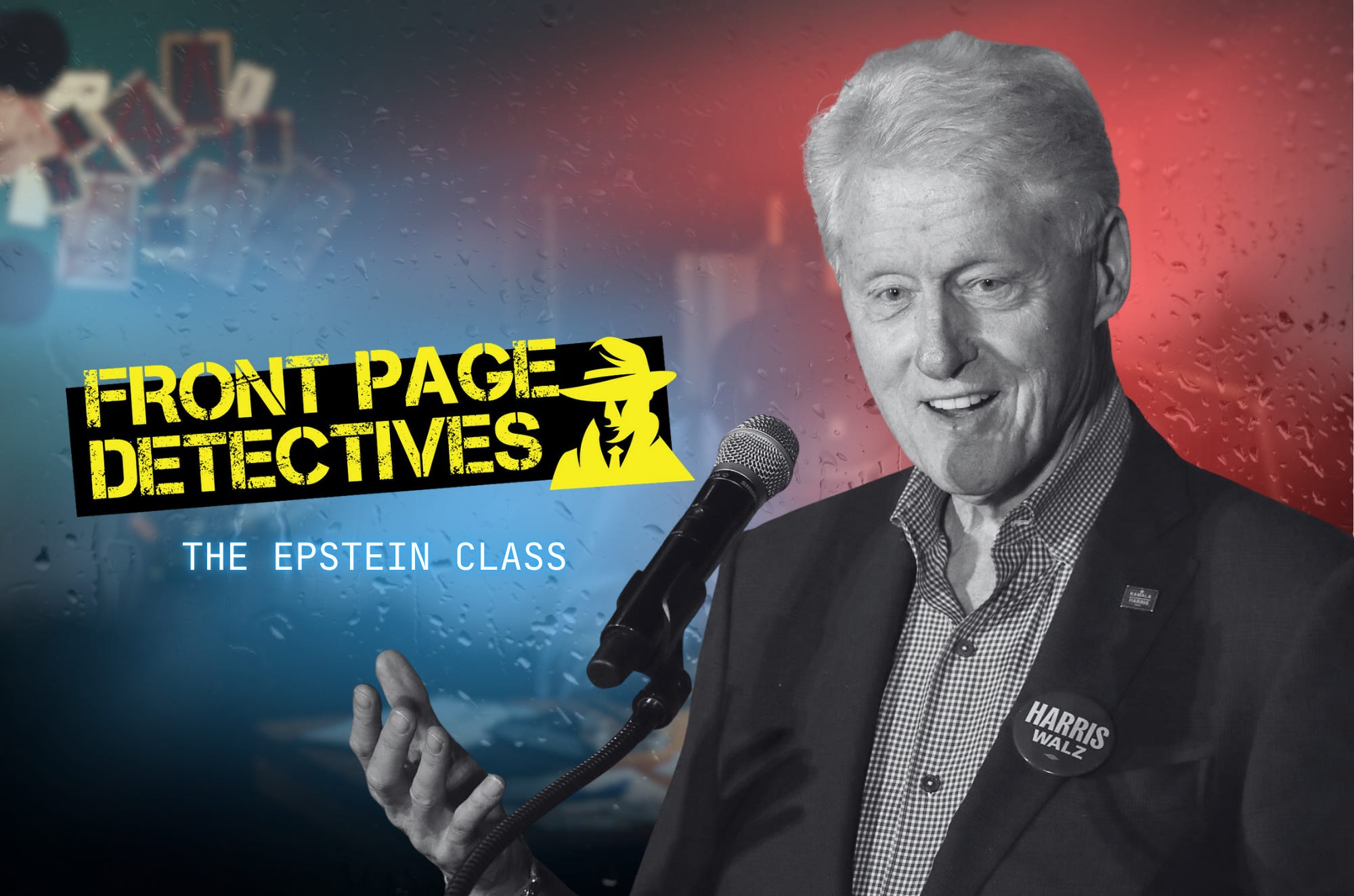
Bill Clinton gave Jeffrey Epstein something money alone could not buy in the public approval of a former American president.
In 2002, after traveling aboard Epstein’s aircraft, Clinton supplied New York magazine with an endorsement of his host’s financial success, generosity and scientific interests. He called Epstein a “committed philanthropist.” The description helped present a wealthy man with an opaque business history as someone worth taking seriously.
Clinton now says he wishes he had never met him. But the record extends beyond a regretted introduction. It includes repeated international travel, White House access, personal messages, charitable connections and a relationship with Ghislaine Maxwell that survived well beyond Epstein’s conviction. It also includes disputed accounts placing Clinton on Epstein’s island and testimony that has left significant questions unresolved.
Clinton denies participating in or knowing about Epstein’s sexual abuse. He has not been criminally charged in connection with it. His February congressional deposition put those denials on the record after months of resistance to appearing. The question is whether his account adequately explains the access he and his organization granted to Epstein and Maxwell.
For Epstein, a seat beside Clinton offered more than a photograph. It provided entry into a world of presidents, donors and international philanthropy. For Maxwell, the relationship proved durable enough to survive allegations that should have demanded serious examination.
How that access was obtained, maintained and eventually explained is central to Clinton’s place in The Epstein Class.