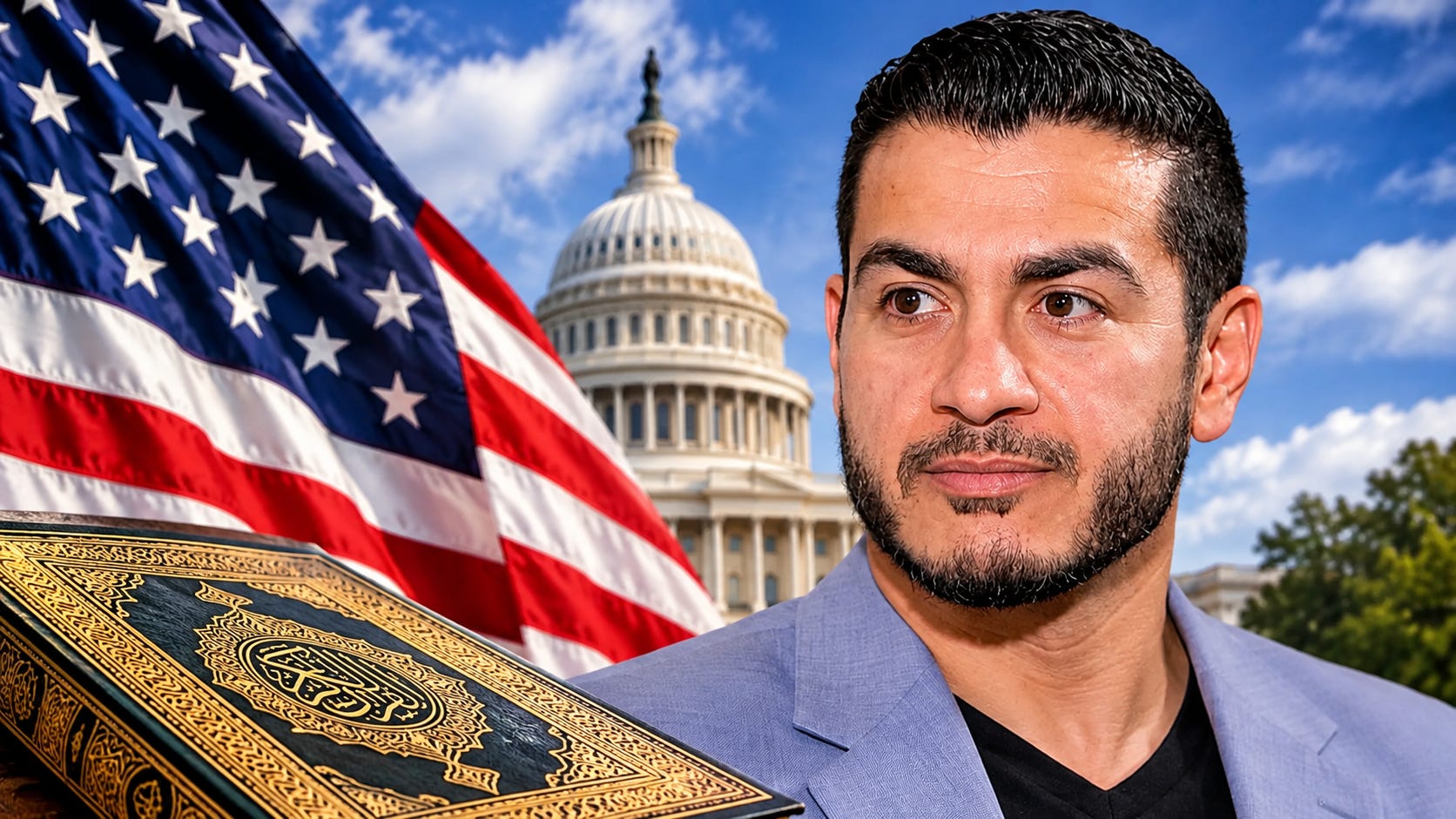
Michigan Senator-elect Abdulrahman El-Sayed is preparing to be sworn in on, not a Bible, but a Koran—marking a historic first for a Muslim U.S. senator.
This is raising some questions and concerns among Americans. And yet, perhaps the most critical observation remains overlooked: Can a self-professed Muslim be sworn in at all to defend the U.S. Constitution?
This question is easily answered by looking at an even more basic question: what does Islam say about Muslims who wish to take the Oath of Allegiance to the U.S.—which all naturalized citizens of the United States are required to take? After all, if Muslims cannot sincerely swear allegiance to the U.S.—which is the demonstrable contention of this article—surely expecting them to enforce and defend its Constitution is a foregone conclusion?
Because this is a critically important question, in what follows, we go through the Oath of Allegiance, line by line, comparing its demands on Muslims seeking to be U.S. citizens, with sharia’s demands on Muslims seeking to be, well, Muslims—they who surrender to the will of Allah.
The findings are unsettling, to say the least.
Continue reading below.
If you value unflinching, historically grounded analysis that mainstream outlets soften or ignore, consider upgrading. Paid subscribers get:
**Several new, full-length articles every week.**Carefully researched pieces you won’t find elsewhere.
Full access to the complete premium archiveArchive of in-depth writing, research, and commentary — all in one place.
Entry into the subscriber chatA private space for serious readers and thoughtful discussion.