This is Day 2 of my free series, 75 Days of Media Literacy.
Literacy is a lifelong effort, but have you ever thought about tallying the kinds of literacy you have? When we talk about literacy, we often focus on text. Can you understand these two sentences? That's certainly a good baseline for English language literacy. In written English, many writers add rhetorical tools like foreshadowing. When I said, " We often focus on text your mind likely went to So what else is there? Being able to pick up on rhetorical elements in text is incredibly helpful for going beyond just the words to the deeper meaning.
The more you read by a single author, the better you understand their particular rhetorical style. Similarly, the more you read of a particular field, the better you are at seeing the writers, biases, and point of view. But reading broadly gives you different vantage points onto text. If you also read film studies, for example, you might wonder if I employed the phrase “vantage point” as foreshadowing.
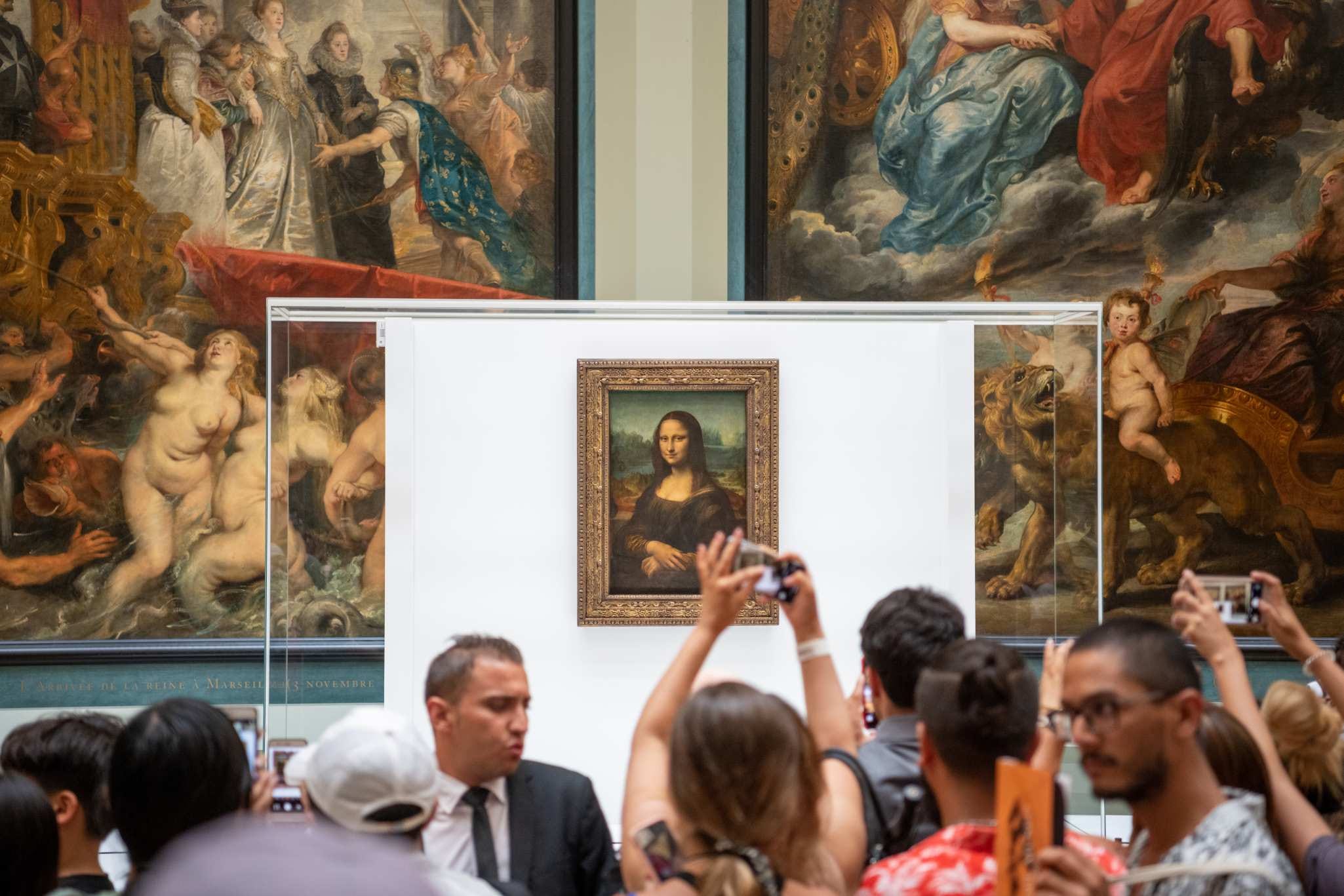
Many of the ways I described understanding written text can be applied to visual imagery. You can understand art by looking at works by the same artist together. Does this work seem similar to what they usually do? Seeing art from the same time. Can also offer insight. Is this artist similar to others working at that time? But even if you’re unfamiliar with the artist or the time. The most important element in understanding an artwork is to look at it. While this may seem obvious, many people first start with the label. They spend most of their day reading and writing so they feel more comfortable. But if you start with the image, you will jumpstart your media literacy. If you are in a gallery with a real artwork, I invite you to move closer, then step back and look from afar. Please don’t get too close and don’t knock into anyone. Looking very closely at art is particularly easy in the digital venue. No guard is harmed when you zoom in on that Rembrandt. After you spend some time looking at it, then read the label. How does that change what you assumed the work was about? Does the label feel like it fits the artwork? What would you have called this artwork?
Vantage point is being in a position to survey something, either visually or metaphorically. By looking at art from many vantage points, you can assess what is apparent. But then, after gaining some information, you can metaphorically return to a new vantage point and understand the work. This is truly the central lesson in getting better at understanding visual imagery. Start with what you see and think and build from there.