This is Day 1 of my free series, 75 Days of Media Literacy.
When we talk about media literacy, what does “media” mean in that phrase? In spoken English, we often use “media” to mean the people who bring us the news. When combined with the word mass, as in mass media, the term means ideas spread to a group of people through TV, radio, online, or print. But mass media is not just factual information. Movies regularly engage the masses: a film is a form of mass media.
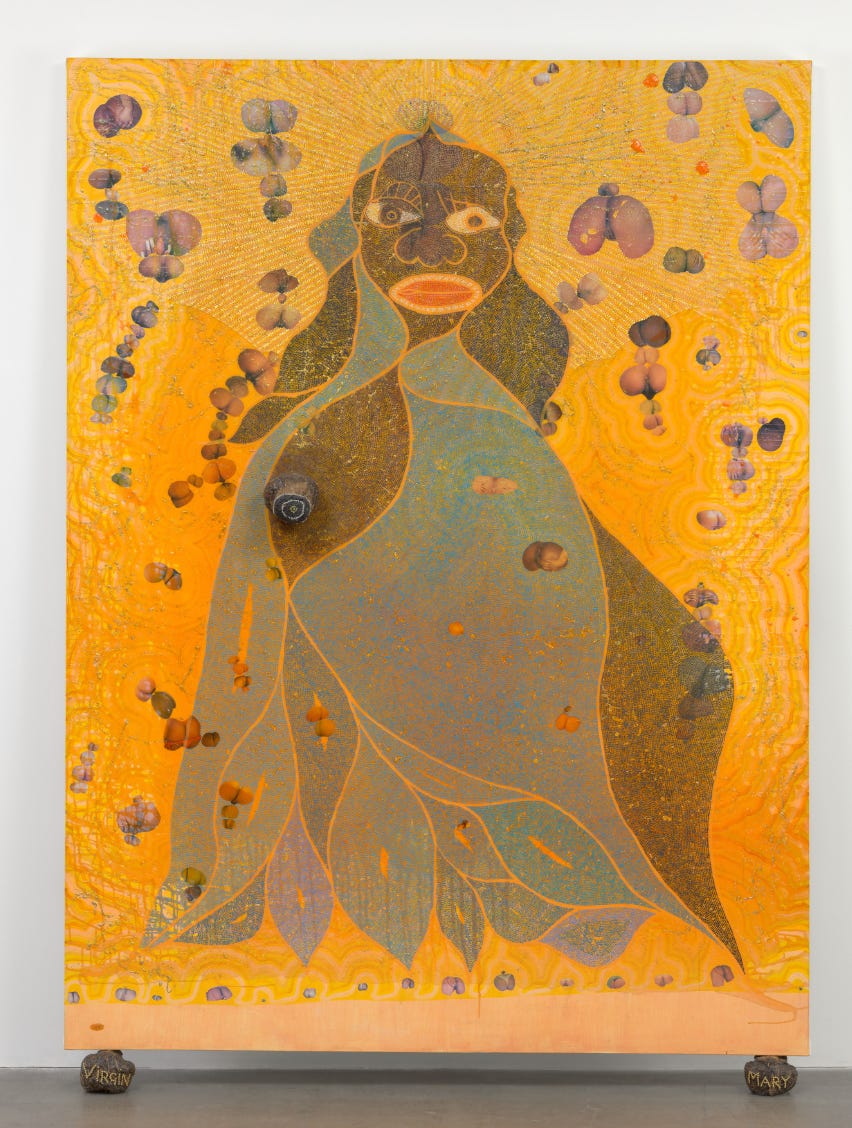
Media is a tool of communication. In art museums next to an artwork, you often see labels that include the title, the artist, and the media, how something is produced matters so much to understanding the artwork that it inevitably appears on the wall next to it. Sadly, though, we often ignore the importance of the communication form.
Take this short essay, for example. My videos have a much larger following than my writing. But I spend considerably more time agonizing over my Substack topics. I choose each word carefully; I consider each sentence. In this medium, I hope to engage people more deeply because I can communicate more precisely in text. From my goal statement, you can see that I chose this medium based on both my goal and my facility.
The English word media is the plural of medium, coming from the Latin root medius, meaning “in the center.” When I try to understand any creative product, I focus on the central method they’ve chosen to get their idea out there. Every medium has its drawbacks. My writing, for example, can be wordy and employ arcane words. While I strive for clarity, I sometimes obfuscate the point. By contrast, I taught for two decades, so I can speak succinctly and articulate. Another word derived from medius, mediate, helps us understand why creatives choose a particular method. In text, my personality doesn’t mediate my point as much as it does in spoken videos. Persuasive spoken language often leads people to agree without taking the time to validate the issues at hand. Text lets me lay out an argument so you can consider it for yourself. Again, in my videos, you should see that I choose the media carefully for its purpose.
When we ignore media choices, we often miss the meaning. Advertising is a particularly pernicious employer of media to sway. When you see the same campaign used across different media, ask how it differs in each situation, and take a moment to compare how the message is tailored to each medium.
When the same film is advertised across media, on a billboard and in a trailer, it can feel like they’re advertising different films. Why? Because advertisers often choose ads to meet the specific audience. Drivers in one part of town might want a thriller, while people who see the trailer before a comedy want something similar. To return to the original meaning (the middle), media bridges the audience and the film.
As you look around you today, question why certain media are employed. Why did they choose a photograph for this ad? Why did they pick stop motion for that one? Why is this sign line drawings? Why is that sign dayglo colored?