Hello, MC360 Community!
Have you given up coffee because of MCAS?
If so, we totally understand. For years, many on our team thought coffee was off the table, too.
But what we’ve learned is that often times it’s not coffee itself. It’s the quality and hidden contaminants behind reactions.
And when you find the right coffee, it can actually support your liver and gallbladder health in ways that really matter when you’re dealing with Mast Cell Activation Syndrome.
🌟Last Chance to Save!🌟
Get 30% off your first Purity Coffee order today only! Use code MASTCELL360 to save
This post is for informational purposes only. To read our full disclaimer, please scroll to the bottom of this post.
Many people with MCAS also have impaired detoxification.
And if you have MCAS, there’s a good chance Mold Toxicity is one of your root causes. In our clinic, it’s the number one trigger we see.
When toxins accumulate, your liver bears the burden of processing and eliminating them. But with clogged up or under supported detox, your liver struggles and toxins often continue to get recycled and build up.
Giving your liver a little love and support can go a long way!
Studies show that coffee drinkers tend to have healthier livers and less inflammation. In fact, one large study found that all types of coffee (even decaf) helped protect the liver in people with chronic liver disease.
So, what makes coffee so supportive for the liver?
Bile flowto carry waste out of your systemAntioxidantsto protect cells from damage
Quality coffee delivers both! Let’s take a closer look.
Coffee contains compounds that help your liver do its job:
Chlorogenic acids– The main antioxidants in coffee! These reduce oxidative stress and specifically support metabolism. They are also broken down in your gut into compounds like ferulic acid, which are also antioxidants.Caffeine(if tolerated) – Stimulates bile flow from your liver and gallbladder, helping your body eliminate metabolic waste. Caffeine is a mast cell trigger, so many people don’t tolerate it until much later (if at all).Antioxidants– Coffee is packed with them. They fight inflammation and protect your brain, nerve, and liver cells from stress.
But most coffee is loaded with mold and toxins.
If you’re reacting to coffee, it might not be the coffee itself. It could be:
Mold– found in 19 out of 23 green coffees testedMycotoxins– like ochratoxin A and aflatoxin B-1Fermentation– which raises histamine levelsPesticides– 97% of coffee beans worldwide are treated with chemicals
When you’re already dealing with MCAS, these contaminants add to your toxin load instead of helping you detox. And often contribute directly to flares.
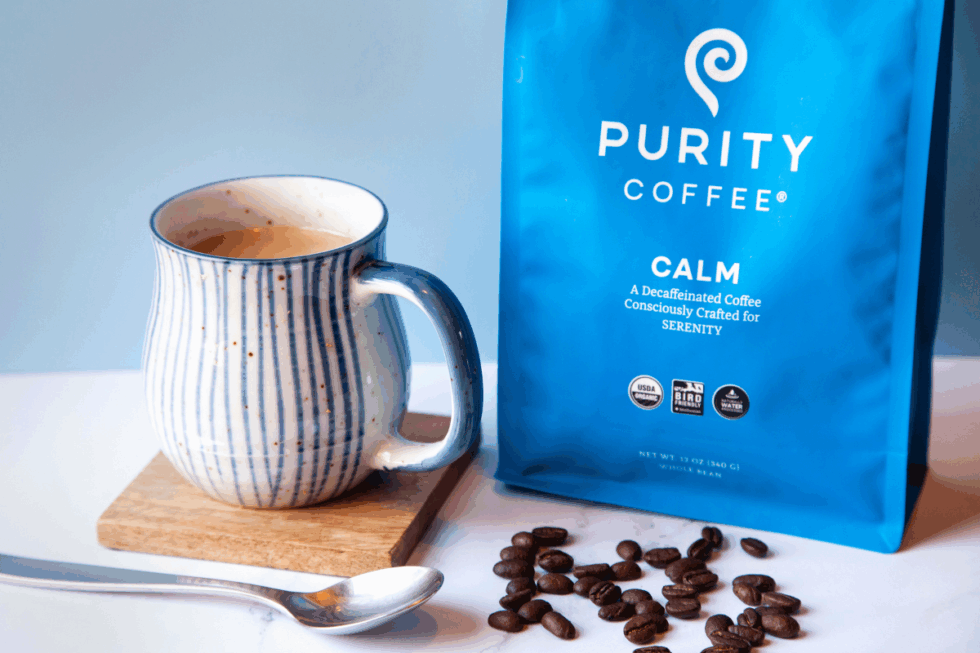
This is why we recommend Purity Coffee. It’s the only coffee we trust personally and for sensitive clients.
Purity Coffee is:
Triple-tested for mold, pesticides, and toxins
Not fermented (so it stays low histamine)
Organic and specially processed to keep antioxidants high
Available in 99.9% decaf (using the Swiss Water Process, no harsh chemicals that also trigger mast cells)
We especially love their CALM: Decaf. It’s the lowest-histamine, lowest-salicylate option. Perfect if you’re just starting out or highly sensitive.
Some of our clients use coffee enemas to support liver detox and bile flow.
Coffee enemas can activate the parasympathetic nervous system (think vagal nerve support) and help stimulate the liver’s detox pathways in a way that drinking coffee doesn’t.
Not everyone needs to do them. But if you’re further along in your healing and looking for additional liver support, they might be worth exploring with your practitioner.
Living with MCAS is hard. And it can feel like you’ve had to give up a lot.
Keeping a few of life’s little joys matters.
For many people, coffee is one of those joys. The ritual of brewing. The warmth of the mug in your hands. The first sip in the morning.
If you’ve had to give it up, we understand the loss. And if you’ve been missing it, you might not have to anymore.
With the right coffee at the right time, you can bring back that small comfort and support your healing at the same time.
If you’ve been missing coffee, or if you’re looking for gentle liver support that doesn’t require another supplement, quality coffee might be worth revisiting.
Here are a few tips for trying coffee if it’s been a while:
**Use clean coffee.**If your coffee is moldy or contaminated with chemicals, you’ll add to your toxin load instead of supporting your body.**Start with decaf.**Caffeine triggers reactions in many people with MCAS. Purity’s CALM is both decaffeinated and low salicylate.**Start when you are ready.**If you’re still struggling to stabilize, losing foods, and in frequent (or constant) flares, this probably isn’t the time to try coffee. But if you’ve reached a point where you can tolerate some support and you’re slowly expanding your diet again, coffee might be worth reconsidering! You don’t need to be perfect, just stable enough to have a little room to experiment.**Start low and slow.**Try a single sip when you reintroduce it. Or dilute a teaspoon in hot water and take just one sip. If that goes well, try another sip in 3-4 days.**Tip:**Freezing coffee in ice cube trays makes it easy to have small amounts on hand while you work up.
**Listen to your body.**Not everyone needs to go this slow. What matters is being able to introduce your new thing (coffee in this case) without a significant rise in symptoms. Go at your own pace.
Start with decaf. Go slow. And choose clean, tested coffee like Purity.
Your liver and tastebuds will thank you.
[TODAY ONLY Get 30% off your first Purity Coffee order!]
Use code MASTCELL360 to save
Together in Healing,The Mast Cell 360 Team
P.S. Want to try Purity Coffee? Use code MASTCELL360 for 30% off your first order at mastcell360.com/puritycoffee
We recommend starting with CALM: Decaf
And whether you like your coffee warm or cold, here are a few recipes you can try:
We’re grateful for this community, whether you’re free or paid.
Questions? Email support@mastcell360.com
Kennedy, O.J., Fallowfield, J.A., Poole, R. et al. All coffee types decrease the risk of adverse clinical outcomes in chronic liver disease: a UK Biobank study. BMC Public Health 21, 970 (2021). https://doi.org/10.1186/s12889-021-10991-7
Hwang, S. J., Kim, Y.-W., Park, Y., Lee, H.-J., & Kim, K.-W. (2013). Anti-inflammatory effects of chlorogenic acid in lipopolysaccharide-stimulated raw 264.7 cells. Inflammation Research, 63(1), 81–90. https://doi.org/10.1007/s00011-013-0674-4
Nuhu, A. A. (2014). Bioactive micronutrients in coffee: Recent analytical approaches for characterization and quantification. ISRN Nutrition, 2014, 1–13. https://doi.org/10.1155/2014/384230
It’s important you know that Mast Cell 360 resources are for informational and educational purposes. Mast Cell 360 does not diagnose, treat, cure, or prescribe for any disease or medical condition. Recommendations are based on the opinion of Mast Cell 360 and are not meant to replace the care of a medical practitioner. Always consult your physician before changing your healthcare regimen. Supplements/products mentioned are not designed to treat, cure, or prevent any disease or medical condition. And these statements have not been evaluated by the Food and Drug Administration.Some links may be affiliate links, which means we may make a very small commission if you purchase through the link. It never costs you any more to purchase through the links, and we try to find the best deals we can. We only recommend products that we love and use personally or use in our practice. Any commissions help support the newsletter, website, and ongoing research so we can continue to offer you free tips, recipes, and info. Thank you for your support!