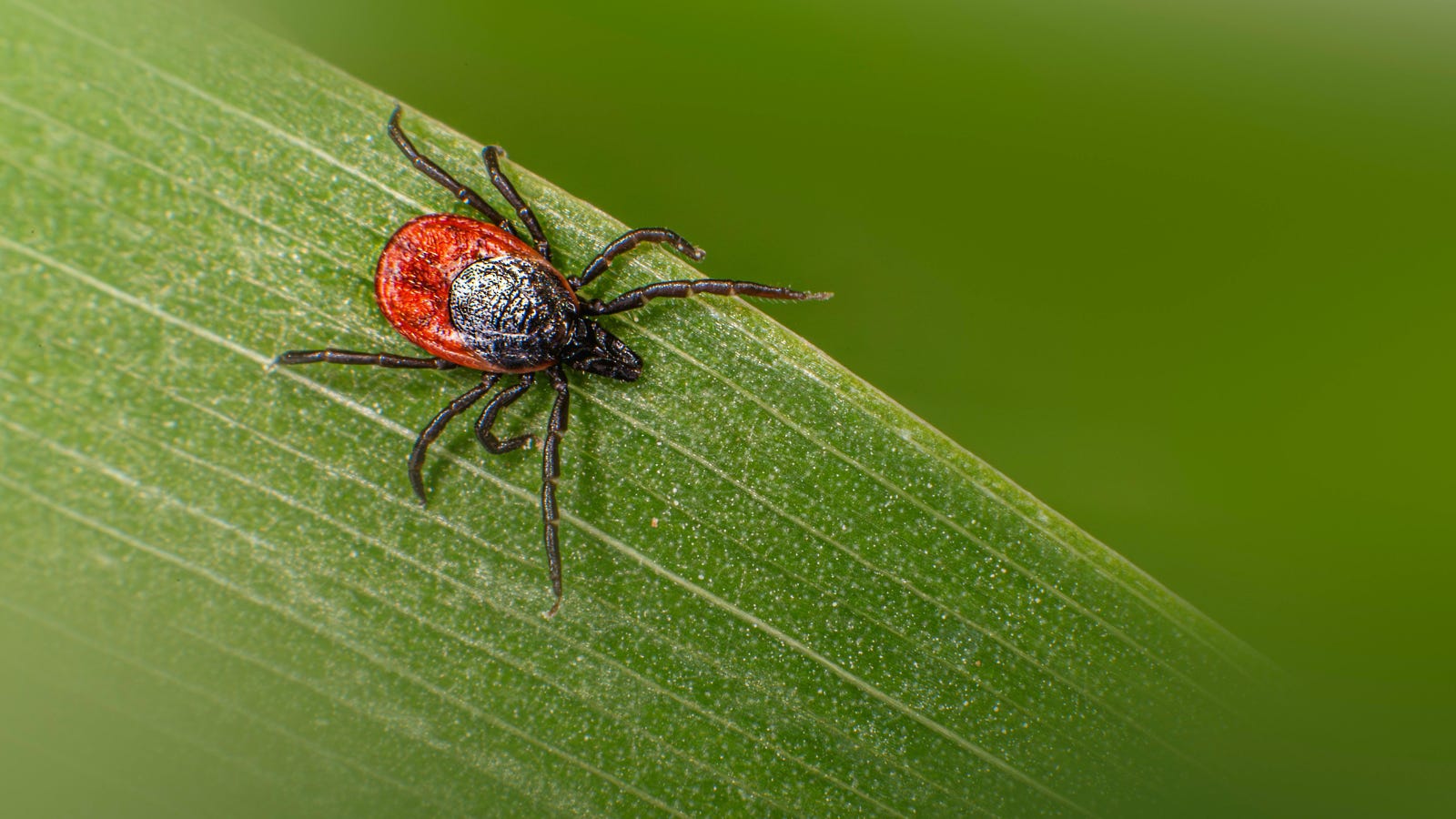
State researchers launched a study of Alpha-gal Syndrome, a tick-borne red meat allergy, as lone star ticks spread across Connecticut
Lone star ticks, first detected in Connecticut in 2017, have since spread from the shoreline into eastern counties
Little data exists on the syndrome’s prevalence in Connecticut, though neighboring states have reported rising case counts
As lone star ticks, a species linked to Alpha-gal Syndrome, spread across Connecticut and New England, state researchers launched a project to measure how widespread the syndrome has become in Connecticut.
In recent years, the number of lone star ticks collected and tracked in Connecticut surged, going from 2% of ticks in the state to 24% from 2024 to 2025, Stamford Health reported. As lone star ticks can carry Alpha-gal Syndrome, which effectively creates an allergic reaction to red meat and products made from animals, this is a serious health concern.
By July 1, tick-related visits to emergency departments in the Northeast had already surpassed the total for all of 2025.
As a result, the Connecticut Agricultural Experiment Station and Yale School of Medicine are studying the prevalence of Alpha-gal Syndrome in Connecticut, noting that lone star ticks were first noticed in the state in 2017, were in Fairfield and New Haven counties by 2020 and have since spread to Middlesex and New London counties as well.
CAES and Yale said little information was available about the syndrome’s prevalence in the Northeast, particularly in Connecticut. Data from neighboring states pointed to rising numbers, the researchers noted: Nearly half of all tests for the syndrome on Martha’s Vineyard in Massachusetts came back positive, while Rhode Island reported 79 cases as lone star ticks expanded from 11 to 27 ZIP codes in the state in three years.
As many as 450,000 people nationwide may be affected by the condition, with more than 110,000 suspected cases identified from 2010 to 2022, according to the Centers for Disease Control and Prevention.
Until the study’s findings are available, Stamford Health recommended precautions against tick bites, including wearing long sleeves outdoors and using insect repellent. Anyone bitten by a tick should remove it by pulling upward with tweezers and monitor for symptoms, Stamford Health advised.
You can also send ticks to the CAES for testing with information here.