With Anne Carson winning the Nobel Prize, I was looking back at her quotes. She said If you are not the free person you want to be, you must find a place to tell the truth about that.” We live in a world of artifice, with the proliferation of documentation; rather than creating a more truthful world, we’ve built tools that lie extremely effectively. You could produce a video in minutes that would make me say the opposite of anything I’ve ever said online.
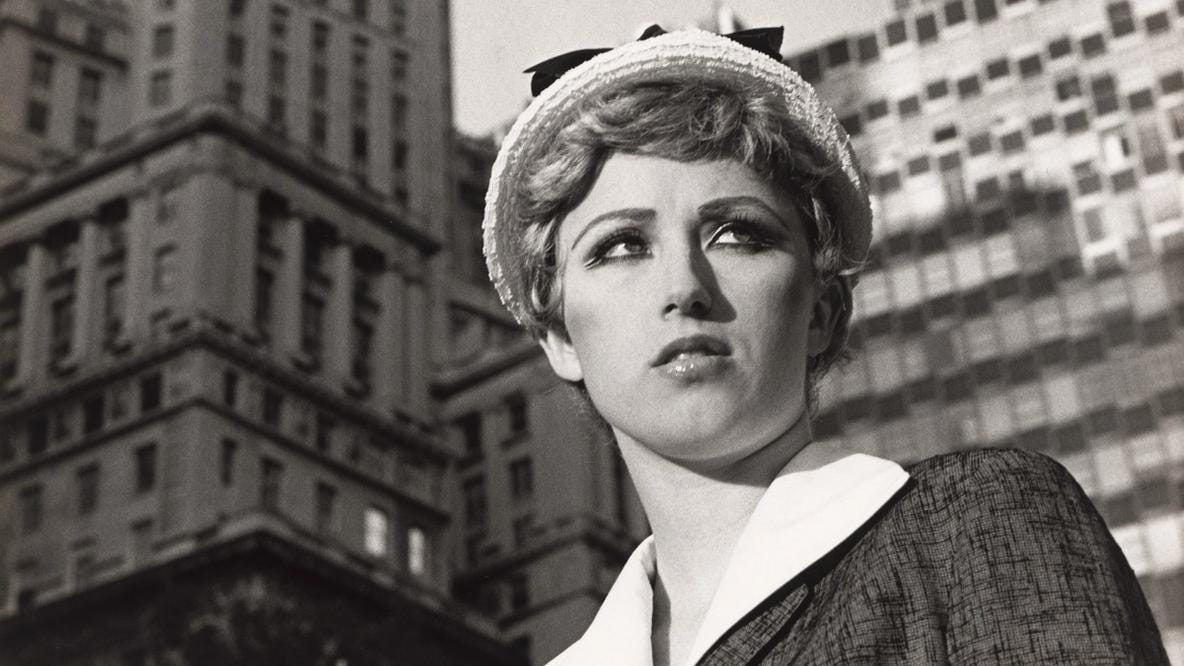
Artifice as a mask of self has long roots. While I’m sure people used verbal masking, some of our earliest documented forms are in adornment. The beauty industry dates back to ancient times. The Mycenaeans and the ancient Egyptians definitely purchased materials to adorn their faces. We often frame these tools as associated with faith, but people think they didn’t add their wigs or red dots as a type of armor.
I mentioned the beauty industry because many people believe art is all about decoration. In a way, demanding that art show only the sweetest moments is admitting you don’t have an appetite for challenging ideas. A balanced intellectual meal requires facing challenging ideas.
Many years ago, I cataloged a box of donated photographs, many of which documented murders. Looking at the photographs was revolting. To write an object report, you have to check the surface, i.e., look very closely at the object at hand. I couldn’t look away. But reflecting on that very long week of checking the condition of these photographs, I was struck by how much I have allowed myself to be separated from the violence that is our society. While I pride myself on being informed, I had to remind myself that I choose what I'm informed about. It was a simple and, in hindsight, obvious reflection. But I certainly wouldn’t have had it if I hadn’t looked at those artworks.
The type of art that makes me think most is non-representational. When I let my brain focus on the surface of a work, say Lee Krasner's celebration, it feels almost like I am wholly in the moment. If I push myself to slow down and trace all the marks Krasner made with my eyes, I can feel my breath slow. If I then push myself to slow down further, I can be pleasantly in a moment of inaction. After all that, when I finally start walking around the galleries again, my ideas are different. The tenor is more introspective. Art can be that reset computers need when you turn them off and turn them on.
In these moments, when we reset ourselves, we can take stock of the lies we tell. Truth while useful can feel detrimental. What truths do you not tell yourself? I’ll use myself as an example. I cover my gray. I like how my face looks with dark hair. But I’m not ready to see my face framed by something that feels old. Those three sentences are different levels of truth. It’s OK to use lies to build the armor you need to live your life. But find ways to help you tell yourself more truth.