This is part of my series—75 Days of Media Literacy
With daylight saving time, I find myself a bit out of sorts. Mornings are pleasantly morning-like, with the light streaming in just as the caffeine hits my bloodstream. But evening darkness is another story. Blackness appears shockingly early. The darkness feels like it’s taking me hostage, hood over head and without warning. While I’m prone to hyperbole, this first week after the clocks change often impacts people adversely.
Changing our clocks twice a year disrupts our body’s internal rhythms and can adversely impact physical and mental well-being. Sleep is the time when our body repairs itself. When we don’t get sound sleep, we’re just a little more physically worn out. This sleep disruption can then impact our mental health. Spring forward is particularly impactful. Losing an hour of sleep is linked to a statistically significant, temporary spike in heart attacks. Sleep disruption can also cause a spike in automobile accidents due to sleepy drivers.
There is also a mental health toll, in that your body feels like time is one thing and your clock another. Since the advent of short social media videos, more and more of us have become aware of how confusing missing dinners are to cats and dogs. They don’t generally own timepieces, but they certainly know dinner time. (I would love to think of my cat pulling out a pocket watch from a little tweed vest).
I often set aside a chunk of time to work, so I don’t need to be somewhere immediately. With these luxurious half-days, I use the bright sky or my hunger. Sometimes as I’m listening to a book or podcast for research, I just wonder at the colored leaves in these last moments of autumn.
One of my biggest mental shifts in college came from a class that helped us break down how society's constructs frame our thoughts. We started by reading about society before and after clocks. Until then, I’d never quite understood how much the hour was man-made. I have a fair bit of time blindness, so sticking to a clock has always been a challenge. In that class, I started to see that maybe my ancestors didn't need an hourly measure. I then spent years living by the clock—phone notifications pinging over and over. I started pushing myself to write more words per hour, per week. I even picked up extra money as a transcriptionist, measured by words per hour.
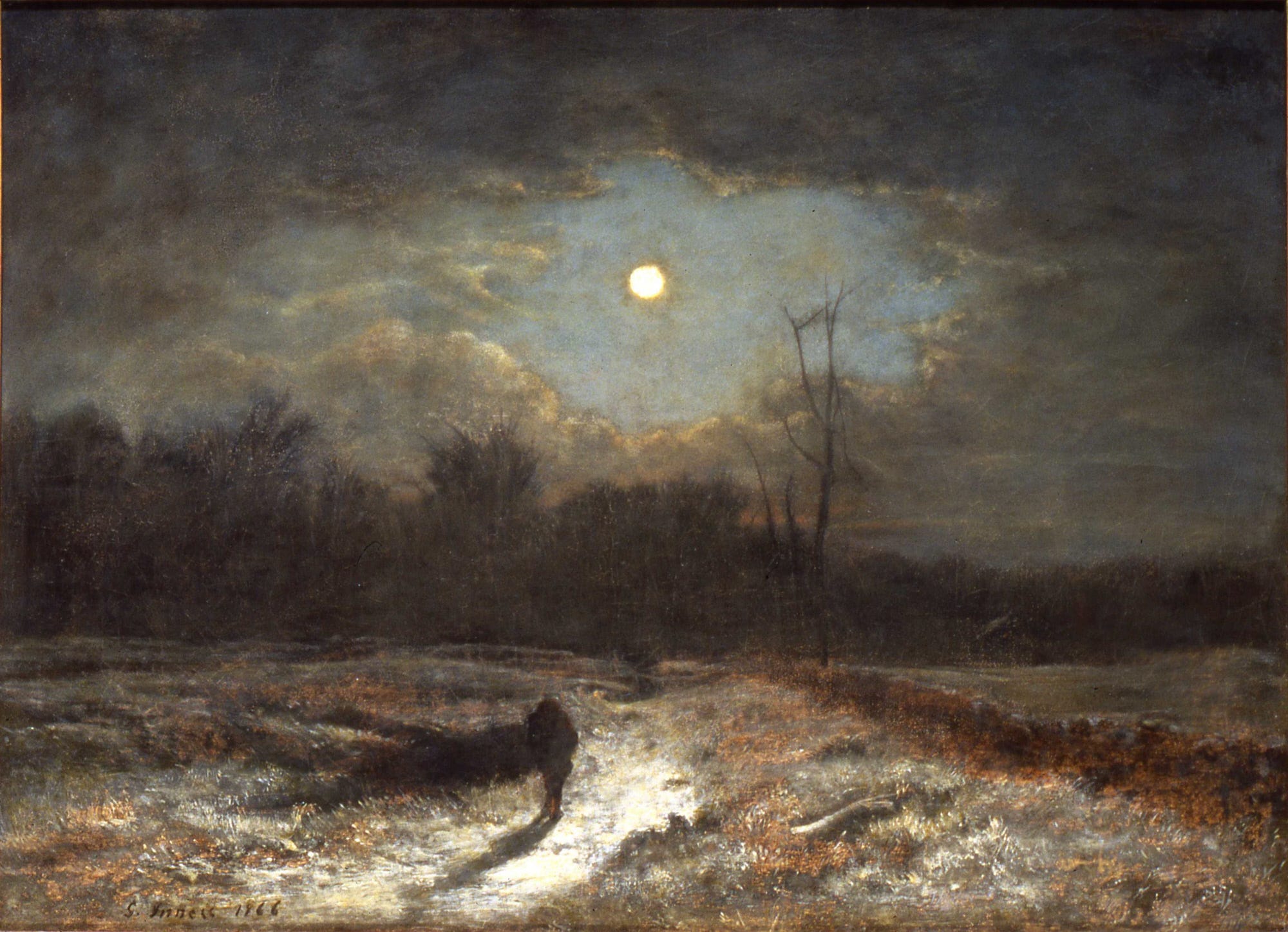
On the other hand, I was working in the galleries, helping people slow down their minds with art. We’d stand in front of a landscape and invite people to look for ten minutes. They’d start wiggling around after 2 minutes (and this was before algorithmic social media). By ten minutes, they were dying to do something different. But when they shared, they often seemed to surprise themselves with their ideas, as if their consciousness hadn’t made itself obvious until they spoke.
This year, as I sit with attempting to understand my own feelings about media and media literacy, I’ve been reflecting on the cruelty of days that are broken into hours. The tick-tock that rules many of our minds is then just randomly switched. As you think about how you think about something, like an artwork, set yourself a clock. How does your body feel when you look quietly for 30 seconds or five minutes? What do you notice about the work of art? What do you notice about your mindset?