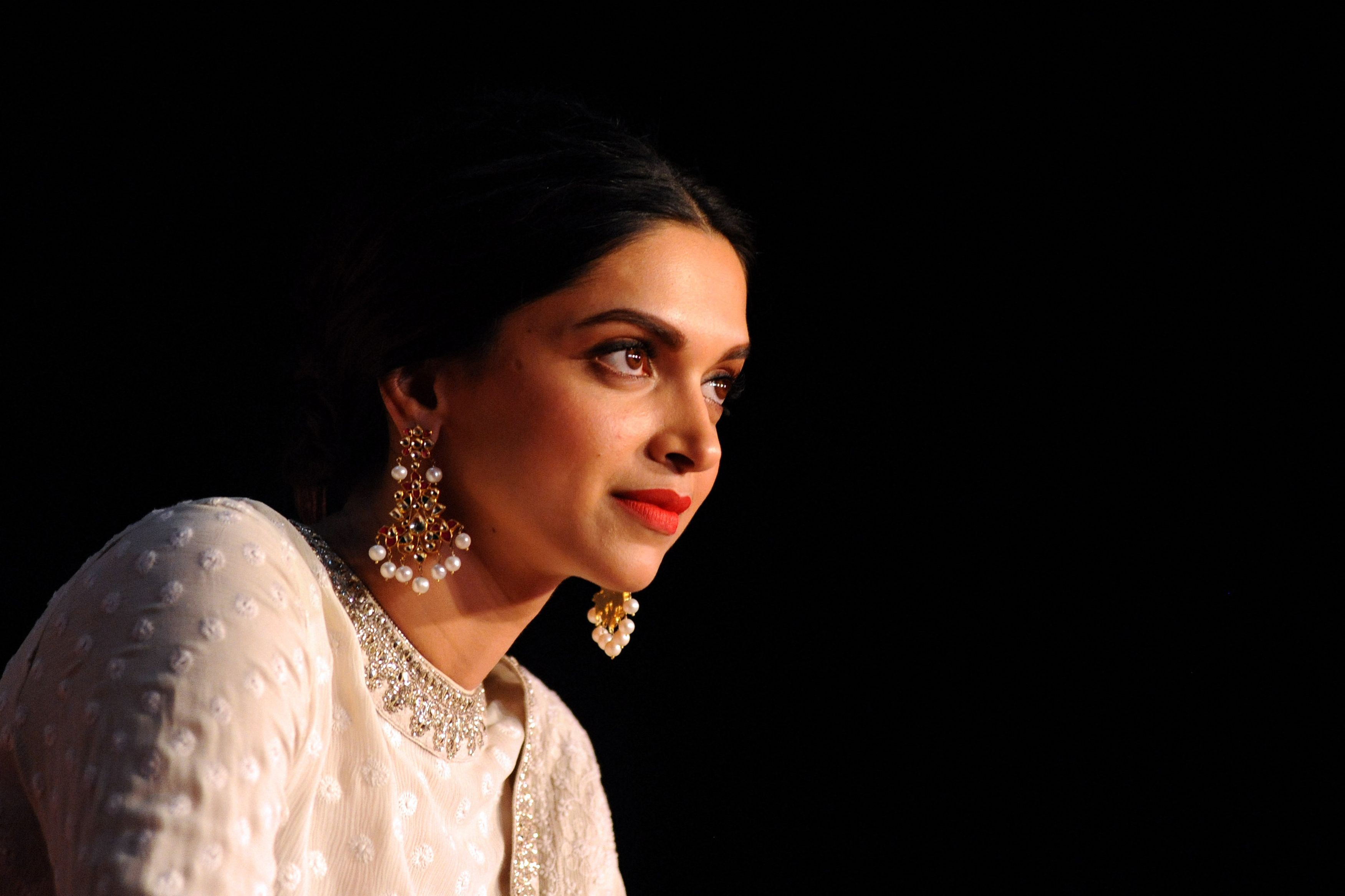
Deepika Padukone has not had a theatrical release since 2024, but the actor continues to dominate headlines. This time, she is back in the news after Spirit producer Pranay Vanga spoke about the reasons behind her exit from the film. While he cited several factors, one detail particularly caught attention: her demand for a 10% share of the film’s profits. The horror!
Pranay’s comments have once again brought the conversation back to the difference in remuneration between male and female actors, their ability to sell tickets, and how Bollywood’s biggest stars structure their fees. Superstars such as Shah Rukh Khan, Aamir Khan and Akshay Kumar have openly spoken about profit-sharing models and how they have worked for them over the years. In a 2018 media interaction, Aamir spoke about the same and how he takes ‘a higher percentage of the profits’ as he risks his time on the film.Only male superstars can fill theatre seats?
And that is the point worth examining. Producers have, for years, been willing to let some of the industry’s biggest superstars take a share of their profits. Why? Because they believe these actors’ faces can bring audiences to theatres. A superstar’s value, therefore, is not simply calculated by the number written on their fee cheque. It is also calculated by the audience they can potentially bring to a film.
More importantly, producers have often agreed to such arrangements even when male superstars have gone through periods of delivering back-to-back disappointments. Their star power does not necessarily become irrelevant after a few failures.
There is, of course, another argument. Male superstars often command enormous upfront fees, which producers may not want to shoulder before a film even releases. Profit sharing then becomes a middle ground: the actor takes a smaller upfront fee, or sometimes no upfront fee, but receives a percentage of the profits if the film succeeds. In theory, it can align the interests of both the actor and the producer.
And this is where the Deepika debate becomes interesting. If profit sharing is considered a legitimate remuneration model for male superstars, why should it suddenly become controversial when a female superstar asks for it? Or do producers believe that a female superstar can’t charge as much as their male counterparts?
Deepika Padukone is not a newcomer trying to establish her box-office credibility. She is one of the biggest female stars in the Hindi film industry, is the face of several international luxury brands and has represented India on global platforms, including international film festivals. Her career milestones have placed her among the country’s most recognisable contemporary actors.
Are female stars easier to call out?
“Once we started looking for other options, they started leaking everything,” Pranay said in his statement, accusing Deepika of leaking details about the film. Disagreements between producers and actors are hardly new. But the question is: how often do we see a producer pass judgment in interviews when a male superstar negotiates aggressively or walks away from a project because his demands are not met? Why, then, does it seem easier to call out a female superstar and question her for asking for what she believes she deserves?Too ambitious who?
Male actors have long been applauded for their business acumen. Shah Rukh Khan, in particular, is often called a “shrewd businessman” --- a compliment reserved for a star who knows his worth and turns his stardom into serious money. But when a female superstar does the same, she is suddenly “too ambitious”.
Perhaps, after years of Aishwarya Rai telling women, “You are worth it,” Deepika Padukone is simply taking that advice and refusing to settle for less.