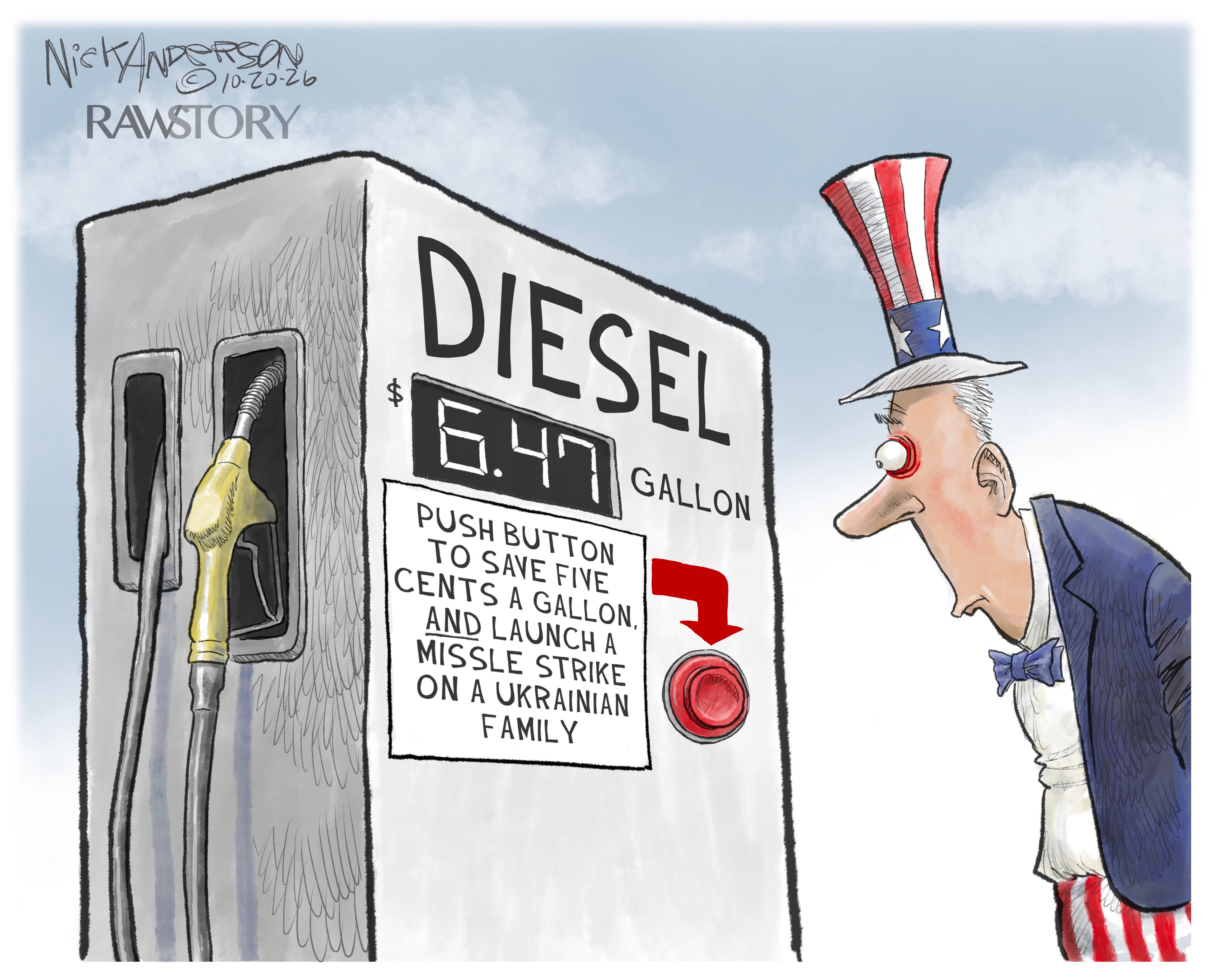
With diesel prices rising rapidly following the U.S.-Israeli war with Iran, Trump announced an agreement to bring Russian diesel into American and global markets. But energy analysts say the deal is unlikely to deliver anything close to the price reductions Trump has promised. The quantities involved are simply too small to substantially affect global diesel markets, and Russia’s own refining and export capacity has been severely constrained.
The consequences for Ukraine, however, could be considerably more serious. By temporarily lifting restrictions on Russian diesel sales, Trump is reopening a source of revenue for a government that continues to wage war against its neighbor. The policy reverses a significant part of the economic pressure Western governments have applied to limit Russia’s ability to finance its military operations.
The central question is whether Americans will see meaningful savings at the pump while Russia gains additional resources—and diplomatic breathing room—to continue a war that has already killed thousands of Ukrainian civilians.
The United States may ultimately receive little more than a symbolic increase in diesel supplies, while Putin gains a diplomatic concession and a less restrictive environment for petroleum exports. For American consumers, the difference at the pump may be measured in pennies, if it materializes at all.
For Ukrainian civilians facing another winter of Russian attacks, the consequences of a prolonged war are measured in destroyed homes, damaged infrastructure and lives lost. The diesel deal’s most consequential effect may not be what it does to fuel prices, but what it allows Russia to keep doing in Ukraine.