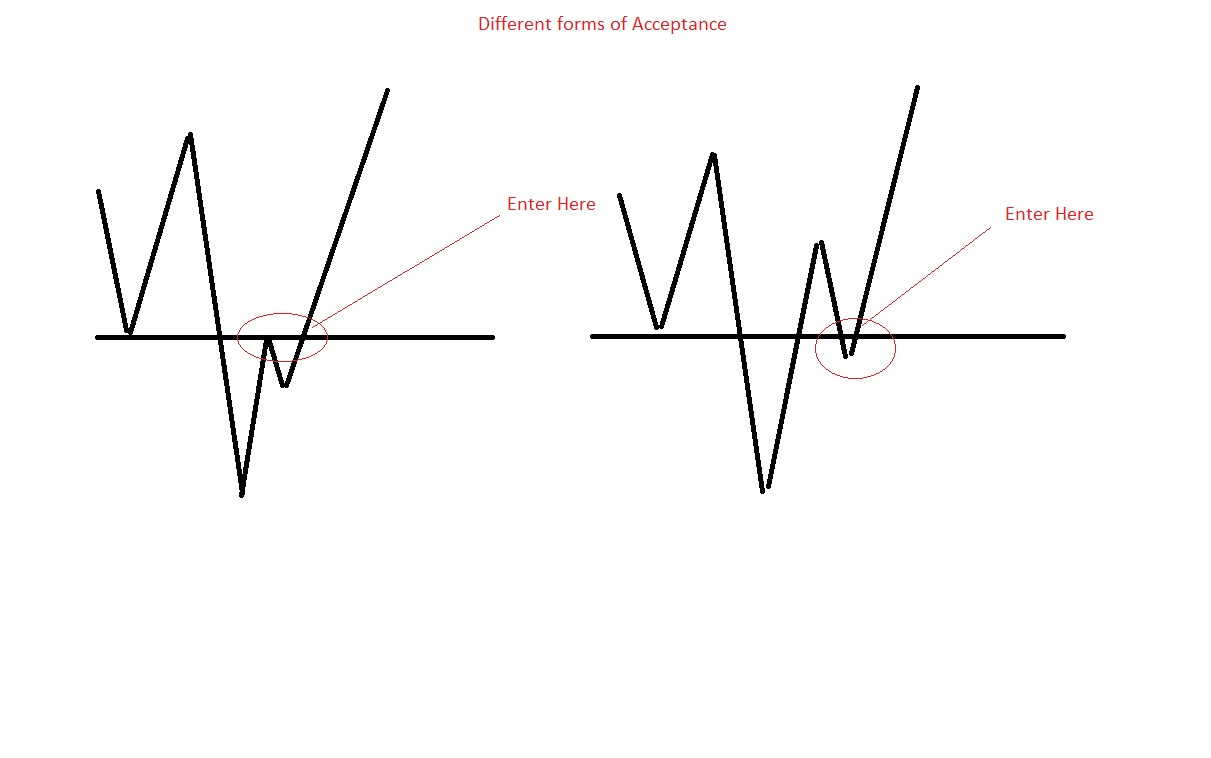
As readers know, the theme for the past several months has been simple: buy the dips. The dips vary in size, speed, duration, and structure, but they all resolve the same way: they get bought and ES fails to sell linearly lower. **We saw this as the mid-term results rolled in. ES sold 140 points into 7490 at 10pm going *** elevator down *and then we ripped 200 points into this morning.
How do bulls buy dips in ES? As I frequently discuss, nearly all major rallies in ES begin with Failed Breakdowns because Failed Breakdowns are how institutions accumulate. Institutions tend to accumulate when ES flushes hard and goes elevator down. A elevator down sell refers to a multi-hour window where every support fails. After this ES puts in a Failed Breakdown—losing, then recovering, a major previously established low. In doing so, institutions are able to trap shorts that are chasing the move, use them as liquidity, and then drive price sharply in the opposite direction once the low is recovered. This process is often correlated with an external headline shock, as institutions love to use headlines for liquidity to trap shorts. In rarer cases, they—or insiders—may be aware of those headlines in advance. Typically, these elevator down sells are caused by ES losing a big previously established support shelf.
**This is what we saw last evening as discussed above. **ES sold 140 points to 7490 into 10pm as midterm results rolled in. In doing so, ES lost the July 31st 7495 low. By 10:15PM that low recovered for a Failed Breakdown and we went vertical +200. This setup was given to readers when I wrote: “Next zone of interest is 7495. On July 31st we set a massive low here. The Failed Breakdown of this low is actionable.”
I was looking for more upside into today, stating yesterday: “My general lean is we see 7636, react, 7657, then see 7698-7703. Above there we should rip hard to 7739, 7755+.” We ripped to 7739 this morning and this played out to perfection.
Do bulls have more fuel in the tank?
In today’s newsletter, I’ll expand on this, review today’s Failed Breakdowns—which are key to understand—and discuss the actionable plan for tomorrow.