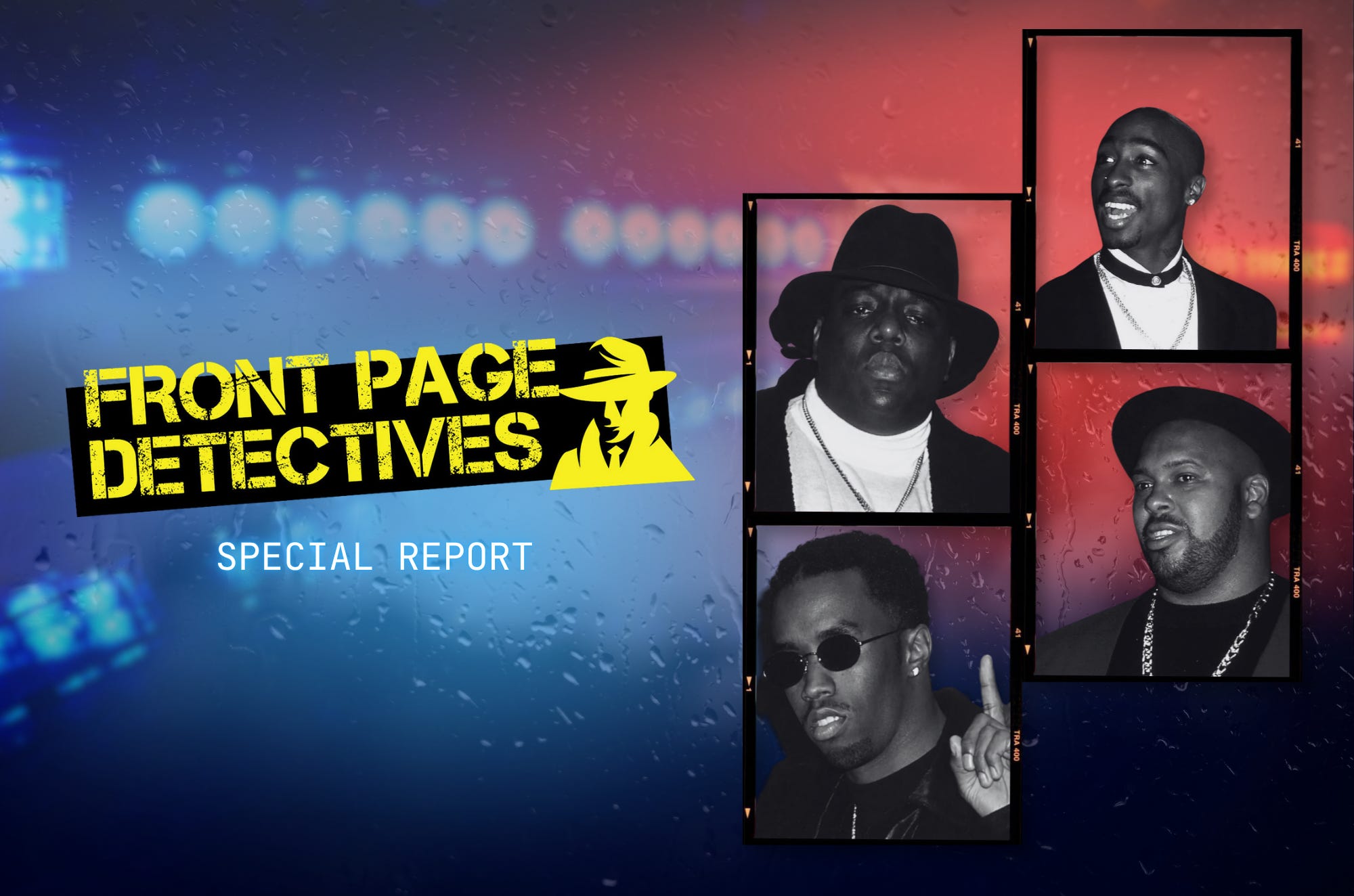
In the middle of the 1990s, America still felt enormous. New York and Los Angeles were separated by nearly 3,000 miles, three time zones and cultures that could feel like different countries, and there was no social media shrinking everything into the same glowing rectangle. A rapper in Brooklyn did not wake up to a hundred clips of something a rival had said in California during the night. Music moved more slowly, through radio, television, record stores, magazines, mixtapes and conversation. Geography mattered, and in hip-hop it mattered more than almost anywhere else.
Place had been written into the music from the beginning. The Bronx was not simply where hip-hop had originated. It formed part of the culture’s creation story. Brooklyn, Queens, Harlem and Staten Island developed identities of their own, just as Compton, Long Beach, South Central Los Angeles and Oakland would on the other side of the country. Rappers announced neighborhoods the way prizefighters announced nations, and where somebody came from could serve as biography, credibility and brand at the same time.
By 1995, that intensely local culture had become one of the biggest businesses in American entertainment. Rap records were selling by the millions. MTV could turn neighborhood slang into something repeated by teenagers thousands of miles away, while magazines such as The Source and Vibe gave the music a national press of its own. Young Black artists and executives who had once been expected to accept whatever established record companies offered were building businesses powerful enough to negotiate on something closer to their own terms.
Hip-hop had always loved competition. MC battled MC, DJ challenged DJ, neighborhoods claimed superiority over other neighborhoods and rappers built careers by explaining why somebody else’s records were terrible. Usually, everyone understood the arena. An insult on wax demanded another record. Boasting was performance, exaggeration belonged to the craft and humiliation could be answered with a better rhyme.
The East Coast-West Coast rivalry became different because several worlds began sharing the same rooms without sharing the same rules. Record executives competed for money, rappers for cultural status and journalists for stories, while fans chose sides because choosing sides was entertaining. Around some of the most successful people in the business, however, were men whose disputes were not settled with another sixteen bars on a remix.
There was never a formal declaration of war, nor one clean moment when everybody involved crossed an agreed line. The change came gradually through insults, misunderstandings, assaults, robberies, shootings and deaths until rap mythology and actual violence became dangerously difficult to separate.
This is the complete story of how the East Coast-West Coast rivalry grew from regional competition into one of the darkest chapters in hip-hop history. Behind the records and public insults were broken friendships, corporate rivalries, gang connections and acts of retaliation that eventually left people dead.