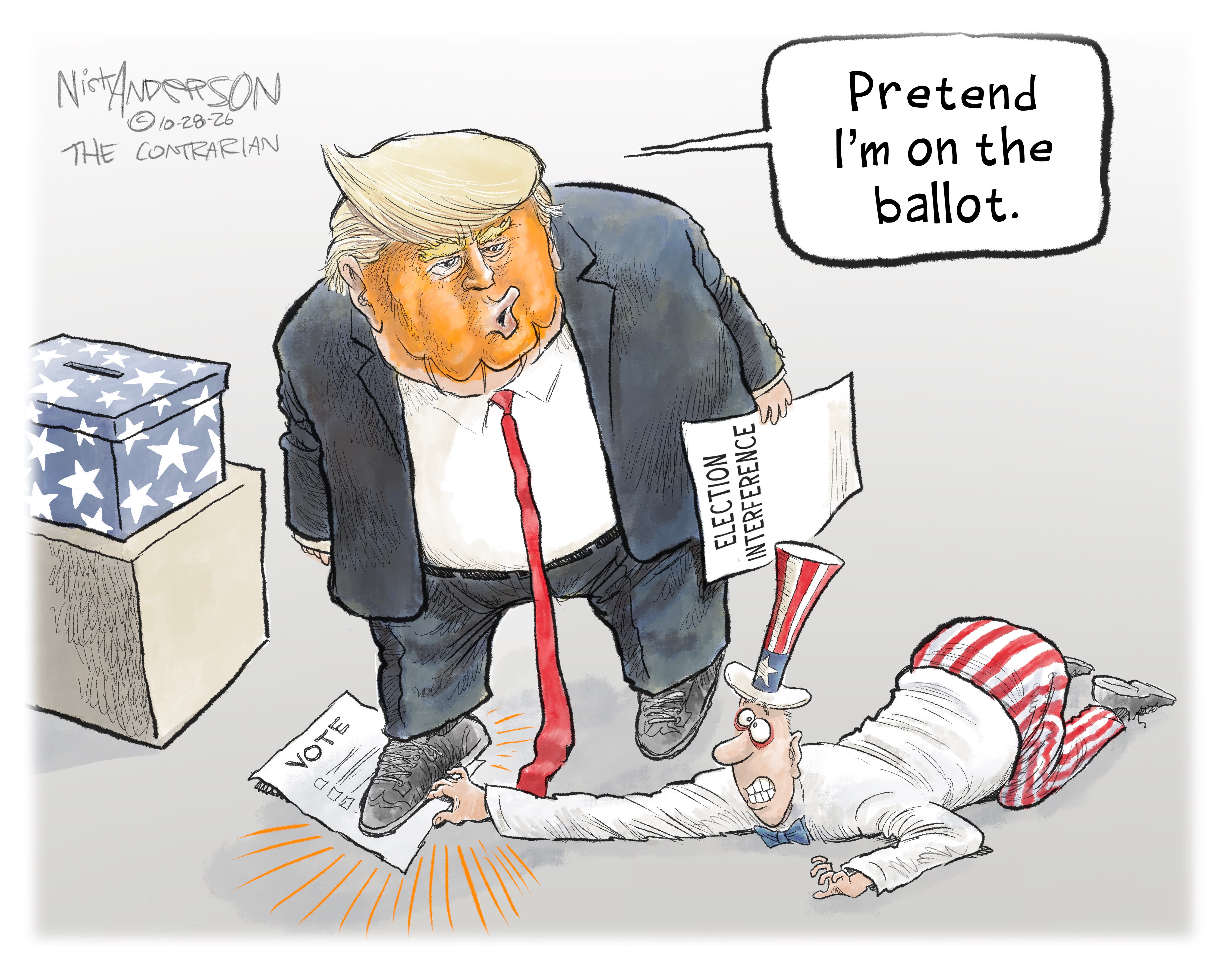
With the November 3 midterm elections just days away, Trump is escalating efforts to influence how votes are cast and counted, raising concerns that his administration is laying the groundwork to challenge results unfavorable to Republicans.
The most alarming developments involve the Justice Department. In California, the administration attempted to block the counting of ballots from more than 20,000 voters it suspected of being noncitizens, without providing convincing evidence of their ineligibility. A federal judge rejected the effort Wednesday, warning that it could disrupt voting and disenfranchise legitimate voters. Similar challenges have emerged in Washington state and Alaska, where the administration has sought to intervene in election procedures as voting is already underway.
Trump has also offered a $1 million reward for information leading to the arrest and conviction of people responsible for election fraud (as long as they’re Democrats, of course), despite the absence of evidence supporting his repeated claims of widespread illegal voting. Meanwhile, his administration has pressed states for voter-registration data and threatened election officials with prosecution. Critics warn that these tactics could intimidate voters and undermine confidence in legitimate election results.
The president has also blurred the line between governing and campaigning. His administration has used taxpayer-funded television advertisements featuring Trump that voting-rights organizations argue constitute illegal electioneering. The ads are now the subject of a federal lawsuit and a Hatch Act complaint.
Perhaps most troubling is what could happen after Election Day. Election experts warn that Trump could use allegations of fraud to justify legal challenges, pressure state officials or attempt to delay certification of unfavorable results. Those scenarios remain hypothetical, and state election officials and federal courts retain substantial authority to resist interference.
The larger concern is that Trump is attempting to turn the federal government’s enormous investigative and legal powers into political weapons during an election that could strip Republicans of congressional control. His administration insists its actions are intended to protect election integrity. But targeting thousands of ballots without substantiated evidence, threatening election officials and repeatedly suggesting widespread fraud before votes are counted risks undermining the very democratic process the president claims to defend.
The question is no longer simply whether Trump will accept the results of an election he dislikes. It’s how far his administration is prepared to go to influence those results before Americans have finished voting.
Sources:
Associated Press — Judge rejects administration’s attempt to segregate California ballotsThe Washington Post — Officials prepare for potential federal election interferenceThe Guardian — Trump offers $1 million election-fraud rewardCampaign Legal Center — Lawsuit challenging taxpayer-funded political advertisements