Growing up, I recall that gambling was largely seen as an addictive and destructive vice that was best avoided and only indulged sparingly and within constraints.
That meant you had to get in a car, drive all the way to Nevada, spend money, lose money, and then come back and vow never to do something that dumb again. It would require you to pick up the phone and place bets with your bookies. You couldn’t engage in sports betting in most states because a federal law had banned the practice. The infamous case of All-Star hitter and prolific gambler Pete Rose was taught as a cautionary tale of how gambling corrupts not only the athlete, but also the industry.
In 2018, the right-wing Supreme Court reviewed this history and decided, “Yeah, let’s strike down this silly ban. States, you go hog wild with gambling. What could go wrong?”
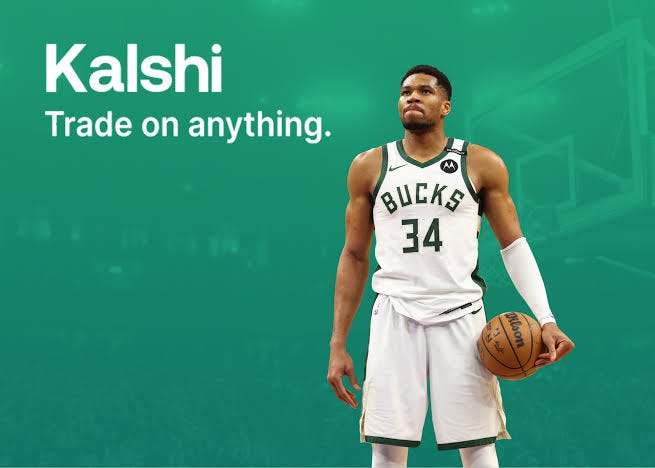
Nearly a decade later, we have our answer in the form of DraftKings, FanDuel, and prediction markets, such as Polymarket and Kalshi. Superstar athletes are now the faces of these online gambling sites that are luring in college students and preying on individuals with a history of losing money. It’s become so normalized that nearly every sports show actively promotes the sites as advertising partners, and commentators discuss their own bets and predictions. Online gambling has now become the main financial investment for young people, who are spending more on the activity than Boomers.
With rising income inequality, flat wages, and unaffordable housing, what could go wrong?
Investigative journalist Danny Funt provides the answer in his book, Everybody Loses: The Tumultuous Rise of American Sports Gambling, which is the first major deep dive into the rapidly expanding online gambling empire that is using AI, superstar athletes, and sports teams to mainstream a devastating hobby that will lead to an increase in suicides, addiction, violence and economic despair.
***Because I’m a terrible capitalist, here’s a great 25% off discount for new paid subscribers. It’ll only be about $3.75/month or $38/year.
There are no paywalls, and The Left Hook continues depending on the kindness of our readers