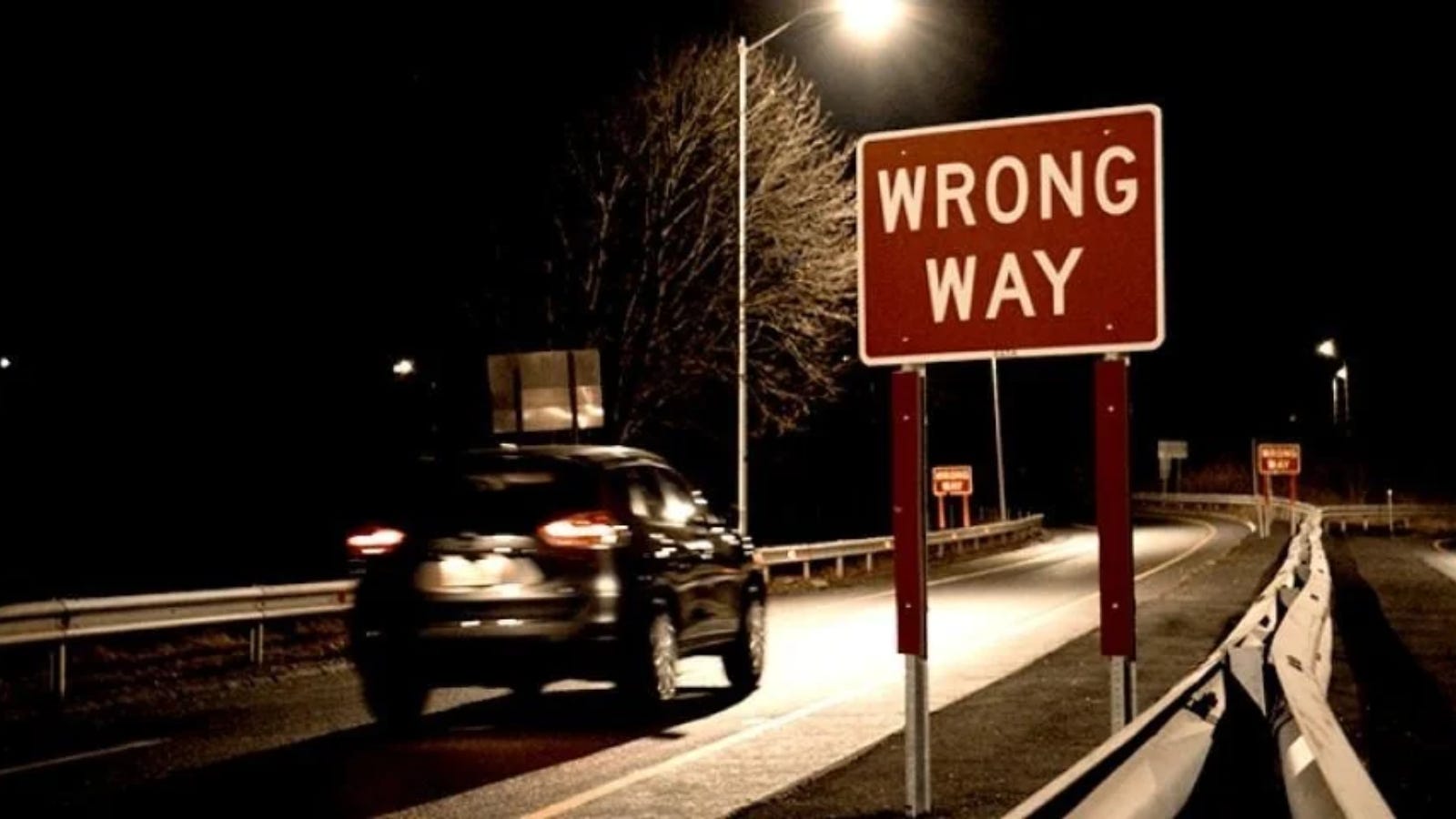
Fatal wrong-way crashes in Connecticut fell sharply after the state installed more than 300 detection systems at highway exit ramps
The systems use lights and alarms to warn drivers, and alert state police and the DOT when a driver keeps going
The DOT planned to keep expanding the program and add other safety measures
Six years after Connecticut started its first pilot program to install wrong-way driving detection systems at highway exit ramps across the state, wrong-way driving crashes are down two-thirds and more than 300 systems now exist across the state.
There were 13 fatal wrong-way collisions on Connecticut roads in 2022, the post-pandemic peak. By 2025, as hundreds of alert systems went up statewide, that number fell to four, CT Insider reported. As of late October, there had been two in 2026.
Connecticut Department of Transportation spokesperson Eva Zymaris told CT Insider that the warning systems had prevented more than 1,000 crashes. The systems had alerted on 1,300 wrong-way exit ramp entries, and 1,100 of those drivers turned around shortly after the systems activated.
These wrong-way detection systems can sense drivers heading the wrong way up highway exit ramps. Upon activation, they flash lights and blare alarms to capture a driver’s attention. In the event the driver continues, the system will notify state police and the DOT where a wrong-way driver is getting on the highway, speeding their response.
Connecticut launched the pilot program in 2020 and began installing the technology widely in 2023. The initial systems only activated alarms to draw drivers’ attention.
According to the DOT, preventing these crashes can directly save lives. State data from 2019 to 2023 found the wrong-way driver was killed in 80% of crashes, both drivers were killed in 33% and passengers were killed in 30%. About 75% of crashes happened on interstate highways and at night, between 8 p.m. and 6 a.m.
The state DOT plans to keep installing detection systems and is focused on other safety measures including centerline rumble strips on non-highway roads that have seen collisions in the past, CT Insider reported.
By Joe O’Leary