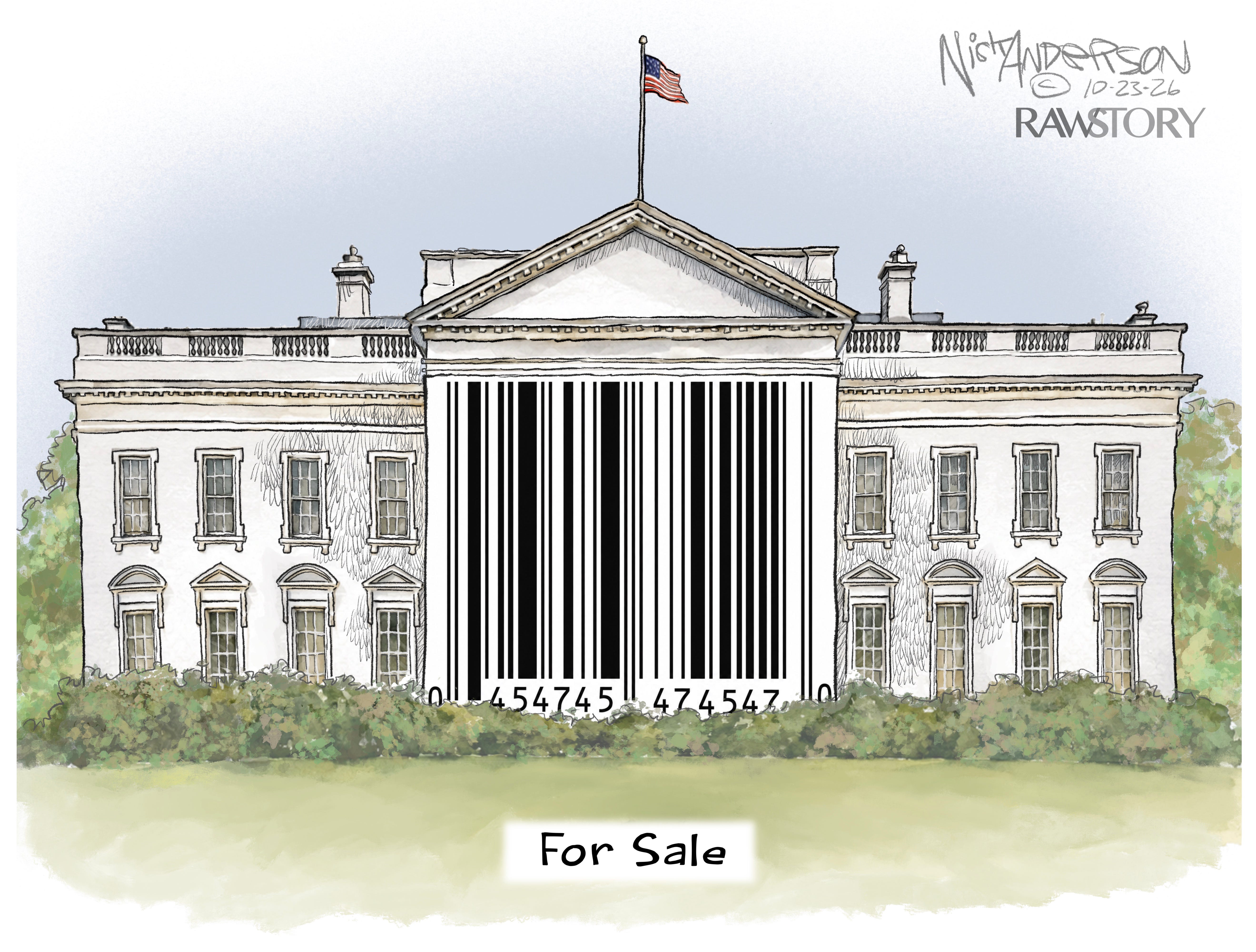
Donald Trump promised to put America first. But his second presidency has raised an increasingly uncomfortable question: How much does it cost to get the president’s attention?
Consider Trump’s cryptocurrency ventures. His $TRUMP meme coin offered wealthy investors the opportunity to attend exclusive dinners with the president, while his family’s World Liberty Financial attracted billions in transactions involving foreign-linked investors. One particularly controversial deal involved a $2 billion investment by an Abu Dhabi-backed company using World Liberty’s stablecoin. The administration subsequently approved expanded access to advanced American AI chips for the United Arab Emirates. No direct exchange of favors has been established, but the overlapping financial and diplomatic interests raised serious ethics concerns.
Then there’s the roughly $400 million luxury jet donated by Qatar for presidential use. The administration called it a gift to the American government, but accepting such an extraordinary contribution from a foreign government raises obvious questions about influence. Meanwhile, the Trump Organization has pursued lucrative real estate projects in Saudi Arabia, Qatar, the UAE and other countries whose governments have substantial business before Washington.
Corporate America has also found opportunities to contribute. Major companies with federal contracts and regulatory interests have helped finance Trump’s proposed $400 million White House ballroom. And the intersection of private business and presidential power extends into federal enforcement: companies with financial ties to Trump-affiliated enterprises have also benefited from favorable regulatory decisions.
Trump insists his sons manage his businesses and that government decisions are made independently. But unlike presidents who placed assets in blind trusts or otherwise separated themselves from business interests, Trump has maintained financial connections to enterprises benefiting from his presidency.
The problem isn’t simply whether anyone can prove that a particular favor was purchased. It’s that the president’s private financial interests are repeatedly intersecting with decisions made by the government he controls.
In Washington, access has always been valuable. Under Trump, the obvious concern is that the distinction between doing business with the president and doing business with the United States has become increasingly difficult to discern.