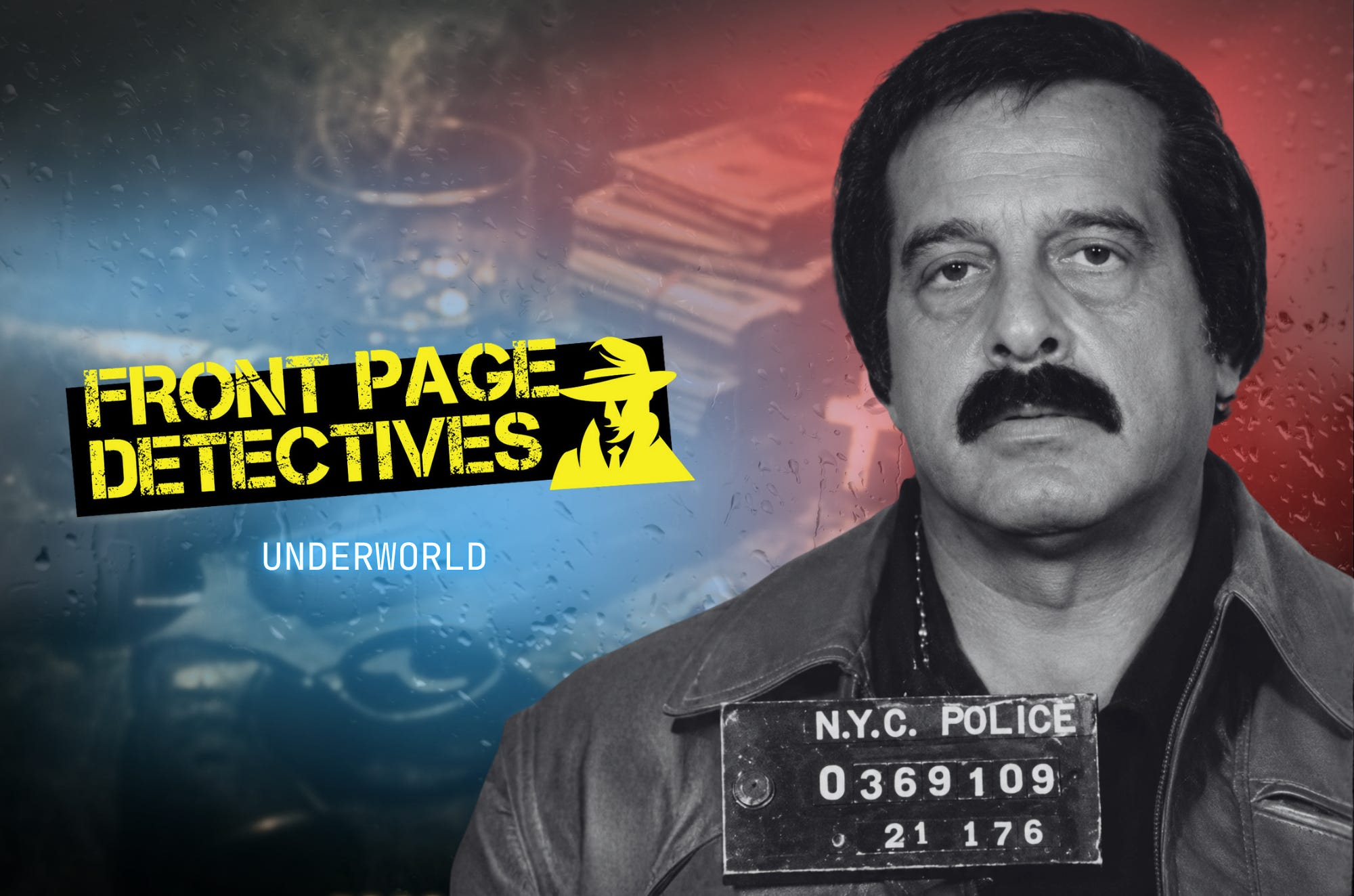
Vincent Fusaro was putting up Christmas decorations outside his Brooklyn home in December 1991 when a gunman came looking for him. Fusaro belonged to the Colombo crime family, an organization being torn apart by a struggle between rival leaders. The dispute had already brought violence to residential neighborhoods, with armed men following one another through streets where their families lived. Fusaro was shot dead outside his home. His killing was part of a growing campaign of assassinations that would leave bodies across Brooklyn and draw federal investigators into an increasingly dangerous conflict.
Among the men involved was Gregory Scarpa, a 63-year-old Mafia veteran whose reputation for violence had earned him the nickname the Grim Reaper. Scarpa had spent decades collecting debts, directing criminal enterprises and eliminating enemies while maintaining a complicated domestic life involving several women and children. Younger gangsters looked to him for money, protection and orders. His criminal associates knew him as a man capable of arranging a murder as readily as a business deal. Yet Scarpa had also developed a remarkable ability to survive police investigations. While other members of the Colombo family disappeared into federal prisons, he repeatedly escaped serious punishment, despite his extensive criminal activities and growing reputation.
Scarpa’s apparent good fortune had become a subject of suspicion within the Mafia itself. Some associates wondered how he knew so much about investigations, why certain arrests seemed to pass him by and whether somebody outside the organization was protecting him. Federal agents, meanwhile, were pursuing the Colombo family with growing determination, gathering evidence against men responsible for murders, extortion and narcotics trafficking. Scarpa occupied an extraordinary position within that campaign. He was both a target of criminal investigations and a longtime source of intelligence for the FBI. As the killings continued, a small group of investigators began asking whether the bureau’s relationship with one of Brooklyn’s most feared gangsters had become something far more dangerous.