“The grid” is the palace’s internal diary, a planning document which maps out which senior royal is doing what, and when. When I started covering the royal family in 1997, the Grid was a physical object on the wall in the office of the monarch’s press secretary.
The grid has of course long since migrated to the electronic realm, but it still holds an almost mythical significance in the imagination of reporters, courtiers and anyone else whose working days are dictated by the rhythms of the royal circus, largely for its (often empty) promise that it will bring predictability and order to the often chaotic and messy world the royals inhabit.
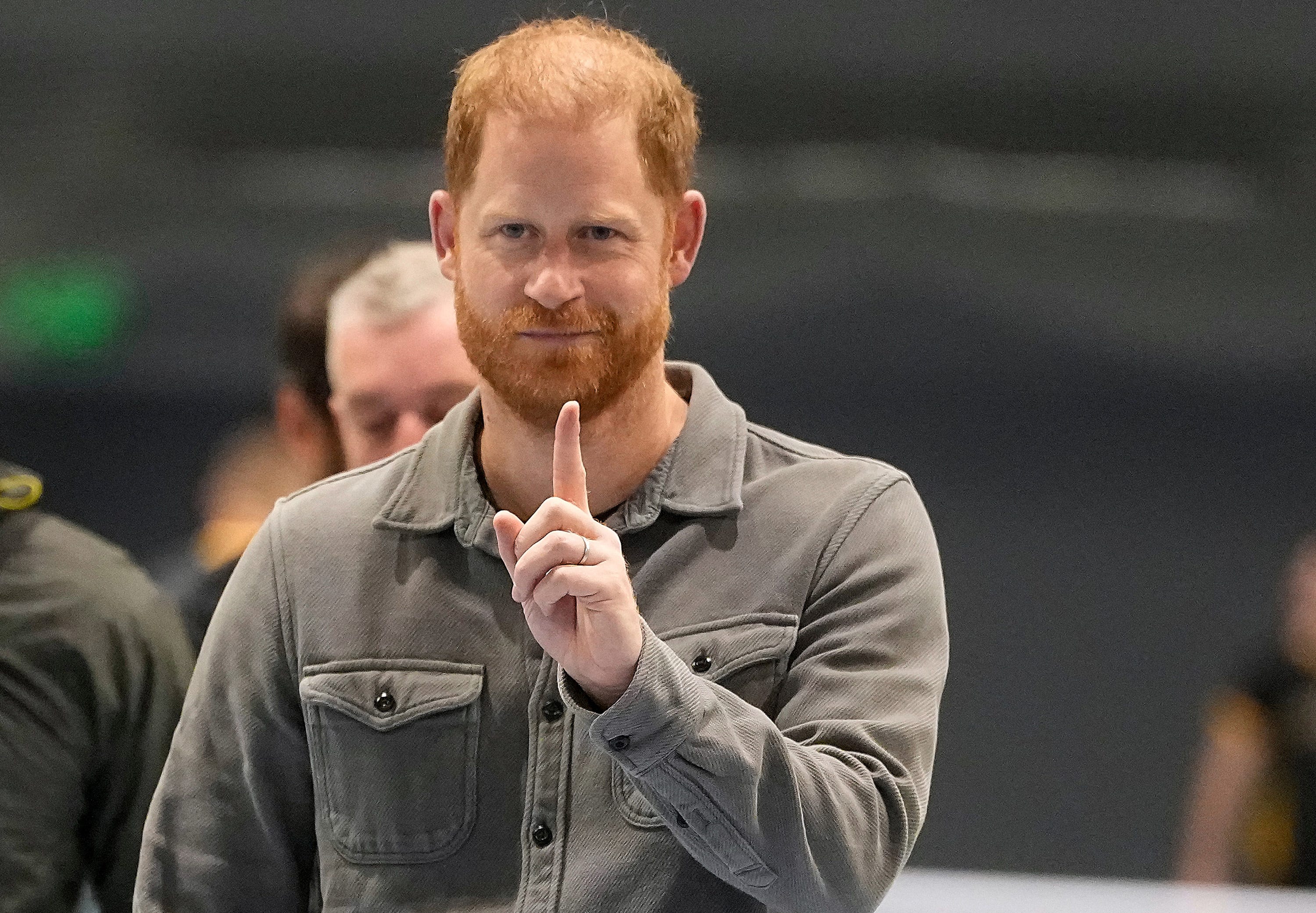
Harry has not got to see the grid since leaving the royal family, but he would very much like access again. That much is quite clear if you listen to the explanations being offered this week by his team after his Ukraine podcast and breakfast TV appearances disrupted William and Catherine’s Earthshot Prize trip to India.
On the Telegraph’s Daily T podcast, Victoria Ward, who has firmly nailed her colors to the Sussex mast—after her paper flipped to support Harry this week, announcing, to the undoubted surprise of their marmalade-munching subscribers in the Shire, that he had been guilty of nothing more than “rash and impulsive misjudgment” (which, when you think about it, could cover all human malfeasance) —explained to a disbelieving Camila Tominey that the timing of this week’s interview was forced on Harry by changes to the Invictus schedule in Ukraine and by a security embargo. As for last year, when the announcement of his Remembrance events collided with William’s Earthshot ceremony in Brazil, Ward said Team Sussex were in the dark about William’s timings, because the Sussex office and Kensington Palace have no line to each other whatsoever.
“They don’t share their diaries in any way, shape or form,” she said.
What she didn’t mention was that since last year, the King’s office has indeed given Harry’s team some limited sight of the King’s diary and Harry shares aspects of his own in return. How well this quid pro quo actually functions is doubtful, with sources telling me that BP bosses performatively hit delete, without reading, when Harry sends diary emails. However, it is notable that Harry seems to devote most of his more aggressive thefts of the limelight to the work of his brother and Catherine rather than the King.
Kate Mansey of the Times reports that access to the grid is what Harry seems to be after, though she suggests his recent behavior is unlikely to win it for him. One source she quotes regards Harry as a worsening nuisance to the whole family, and holds up what happened to William’s tour this week as the evidence, saying: “He’s a thorn in all their sides. Not only unhelpful but now actively making things more difficult and stepping on toes as we’ve seen with his brother’s engagements.”
The Sussex camp’s answer, given to Mansey, is that any upstaging of the King or William is unintended: “Harry doesn’t set out with an intention to try and pull focus or draw attention away from what his father is doing or what his brother is doing. That’s never his intention at all.
However, the source continues, “for him to be able to mitigate against that, he does need to have a decent foresight of what’s coming up.”
This is open blackmail: “Give us William’s diary, or this will keep happening.”
Getting back on the grid would be a huge win for Harry and Meghan, because the grid is a crucial part of the infrastructure of the royal machine. It would be another hugely significant step towards their goal of becoming working royals again on their own terms (half in, half out). Harry would be able to say: we are part of the system. We are not part of the institution, but we are not destabilizing it. We can be trusted.
To which William’s office could do no better than point enquiring minds towards a thunderous London Times’ editorial this week, which seemed aimed at provide a welcoming home to any Telegraph readers thinking of cancelling their subscriptions over their support for Harry, saying: “This tragically immature 42-year-old cannot be trusted in a public role,” before concluding: “In serially embarrassing his father and his country, repeatedly promoting his tiresome narrative of victimhood and continually trying to upstage his brother, Harry’s utterances only prove that he should remain a strictly private citizen, with as much distance placed between him and the Palace as possible. The Duke of Sussex is not the authentic voice of his family or nation. Nor can he ever be.”