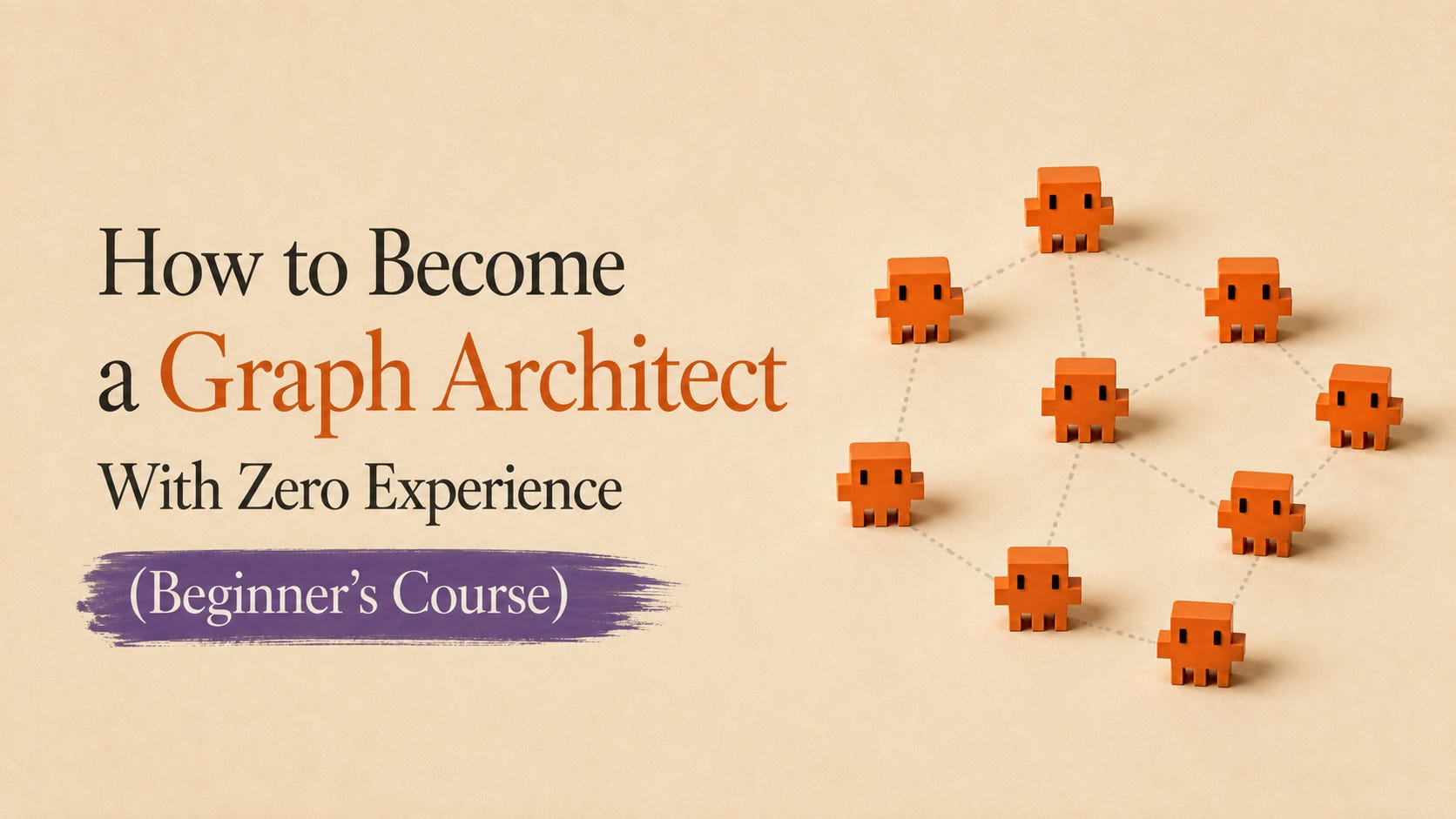
Take an AI workflow with twelve steps and draw one arrow between every step that genuinely depends on the result before it.
Now erase every other arrow.
Something interesting happens.
The workflow stops looking like a long queue. Research can split into five directions. Checks can happen separately. Cheap models can handle small jobs. A stronger model can wait at the end. Failed work can return for repair without restarting everything.
The prompt did not change.
The shape of the work changed.
Anthropic has already measured how large this difference can become. In its research system, a multi-agent setup using Claude Opus 4 with Sonnet 4 subagents beat a single Opus 4 agent by 90.2% on an internal research evaluation. Parallelization also cut research time by up to 90% on complex queries.
There is another number I think matters even more: Anthropic says its multi-agent system used roughly 15× the tokens of a normal chat interaction.
That 90.2%-better / 15×-more-expensive pair explains graph engineering better than any definition.
A good graph can make AI dramatically more capable.
A bad graph is simply a very expensive way of making several agents confused at the same time.
This course is about learning the difference.
I think the easiest way to understand the shift is this:
PROMPT
↓
What do I tell the model?
CONTEXT
↓
What does the model know?
HARNESS
↓
What tools and environment surround it?
LOOP
↓
How does one agent act, check and retry?
GRAPH
↓
How does the whole job move?
That final layer decides what can happen simultaneously, what must wait, which model gets which task, where a verifier sits, what happens after failure and which actions require human permission. Your source material captures this progression well: graph engineering sits above the individual loop because it coordinates the complete job rather than improving one model call.
I am using Graph Architect as a useful name for this skill, not pretending it is already a standard job title. It is not. Today these abilities are more likely to appear inside AI engineer, applied AI, ML or agent-systems roles.
And one distinction is worth getting right early.
A knowledge graph maps relationships between information: customer → product → defect → supplier.
An agentic execution graph maps relationships between work: research → verify → draft → approve.
Both matter. This guide is about the second one.
Inside the full guide: build your first real AI graph from zero, learn the four graph shapes, remove fake dependencies, run agents in parallel, design node contracts and verifiers, route different models to different jobs, add repair loops and human gates, and turn the system into reusable automation with LangGraph, Claude Code Skills/Routines and the OpenAI Agents SDK, complete with commands, code, prompts, setup steps and the rules for knowing when not to use a graph.