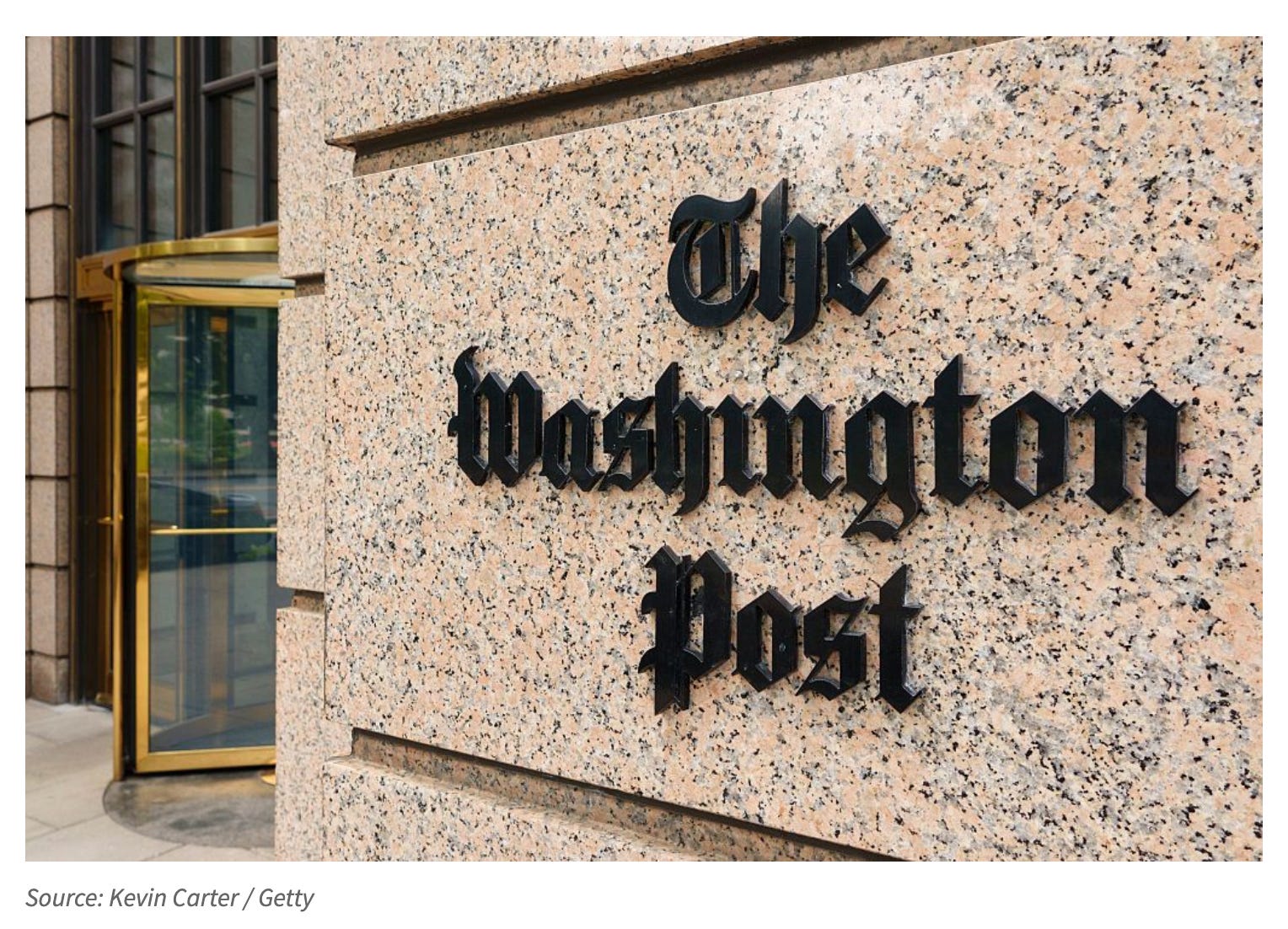
A NOTE TO READERS: This piece was initially published on NewsOne, August 28, 2026
“I WON!”
And she did.
Earlier this week, Karen Attiah announced her nearly yearlong victory against the Washington Post with those two emphatic words followed by a pair of brown-skinned flexed-biceps emojis. Her singular declaration was entirely appropriate because that hard-earned ruling restored her job, full back pay, and professional standing after an independent arbitrator ruled that the Post had fired her without sufficient cause for writing social media posts about the selective mourning of violent white men.
“It’s been a year-long fight, but this is a victory for journalists everywhere.” Attiah posted on Instagram.
So far, the headlines have mostly framed her victory in three celebratory registers: Karen Attiah won. The union worked. Press freedom prevailed.
“This decision is a thunderous win for Karen Attiah, an award-winning journalist fired for doing her job, over Bezos’ Washington Post,” said Norm Eisen, executive chair of Democracy Defenders Fund. “The Post tried to pass off retaliation as discipline, but the rule of law has exposed it for what it truly is: wrongful termination. This is a landmark decision for every journalist who refuses to be silenced.”
Indeed, this is a significant victory for Attiah, for collective bargaining, newsroom unions, due process, and for journalists’ freedom of expression. But what, if anything, did her victory do for the collective condition of Black journalism? Especially since her lawsuit prevailed through union arbitration. Attiah’s reinstatement is not the result of a corporate news outlet examining its conscience, admitting wrongdoing, repenting, and committing to remedying its longstanding problem with newsroom diversity. At the end of the day, Attiah is not being welcomed back home as an act of corporate enlightenment or racial justice.
Continue reading on NewsOne HERE.
Thanks for reading. If this piece moved you or made you think, please consider becoming a paid subscriber. Your subscription keeps my Substack fueled and unfiltered. Paid subscriptions also help me support HBCU journalism students who need laptops, DSLR cameras, tripods, mics, lights, software, conference travel, reporting trips, and even food from our pantry. We appreciate your support!
A NOTE TO READERS: Commenting has recently been reserved for paid subscribers only due to the deluge of racist filth under my posts. So if you want to participate in the conversations here, please upgrade.
THIS CONTENT IS WRITTEN IN THE AUTHOR’S PERSONAL CAPACITY. ANY OPINIONS EXPRESSED ARE THE AUTHOR’S OWN AND SHOULD NOT BE ATTRIBUTED TO HOWARD UNIVERSITY OR MORGAN STATE UNIVERSITY.