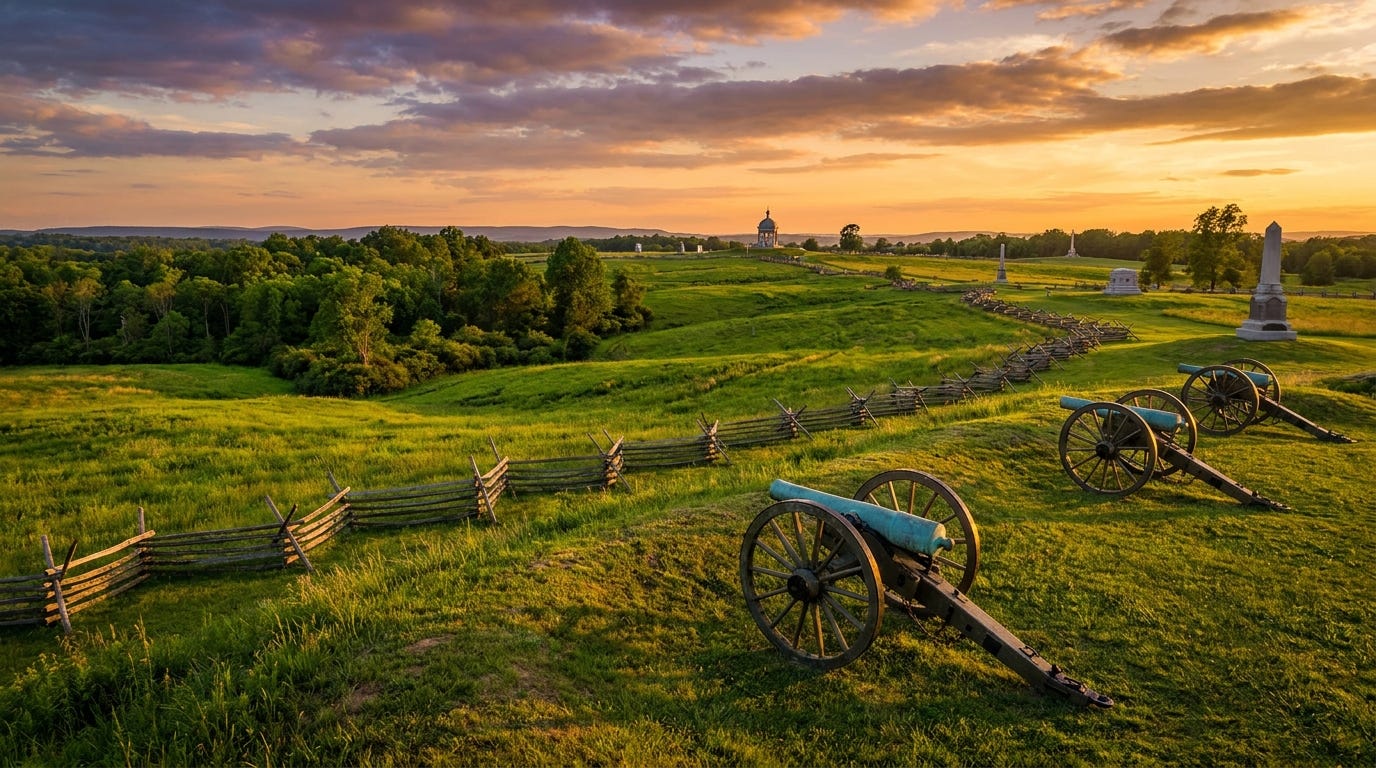
The beginning of a new book project is always exciting. This is certainly the case for my latest project, which is tentatively titled, * The Cornerstone of Robert E. Lee’s Army: Confederate Slaves at Gettysburg*. The book will explore the stories of the thousands of enslaved laborers that accompanied the Army of Northern Virginia throughout the Gettysburg Campaign.
There are books, articles, and archival sources that need to be collected and read. I just acquired a complete run of Confederate Veteran magazine to go along with my set of The Southern Historical Society Papers.
I’ve got a long list of questions that will guide my reading and early drafts. These questions will certainly evolve in ways that I can barely predict at this early stage. It’s one of the reasons I enjoy this part of the process so much. There are questions that need to be answered and surprises abound around every turn.
There is also plenty of anxiety at this early stage. Will I find enough material to work with to tell this story? Will I find the right voice to bring these stories to life? Will individual chapters emerge that together tell a coherent overall story? That’s just the beginning, but this is routine for anyone setting out to write a work of history, let alone one that has never been told before.
Thankfully, I am beginning to find my bearings as I continue to sketch out the scope of the project.
The most important realization that I’ve come to, which may not seem significant at all, is that I am writing a book about the history of slavery. I am not writing another history of the battle of Gettysburg. Of course, there will be plenty about the battle, but this book is about slavery during wartime or more specifically how the institution of slavery functioned in the Army of Northern Virginia in the summer of 1863.
The books that have been most helpful thus far have nothing to do with Gettysburg. A few recent titles include Susan O’Donovan’s new book * Marching Toward Freedom: The Political Education of Enslaved Americans*, Patrick Ely’s new book,
Our collective memory of the landscape of slavery has long been confined to the plantation. In recent years, historians have broadened this to include factories in places like Richmond and Atlanta, the mines of the southwest, and railroads.
I want to broaden it even more with this book. I want people to see, military camps, and marches, and especially battlefields as part of the landscape of slavery.
Don’t want to take out a subscription? You can also throw a couple dollars into my Venmo account. Find me @Kevin-Levin-37. Thank you.