You don’t have time for three hours of doomscrolling, twenty half-baked takes, and some guy online screaming READ THE THREAD. We are Front Page Detectives, this is your morning Drive-By, and here is what is real.
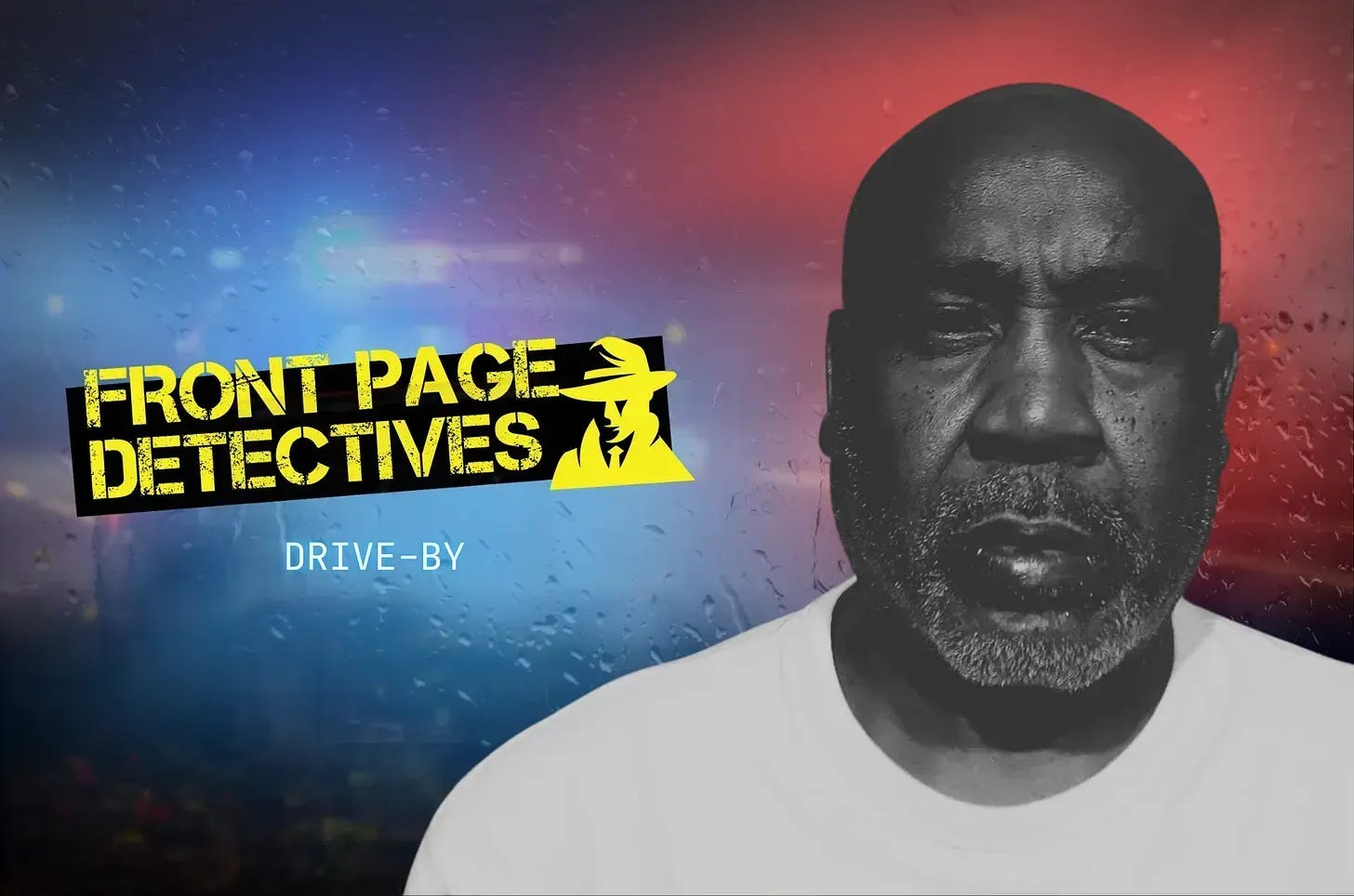
The prosecution says Duane Davis helped orchestrate the 1996 drive-by killing. His own words have become the centerpiece of the case against him.
Closing arguments are expected today in the murder trial of Duane “Keffe D” Davis, nearly 30 years after Tupac Shakur was gunned down on the Las Vegas Strip.
Davis, 63, is accused of helping orchestrate the September 7, 1996, shooting that killed the rap icon after Shakur and Death Row Records boss Marion “Suge” Knight left a Mike Tyson fight at the MGM Grand. Prosecutors say Davis was inside the white Cadillac that pulled alongside Knight’s BMW and that the attack was retaliation for an earlier casino beating involving Davis’ nephew, Orlando “Baby Lane” Anderson.
The state’s case has leaned heavily on Davis himself. Over the years, he described the killing in a federal proffer, documentaries, podcasts and his 2019 memoir. Retired Las Vegas detective Dan Long testified that Davis’ 2009 statements gave investigators enough probable cause to make arrests, but Davis was then protected by a federal immunity arrangement tied to a separate drug investigation.
His defense rested after Long’s testimony. Davis has pleaded not guilty to murder with a deadly weapon with the intent to promote, further or assist a criminal gang. If convicted, he faces life in prison without parole. After decades of rumors, dead witnesses and street mythology, the case is finally approaching the hands of a jury.
Hot Take: Tupac’s murder spent 30 years buried under legends, grudges and men talking too much. Now the smoke is clearing, and one man’s old stories may have written the ending for him.
Read more
The former Venezuelan president appeared thinner but defiant in images released from federal custody as he awaits trial in New York.
Nicolás Maduro has appeared publicly for the first time since U.S. forces captured him in Caracas in January, releasing two photographs from inside Brooklyn’s Metropolitan Detention Center.
The images, posted to Maduro’s social media account Sunday, show the ousted Venezuelan president dressed in gray prison clothing and white sneakers, smiling and flashing peace signs. He told supporters the photos were a “small gift” and said he and his wife, Cilia Flores, remained strong and hopeful despite eight months in American custody. Maduro has reportedly spent much of his time reading the Bible and is allowed limited contact with people outside the jail.
The photographs were taken June 25 but released only now, as the political consequences of Washington’s intervention continue to unfold. Maduro and Flores have pleaded not guilty to U.S. drug trafficking charges and are expected to stand trial in June 2027. Both could face life sentences if convicted.
Hot Take: Washington dragged Maduro out of Caracas, locked him behind a Brooklyn door and called it justice. Eight months later, he is still smiling for the camera. Some prisoners understand that symbolism can travel farther than freedom.
Jurors weighing three murder charges will resume deliberations after requesting physical evidence tied directly to the killings and Clancy’s medication history.
Jurors deciding whether Lindsay Clancy was criminally responsible for strangling her three young children return to Plymouth Superior Court today after two days of deliberations failed to produce a verdict.
The panel began considering the case Thursday and on Friday asked to examine two bags containing prescription pill bottles along with the knife entered into evidence. Judge William Sullivan permitted jurors to review the items. The request immediately drew attention because Clancy’s defense has relied heavily on claims that postpartum psychosis and an extensive medication history left her unable to appreciate or control what she was doing when she killed Cora, 5, Dawson, 3, and Callan, 8 months.
Prosecutors have argued that mental illness does not erase the evidence of planning, awareness and deliberate action. Jurors can return verdicts ranging from first-degree murder to manslaughter, insanity or acquittal for each child. They resume deliberations at 9 a.m. today, with Clancy facing the possibility of life imprisonment if convicted of first-degree murder.
Hot Take: Three children are dead, and the jury is now sorting through pill bottles, a knife and five weeks of competing explanations. Somewhere underneath all that evidence sits the oldest question in the book: did she know exactly what she was doing?
Read more
Nathan Laatsch worked in the very division meant to stop internal security breaches before offering classified material in exchange for a possible new life abroad.
A former Defense Intelligence Agency employee has pleaded guilty to transmitting national defense information after attempting to provide classified U.S. material to what he believed was a foreign government.
Nathan Vilas Laatsch, 29, worked for the DIA from 2019 and held a Top Secret clearance while assigned to its Insider Threat Division. After the FBI learned in March 2025 that he was offering classified material to a friendly foreign government, an undercover agent began communicating with him. Laatsch later transcribed classified information, removed it from his workplace and deposited a thumb drive containing Secret and Top Secret material at a northern Virginia park.
Prosecutors say Laatsch later expressed interest in obtaining citizenship in the foreign country and said he was not opposed to compensation. He supplied another batch of classified documents in May 2025 and was arrested after the FBI received them. Sentencing is scheduled for January 27, 2027, and he faces a maximum sentence of life in prison.
Hot Take: The man paid to watch for insiders became the insider. Espionage has always loved irony, but this one practically left its fingerprints on the file cabinet.
Nearly seven months after the 84-year-old vanished, investigators continue examining genetic evidence recovered from her Tucson-area home.
Nearly seven months after Nancy Guthrie disappeared from her Arizona home, a reporter closely following the investigation says rapidly advancing DNA technology could ultimately break the case.
NewsNation correspondent Brian Entin said he remains convinced investigators will reach a resolution, citing the number of people still working behind the scenes and continuing developments in forensic genetic analysis. Guthrie, the 84-year-old mother of “Today” co-anchor Savannah Guthrie, disappeared from her Catalina Foothills home during the early hours of February 1.
The FBI has been analyzing DNA recovered from the property, but investigators previously said some samples contained genetic material from multiple people, making identification more difficult. No suspect has been publicly named. Guthrie’s family continues asking supporters to keep attention on the case and pray for her return as investigators work through evidence that may yet provide the break they need.
Hot Take: Seven months is a long time for a trail to grow cold, but DNA has a habit of keeping secrets long after people stop talking. Somewhere in that evidence may still be the name detectives need.
Read more