📢** Sponsor | **💡
**Good Morning. **
Welcome to our 108th edition of the regulatory roundup. If you know anybody who would benefit from this content, please help us spread the word!
In Today’s Edition:
**Headline:SEC Proposes Crypto Self-Custody for AdvisersGlobal Legal Roundup****Case Study:**Community Banks Sue OCC Over Charters
You read and share. We listen and improve. Send us feedback at marco@launchy.app.
HEADLINE
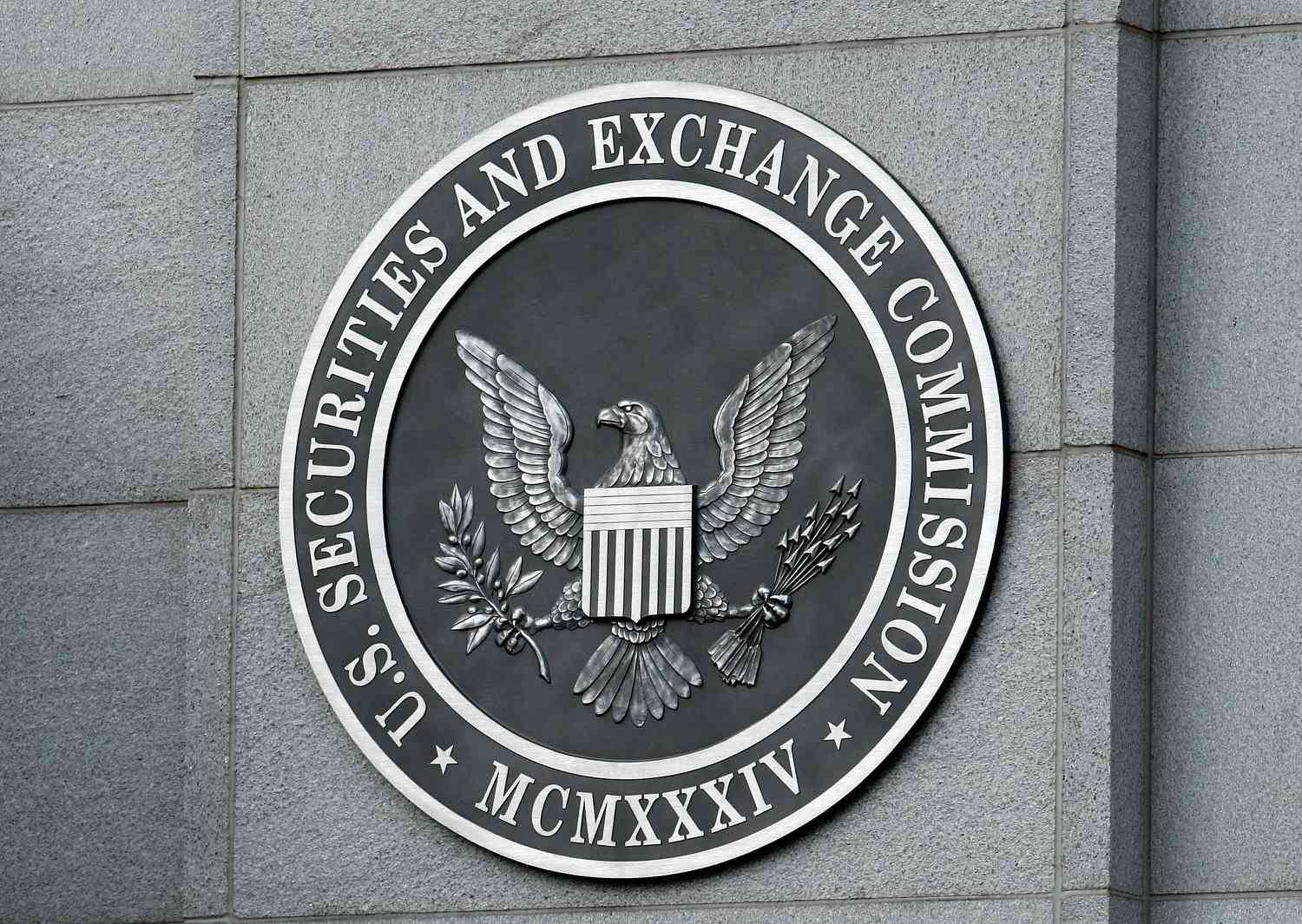
**State of play: **The SEC is filling the legislative vacuum one rule at a time, and its custody proposal concedes an awkward truth: institutional demand for crypto has outrun the custodial infrastructure regulators once insisted on.
Advisers and regulated funds could hold crypto directly instead of gaining exposure through ETFs or other intermediaries.
State trust companies would qualify as custodians for client and regulated fund crypto assets.
Adviser self-custody applies when no permitted custodian is available, which Commissioner Hester Peirce clarified differs from investors holding their own keys.
The proposal follows the SEC’s innovation exemption and the CFTC’s crypto asset rulemaking filed with the White House.
Public comments are open for 60 days, and Chair Paul Atkins signaled that more crypto proposals are coming.
**What’s Next: **Expect banks and incumbent qualified custodians to use the comment window to narrow the self-custody exception before any final vote.
**Why it Matters: **The rule decides who gets to hold institutional crypto, and opening the door to state trust companies widens the field beyond a handful of large custodians.
Our Take: Calling adviser-held custody “self-custody” is a branding win, but the real shift is toward state trust charters, which risks a race to the lightest supervisor.
GLOBAL LEGAL ROUNDUP
🇺🇸
CoinbasereceivesDCO approval from CFTC.🇺🇸
Illinoisagreesto six-month delay of crypto tax.🇺🇸
White Houseweighsnew CFTC event contract rules.🇺🇸
Bank groupsuesUS regulator over granting crypto trust charters.🇺🇸
Stand With Cryptorolls outits first round of Senate endorsements.🇺🇸
SECproposesframework allowing investment advisers, funds to self-custody.
🇪🇺
Binance’s EU servicesface scrutinyover licensing exemption.🇪🇺
ECBoutlinesthree models for putting central bank money onchain.🇪🇺
50,000 Europeanscallon EU to ease stablecoin rewards restrictions.🇪🇺
HPC, CirclepressEU on perps and stablecoin reserves in MiCA review.🇬🇧
FCAstartsaccepting crypto authorization applications ahead of 2027 regime.
🇰🇷
South Koreaadvancestokenized securities rules ahead of 2027 rollout.🇭🇰
HK regulatorsexpandfinancial reporting oversight to licensed crypto firms.
CASE STUDY
State of play: The banking lobby that helped sink the Clarity Act has opened a second front, suing the OCC over the national trust charters that crypto firms are using as their entry point into the US banking system.
The ICBA argues the National Bank Act does not authorize the OCC’s expanded chartering powers, leaving community banks at a competitive disadvantage.
Crypto trust banks avoid the capital, liquidity, supervision, and FDIC insurance obligations that traditional banks carry, according to the group.
The Bank Policy Institute added that firms going beyond pure trust activities should seek full-service banking charters instead.
Charter recipients include Coinbase, Circle,
Crypto.com, Protego, Erebor, and Trump-linked World Liberty Financial, which drew fire from Senator Elizabeth Warren.The OCC declined to comment, weeks after granting a full national bank charter to a16z-backed OpenReserve Bank.
Our Take: This fight is about market share more than safety, and if the ICBA wins, crypto firms will simply pivot to the state trust charters the SEC just proposed as qualified custodians.
Take a peek at our referral reward at the bottom of this issue. Share this newsletter and receive our comprehensive database of crypto regulations around the world👇
If you enjoy reading this issue, please consider subscribing. It takes 1 minute of your time but it would mean the world to us 🙇
Disclaimer: All the information presented in this publication and its affiliates is strictly for educational purposes only. It should not be construed or taken as financial, legal, investment, or any other form of advice.