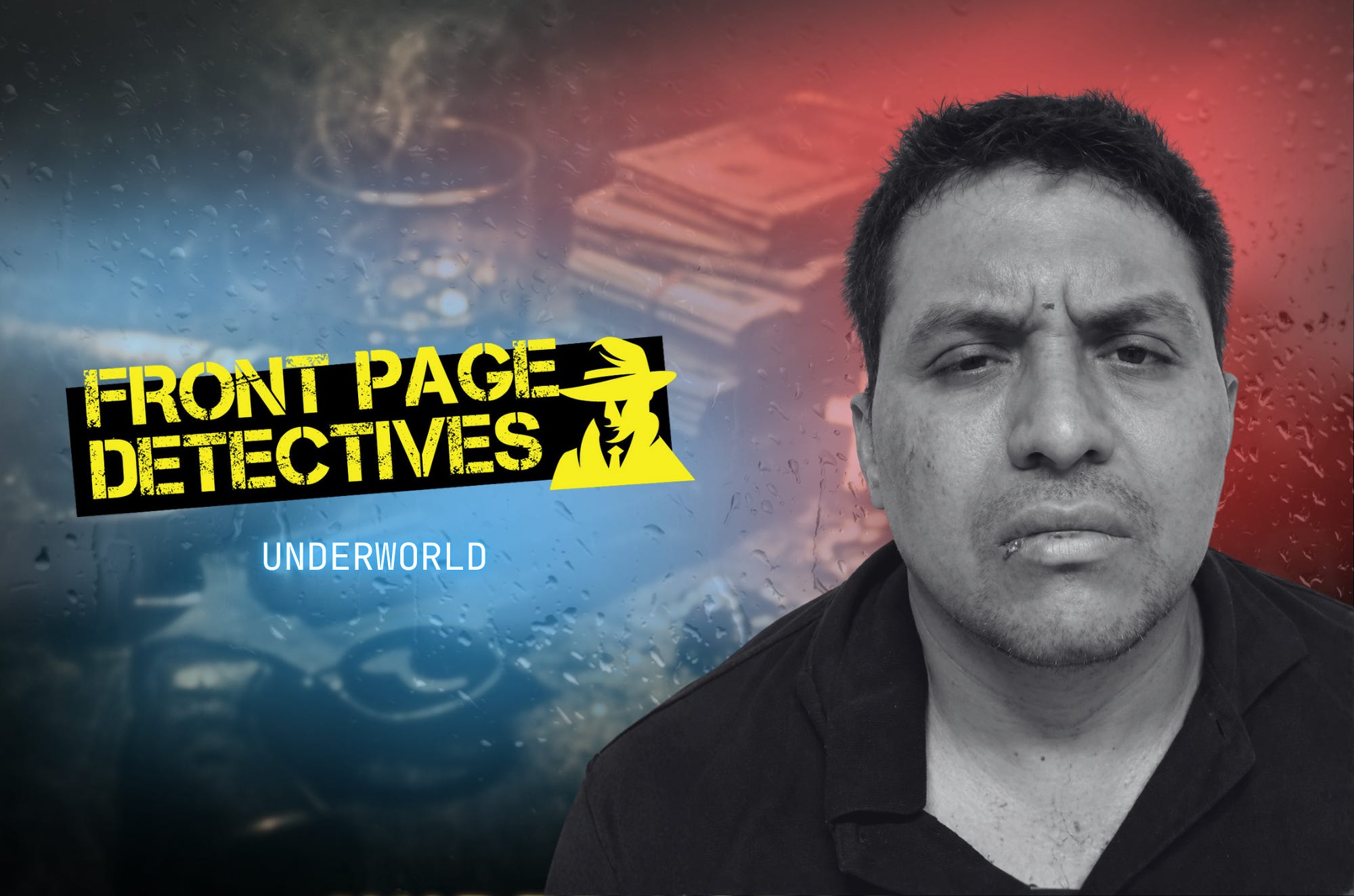
The Gulf Cartel already had money, political protection and access to the American drug market. What Osiel Cárdenas Guillén wanted was personal security. His rivals employed gunmen. He recruited soldiers.
The men arriving in his service brought more than weapons. They understood military discipline, intelligence gathering and the weaknesses of the institutions pursuing them. Mexico had paid for their training. A drug trafficker offered better terms.
The arrangement began with a practical question. Who would protect the boss? Before long, another question became harder to avoid. Who would control the men protecting him?
Los Zetas grew from this bargain. Their history runs through military barracks, border crossings, police stations, prisons and American courtrooms. Following their rise means looking beyond the photographs of captured leaders. The decisive transactions often involved someone accepting a payment, supplying information or agreeing to look away.
For residents living under their authority, the consequences reached into ordinary decisions. Which road did you take? Where did your children work? Who answered when you called the police?
The soldiers who joined Cárdenas entered an established criminal business. Understanding what followed starts with the institution they left, the employer they chose and the freedom he gave them.