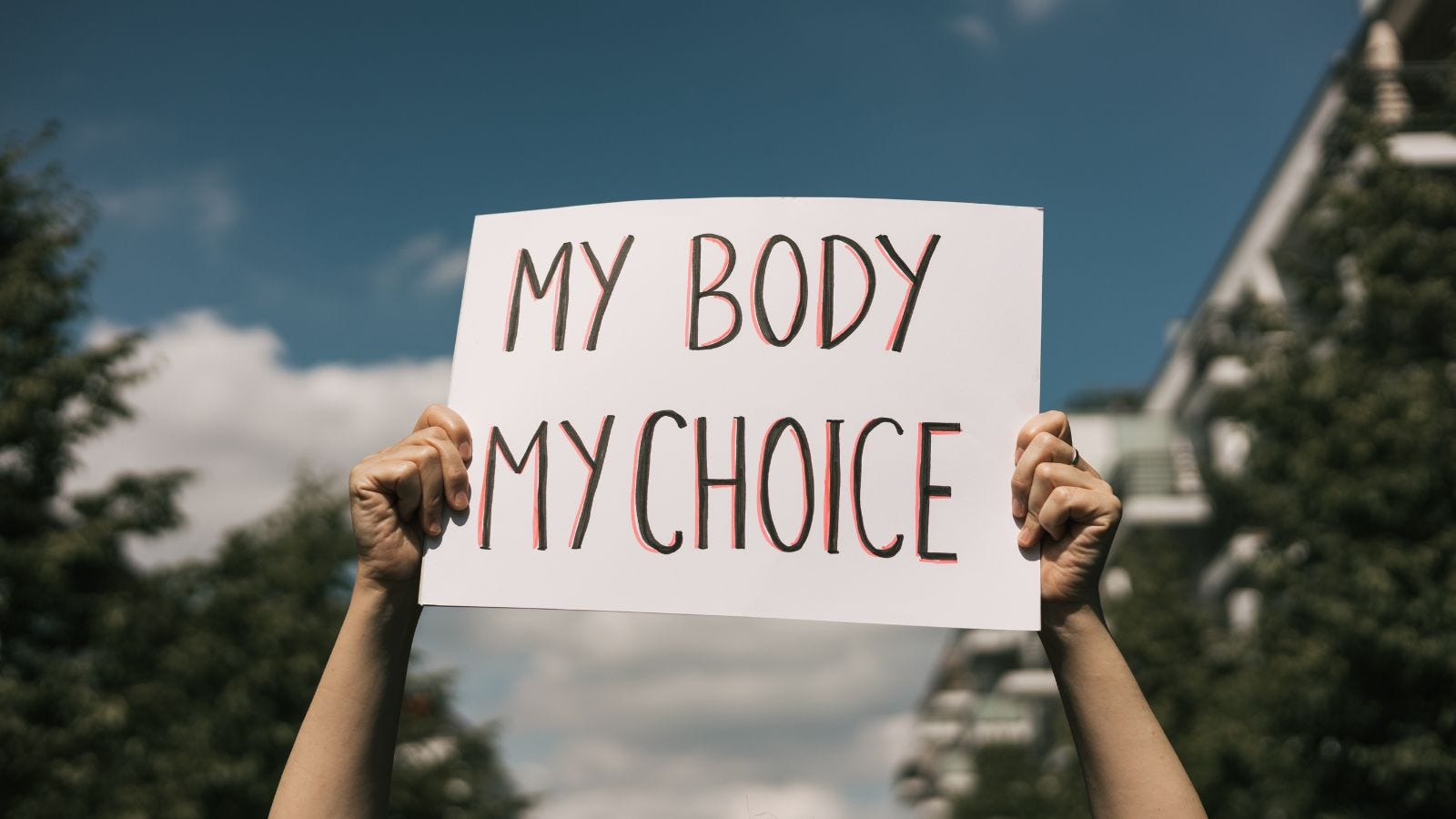
Louisiana sued the FDA seeking to end telehealth prescribing and mail delivery of the abortion pill mifepristone nationwide, not just within its own borders
Connecticut Attorney General William Tong joined more than 20 other Democratic attorneys general opposing the lawsuit, warning it would let one state override other states’ abortion protections
The case is one of several nationally as abortion opponents target telehealth access to medication abortion, which has become the most common method used since Roe v. Wade was overturned
An ongoing federal court case threatened one of the most common tools used to access abortion care, following recent reports that multiple Trump regime appointees indicated support for a nationwide abortion ban.
Louisiana is suing the Food and Drug Administration regarding telehealth prescription and mail delivery of mifepristone, a drug regularly used to aid abortion care. Should its lawsuit, or one like it, succeed, Politico reported, it wouldn’t just impact Louisiana, where abortion is illegal except in extremely specific situations; it would impact the entire nation, shutting off a primary form of access for millions in states like Connecticut where abortion is legal.
As Politico described the case, Louisiana argued that its right to enforce its abortion ban outweighed the rights of states without bans to preserve their residents’ access.
The case was one of several lawsuits moving through federal courts seeking to extend abortion restrictions from states that ban the procedure into states that do not. At least 60% of abortions in the United States use mifepristone, according to the Associated Press. Attorneys general in Florida and Texas and lawyers in Idaho, Kansas and Missouri have also filed lawsuits challenging the FDA’s telehealth rules.
In response, 22 attorneys general in Democratic-led states, including Connecticut Attorney General William Tong, have filed a brief opposing Louisiana’s lawsuit, noting the state seeks to impose its will over other states’ rights.
Despite the 2022 Dobbs ruling ending the roughly half-century Roe v. Wade standard where abortion remained legal nationally, allowing about half of U.S. states to make abortion illegal, abortions have nearly doubled from 2022 to 2026, with telehealth widely cited as a reason, NPR reported.
Politico also reported that anti-abortion activists are purposely attacking telehealth access to mifepristone in an attempt to prevent its use.
Louisiana argued in its case that telehealth laws made its abortion ban “meaningless” because the drug could be shipped across state lines, though an attorney representing the state also confirmed the lawsuit sought to eliminate online and mail access to medication like mifepristone nationwide.
By Joe O’Leary