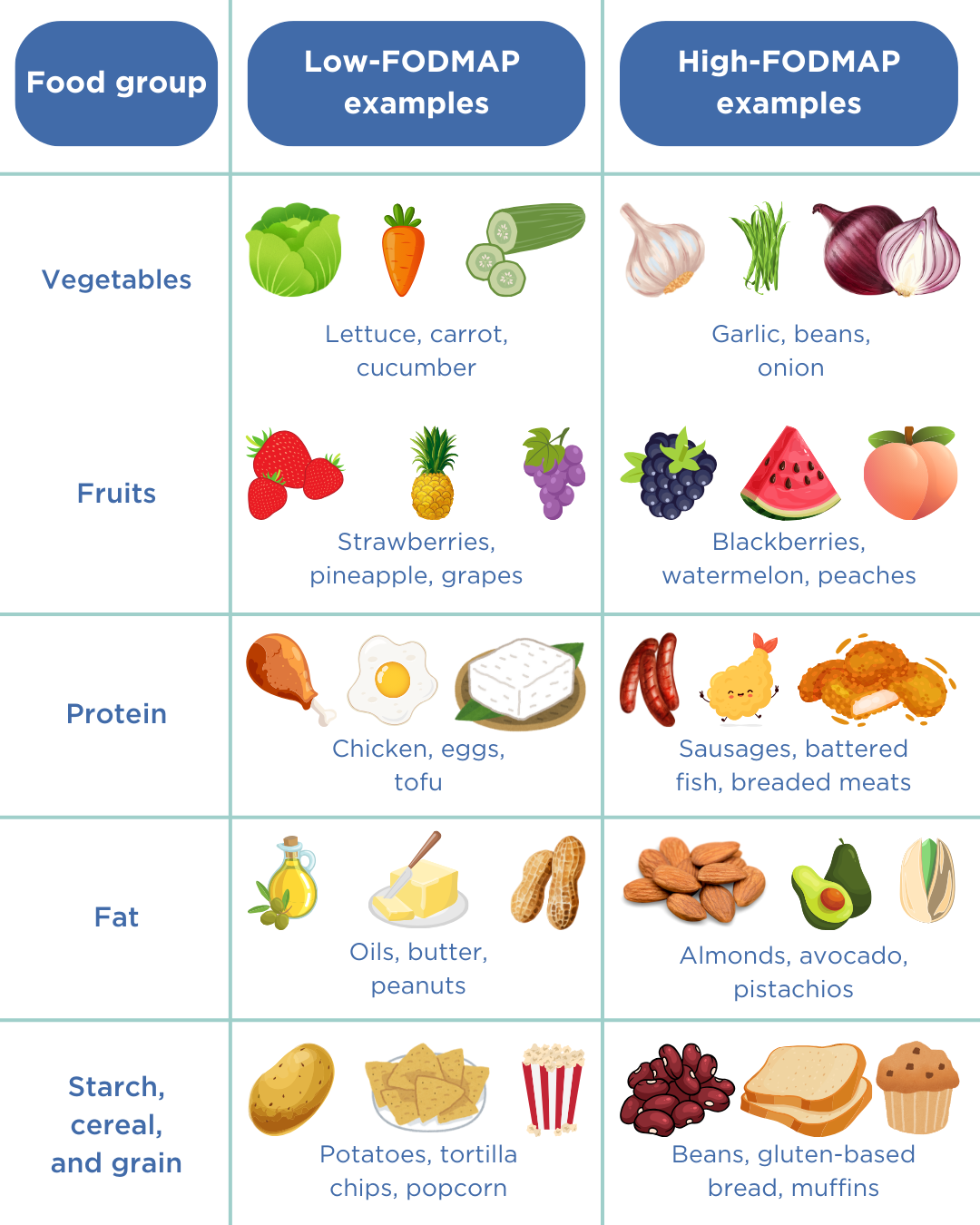
The low-FODMAP diet is being debated as to whether it can do more harm than good.
On one side, Kyle Staller, MD, MPH, an associate professor of medicine at Massachusetts General Hospital and Harvard Medical School, worries the diet can trigger or worsen disordered eating.
Many people with IBS already fear food (how could you not if it causes pain and agony?) and restrict what they eat.
Adding a FODMAP restricted diet on top of that can reinforce unhealthy patterns. Up to 1 in 5 IBS patients may already have signs of disordered eating, often without realizing it.
There’s also evidence that restrictive eating earlier in life may increase the risk of developing IBS later.
On the other side, Anthony Lembo, MD, the director of research for Cleveland Clinic’s Digestive Disease and Surgery Institute, argues the low-FODMAP diet is safe and highly effective when done correctly.
Studies show about 50–70% of patients improve within a few weeks, especially for bloating and pain. The key is that it’s **not meant to be permanent, **it’s a short-term process that:
Temporarily removes trigger foods
Gradually reintroduces them
Personalizes your diet based on what you tolerate
The low FODMAP goal should be to expand your diet, not shrink it.
The takeaway is that a low-FODMAP diet can work well for IBS, but it needs to be used carefully and tailored to you as an individual.
It may not be appropriate at all for people with a history of restrictive eating.
And more about the low FODMAP diet and IBS...
You are not alone.
P.S. If you need help or have questions hit the Green Button below and I’ll try to answer every one of you!
If you need immediate help please join my Private IBS Coaching.
XOXO
Heather
Heather Van Vorous
Over 40 years dealing with IBS
Get full help for IBS here
Get Heather’s Tummy Care here