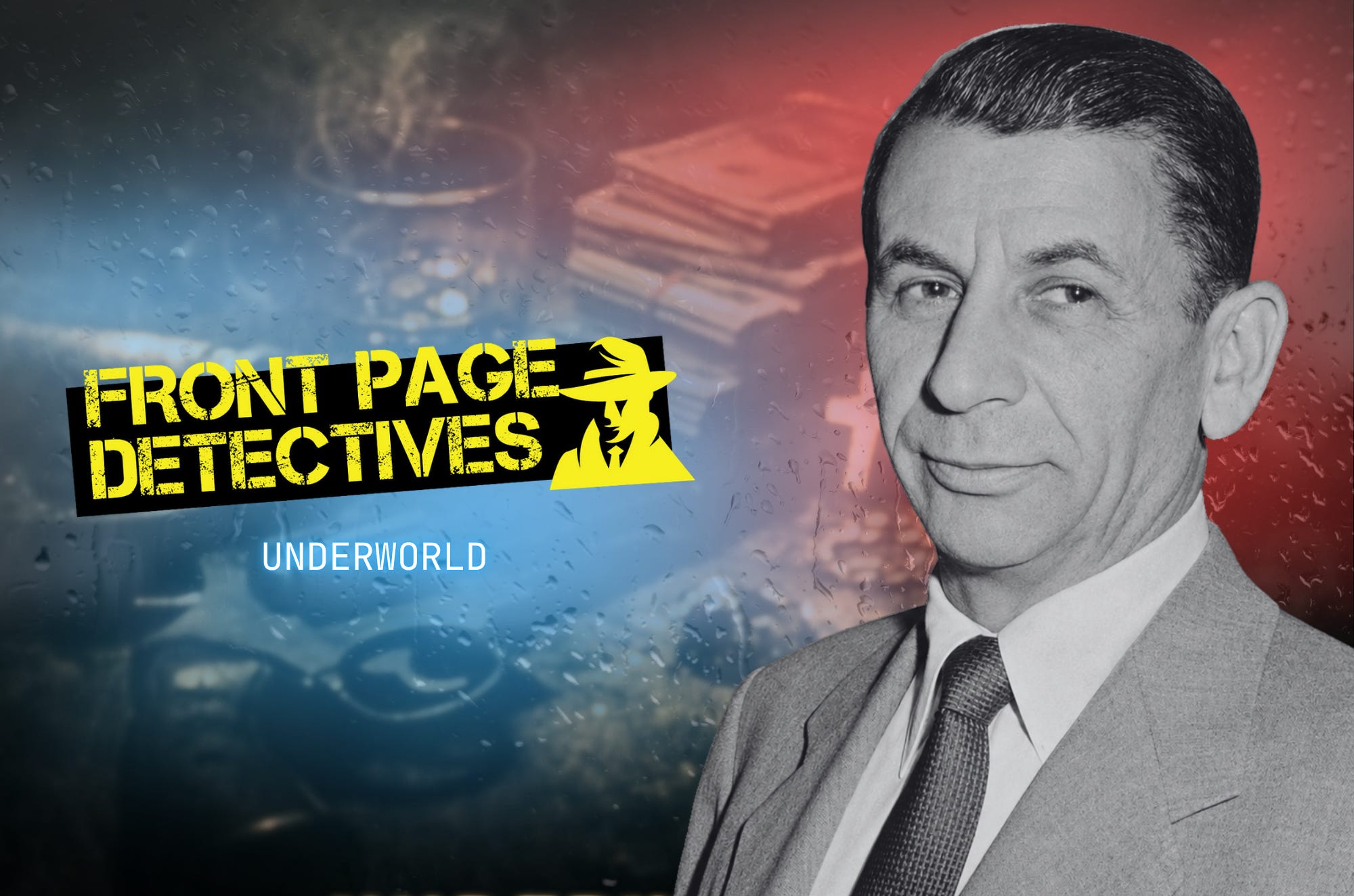
Trust was a dangerous requirement in Meyer Lansky’s business. A partner lied about the proceeds. An investor demanded repayment. Someone accused an old friend of stealing. Ordinary businesses brought such disputes to lawyers. Lansky worked among men prepared to settle them through murder. Becoming indispensable to those men required more than knowing how to divide their money. He needed them to accept his figures, respect his judgment and continue believing their interests were safe in his hands.
The familiar description of Lansky as the Mafia’s accountant makes his work sound almost clerical. Someone else committed the crimes while a quiet man handled the paperwork. His early career offers little support for such a separation. He entered organized crime through a gang whose business included violence. The later financial reputation raises a harder question. How far does responsibility extend when someone helps violent men cooperate, invest their proceeds and remain profitable?
Lansky also offers a more troubling version of criminal success than the gangster whose career ends in a shooting. Success brings another set of demands. Partners expect returns. Officials expect payment. A wife wants security. Children need a future beyond their father’s business. Each relationship creates obligations, and fulfilling one threatens another. Friendship becomes especially difficult when someone entrusted with other people’s money starts losing money.
The attraction of Lansky’s story lies in those decisions. What did his associates trust him to do? What did respectable people accept in exchange for access to his money and influence? And where did the obligations of a father end and the calculations of a gangster begin? The accountant label supplies an occupation. Understanding the man requires entering the relationships behind the accounts.