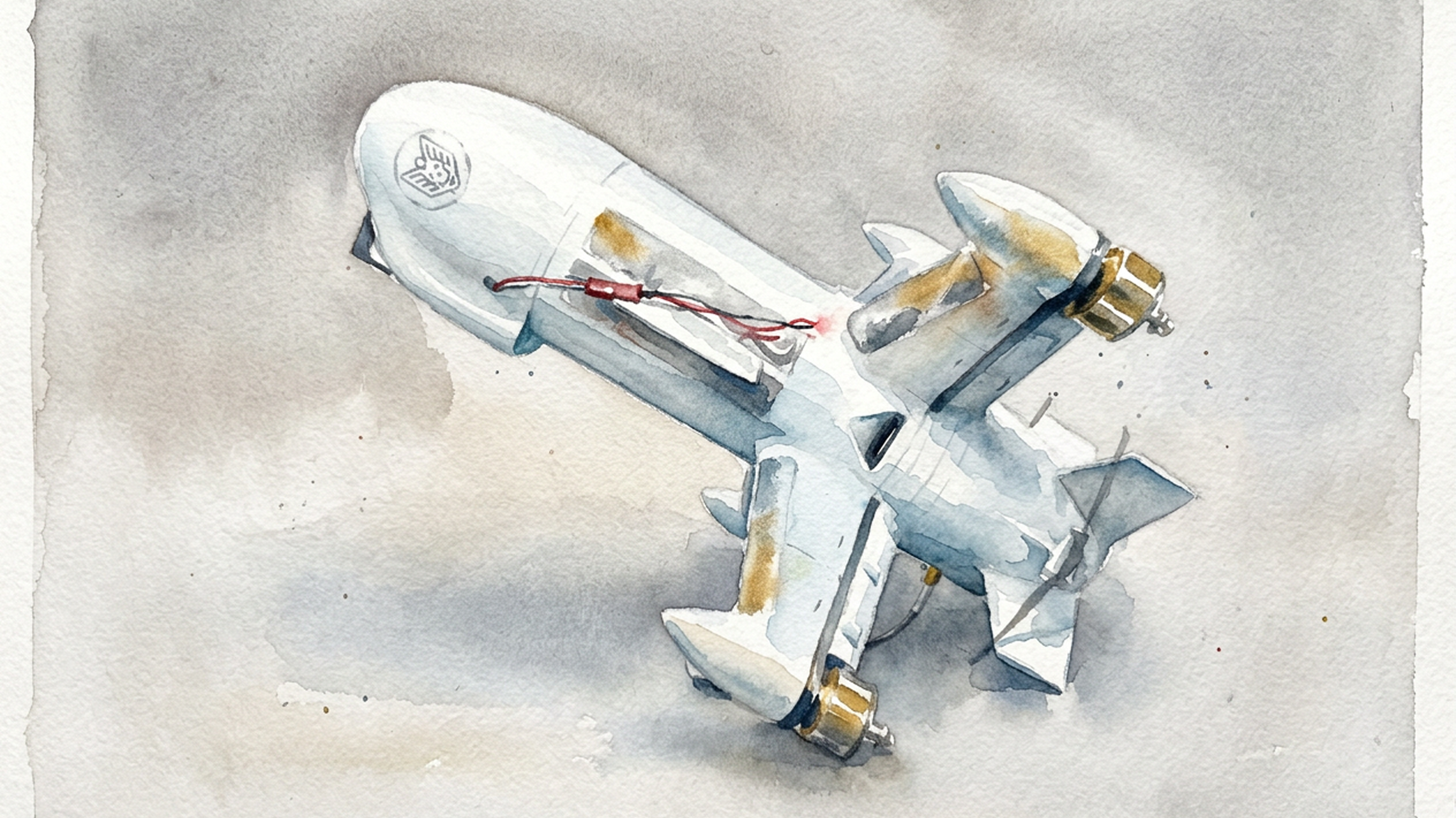
Fire Point’s FP-9 ballistic missile, now in flight trials, could carry an 800-kilogram warhead 855 kilometers into Russian territory
Ukraine’s Defense Ministry codifies the Stepovyi Viter, a 90-kilometer strike drone that launches without a prepared position
A Ukrainian interceptor maker cleared Swedish licensing and investment—now Kyiv’s own export ban is the only thing stopping production
and more …
We publish this newsletter every day at 9:05am NYC time / 4:05pm Kyiv.
Your subscription fuels our work.
Ukraine’s Defense Ministry has codified the Stepovyi Viter medium-range strike drone developed by Unwave and Sky Composite Engineering, clearing it for official military procurement and wider deployment. The aircraft has a tactical radius of up to 70 kilometers, a maximum flight range exceeding 90 kilometers, endurance of 65 minutes, and capacity for a five-kilogram warhead.
It can operate under automatic, semi-automatic, or manual control and uses optical terminal guidance to complete attacks after approaching the target area. The manufacturer also says the system can be launched rapidly without preparing a specialized position and reach speeds of 170 kilometers per hour.
Fire Point has begun military trials of its FP-7 ballistic missile and expects operational strikes against Russian targets within weeks. The weapon has completed laboratory, ground, and flight testing; trials under combat conditions will now form the final stage of Defense Ministry codification. Fire Point originally advertised a 200-kilometer range and 150-kilogram warhead, but subsequently reported that the missile can deliver 200 kilograms of explosives over 300 kilometers.
The company’s more powerful FP-9, designed to carry an 800-kilogram warhead for up to 855 kilometers, is undergoing flight trials. Its range would place Russian headquarters, airfields, ammunition depots, and logistics centers far behind the front within reach of a domestically produced ballistic system.
Ukrainian manufacturer Vluchnyk has progressed from assembling conventional FPV drones to supplying the Zorelit v4 interceptor and preparing its technology for licensed production in Sweden. Developed to destroy Shaheds, the Zorelit reaches 348 kilometers per hour and is available in six configurations, with ranges between 46 and 70 kilometers, and optional terminal guidance. It entered testing in September 2025, secured its first military contract three months later, and is now used by up to ten Ukrainian combat units.
An improved Zorelit v6, designed for jet-powered Geran drones and Banderol missiles, is expected to exceed 400 kilometers per hour and reach an altitude of five kilometers. Scandinavian investors have financed the company, helped it pursue Western certification, and established Scandinavian X to manufacture Vluchnyk interceptors under license in Sweden. Yet production remains blocked by the absence of a Ukrainian export permit, despite Swedish government support. Both sides have assembled the necessary industrial partnership. Bureaucracy is now preventing it from producing a single interceptor.