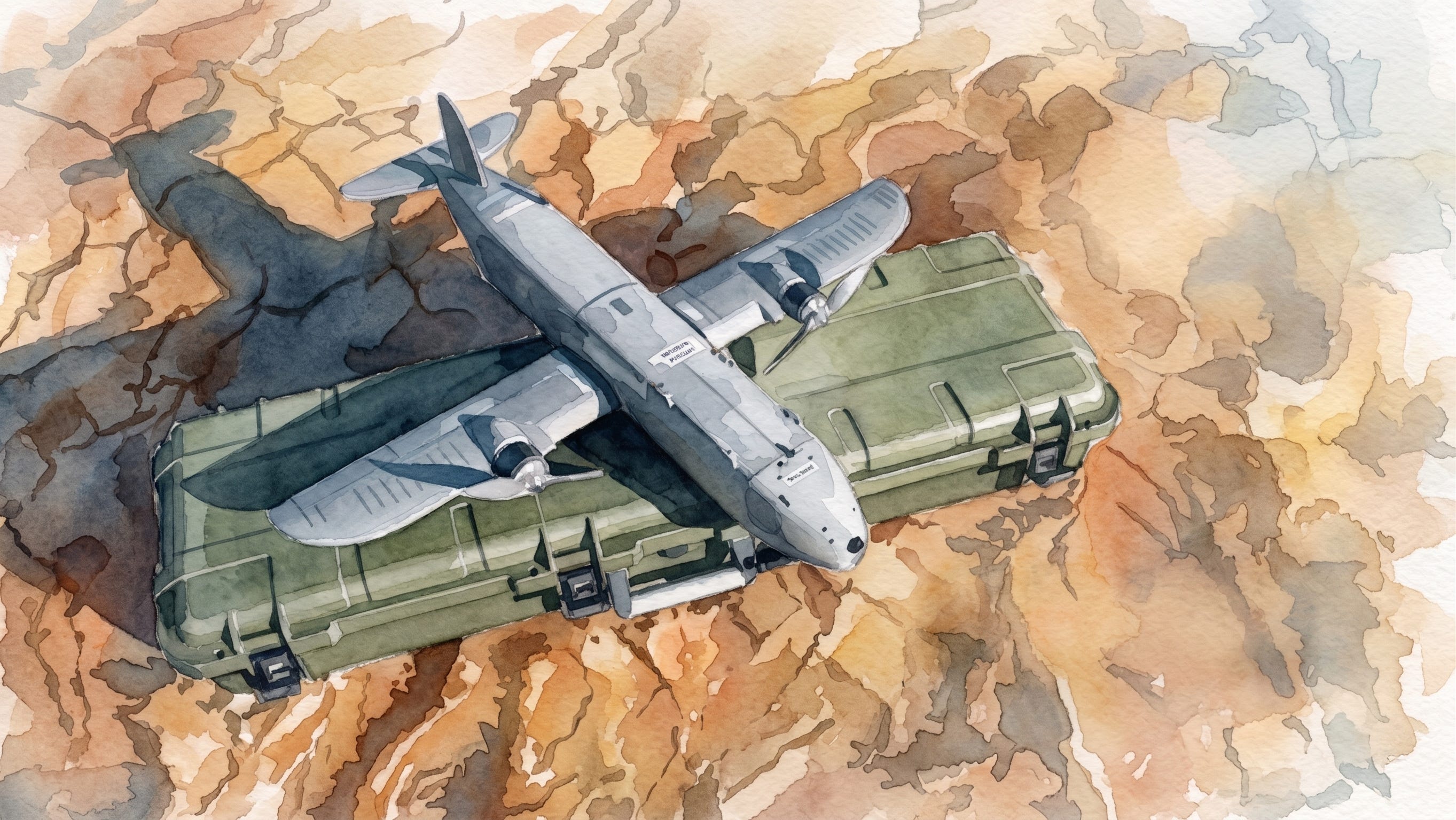
Kyiv marks Independence Day with nearly 100 unmanned systems on Khreshchatyk and the Dnipro, replacing the tanks and troop columns
Blackwater founder Erik Prince teams up with a Ukrainian drone firm to sell private air defense
Ukraine codifies a jet-powered interceptor that launches from a catapult, hunts Shaheds and Gerans, and flies home if it misses
and more …
We publish this newsletter every day at 9:05am NYC time / 4:05pm Kyiv.Your subscription fuels our work.
Ukrainian-American drone developer Swarmer and Blackwater founder Erik Prince have launched Vectus Air Defense Systems, a U.S.-based company offering privately operated, multilayered protection for critical infrastructure. Swarmer receives a 20 percent stake and will contribute swarm-based interception technology, while Vectus plans to combine Ukrainian, American, Israeli, and other allied systems, including sensors, electronic warfare, interceptor drones, and large-caliber guns. The model reflects an uncomfortable reality: governments lack enough high-end air-defense batteries to protect every power plant, factory, port, and logistics hub from cheap massed drones.
Commercial protection could bring capital, faster procurement, and tailored defenses to exposed sites, freeing military systems for strategic targets.
Ukraine marked its 35th Independence Day by staging what it billed as the world’s first military parade devoted entirely to unmanned systems. Nearly 100 aerial, naval, and ground platforms replaced the traditional columns of soldiers and tanks: robotic vehicles moved along Khreshchatyk, Magura and Sea Baby drones crossed the Dnipro, and reconnaissance, strike, and interceptor UAVs flew above Kyiv. The symbolism was unusually honest. Ukraine’s military power increasingly rests on adaptable machines, decentralized engineering, and a defense industry learning directly from the battlefield, rather than inherited Soviet mass.
The parade also showed foreign partners what Europe’s first major drone force actually looks like.
Ukraine and Norway have signed a “Drone Deal” to expand technology exchange and develop joint projects in unmanned systems and air defense, alongside a broader strategic partnership covering defense and energy. The agreement builds on production already under way in Norway for Ukrainian mid-range strike drones and follows roughly $130 million in Norwegian funding for maritime drones. Oslo also plans to provide around $9 billion in support through the Nansen Program in 2027.
The important shift is from buying weapons for Ukraine toward producing Ukrainian-designed systems inside NATO territory, combining Kyiv’s combat-tested engineering with Norwegian capital, manufacturing capacity, and secure supply chains.