Hi there MC360 community!
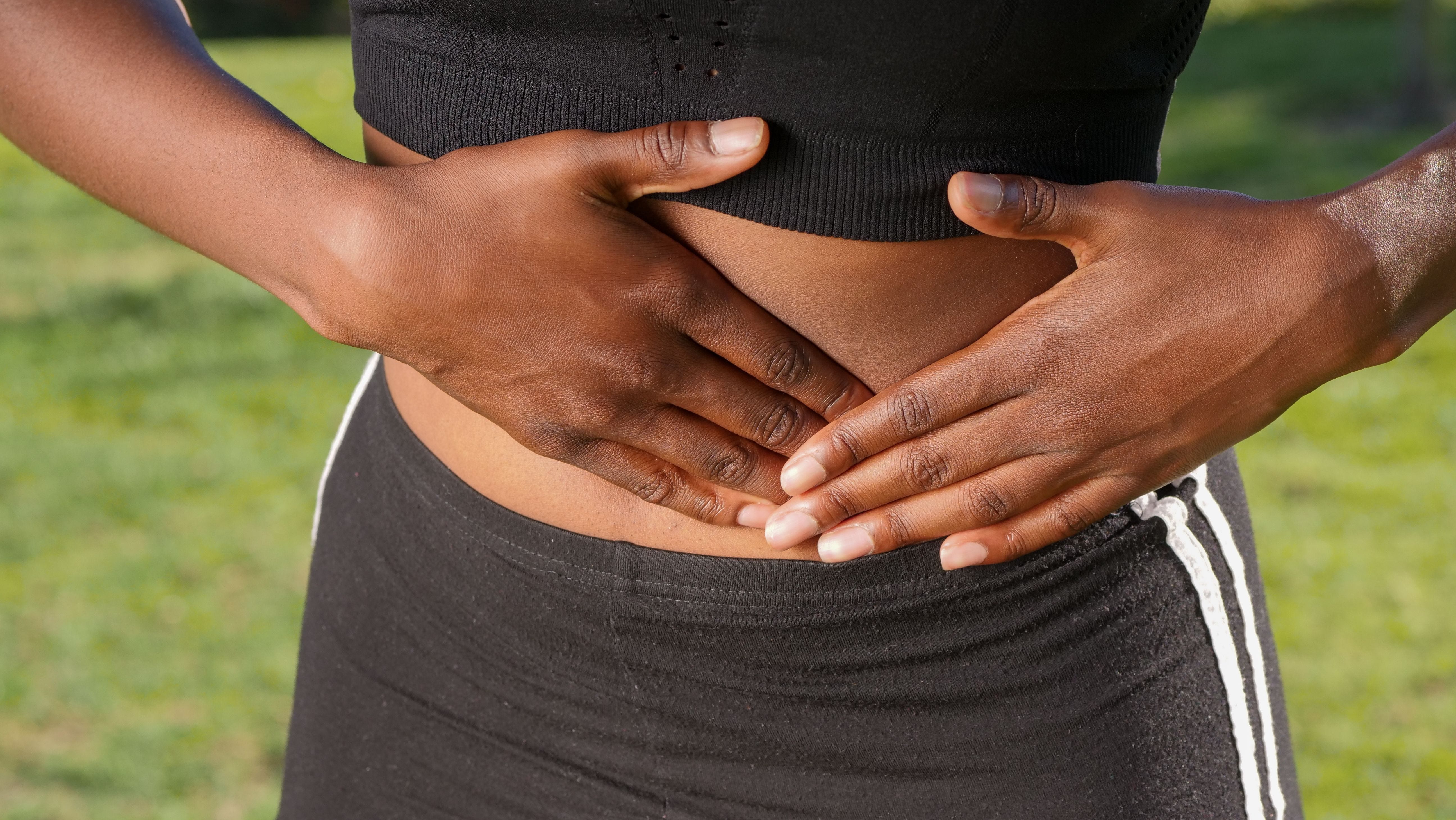
Have you ever felt like nothing was sitting well with your gut?
Foods that you used to eat without a second thought suddenly cause bloating, nausea, reflux, diarrhea, constipation, abdominal pain, or just a general feeling that something is “off”.
Maybe you even cut a few foods out, only to start reacting to the ones you left in.
And before long, your ability to eat anything without worry or symptoms became a long list of foods you were afraid to eat.
We hear this all the time. Gut issues and food intolerances are very common with MCAS.
But there is one question we always like to look into.
What was happening in your environment when this began? Or what might you have been exposed to in the months or years before?
For some people, symptoms begin after moving into a new home, starting a new job, or experiencing water damage in their home. For others, the connection may be less obvious, especially if the exposure happened further in the past or was hidden.
And the gut can be one of the first places affected when mold enters the picture.
This post is for informational purposes only. To read our full disclaimer, please scroll to the bottom of this post.
Your gut has a complex barrier that is made up of:
Your gut microbiome
The mucus layer
Your intestinal lining and tight junctions between intestinal cells
The immune system behind that wall
**Together, these systems work to decide what gets absorbed, what stays in the gut, and how your immune system will respond to all of it. **
When everything is functioning well, your body can maintain an appropriate response to the various things passing through.
But when it becomes compromised, or leaky, that starts to shift.
And research has found that certain mycotoxins can affect all areas associated with your gut barrier in cell and animal studies.
Some common examples of this include Aflatoxins and Ochratoxin A which are commonly found in the food supply and in water damaged buildings. When levels of these are high in the gut, they begin to degrade gut health.
Mold exposure may not just affect the space around you. It can also interact with your body’s internal environment, with potential consequences for your health.
The body is a complex system, and individual responses will vary from person to person, and from mycotoxin to mycotoxin (or mold).
But here are common gut issues we see with clients:
1. The intestinal barrier becomes leaky
The lining of your gut is supposed to act as a selective filter. Allowing you to absorb the things you need from the food you eat, while also keeping out things that need to move through the system as waste.
This matters because the gut barrier helps regulate what comes into contact with your immune system.
When tight junctions begin to break down, they allow more things through that the immune system doesn’t recognize or sees as a threat.
And for those with overactive mast cells, this is especially significant. Your gut is one of the most mast cell-dense tissues in the body, meaning a compromised gut barrier can directly fuel mast cell activation.
2. Your gut microbiome is disrupted
Trillions of microorganisms live in your gut. It’s a delicate balance of good guys and bad guys that interact with your immune system, digestion, and metabolism.
Research is finding that mold and mycotoxins directly affect the gut microbiome and microbial metabolism.
**The microbiome plays an active role in protecting your intestinal lining. Beneficial bacteria produce nutrients and other beneficial compounds (like neurotransmitters and short-chain fatty acids), maintain the mucus layer, and help regulate immune responses at the gut surface. **
When that microbial balance is disrupted, those protective functions weaken, the lining becomes more vulnerable, and gut stability starts to break down.
3. Increased mast cell and immune system reactivity
Your gut is home to a large portion of your immune system. Estimates commonly range from 60% to 80%.
When your gut comes under stress, such as with mold exposure, the immune system and mast cells can also play a role.
And this is where we start to see a big impact on food sensitivities.
Food itself isn’t necessarily a problem.
Sometimes the deeper issue is the environment in which your immune system and mast cells are encountering food. A reactive, inflamed gut treats even familiar foods differently than a calm, stable one.
And it’s understandable that people who suddenly react to more and more foods respond by cutting them out one by one. But this often ends with a very limited diet that is low in nutrients and still doesn’t make them feel better.
When food reactions suddenly increase, the deeper issue may be how reactive the gut has become. And for many of our clients, mold is a hidden trigger that helps explain why.
This topic is something personal for our team, too.
The Mast Cell 360 team is filled with people just like you. People who have been where you are right now and made progress in healing.
“I used to be able to eat any food I wanted with no discomfort or reaction.
Then we moved into a rental that had hidden mold. I started experiencing significant food reactions, to the point that I was reacting to different types of water and experiencing vomiting.
Eventually, our family went on vacation and went camping. My food sensitivities all started to subside. No vomiting and I could tolerate a lot more.
Once we returned home, the issue came back.
So, I decided to test if I would react to a certain food if I ate the meal outside, and to my surprise, I did not. Only when I ate food indoors or that had been cooking in the home.
We decided to test the home for mold and test my body. That’s when we discovered high levels of Ochratoxin A in myself and Aspergillus in my home.
We moved out. Being out of constant exposure alone was enough to help me make significant progress. That gave me the space I needed to create a buffer and move the rest of the toxins out of my body.” - Danielle
Our goal isn’t to suggest that every food reaction is triggered by mold. It is to show you that food alone isn’t the whole story. And if you have MCAS, it’s worth taking a deeper look at mold and other factors.
Because if you just continue to remove foods without looking into why your tolerance changed in the first place, your list of safe foods can continue to decline while the real root trigger is not being addressed.
Our interview Can Mold Cause Histamine and Stomach Issues? Is available in the Mast Cell 360 Substack Content Library. We discuss how mold affects the digestive system – gut inflammation, motility changes, SIBO, SIFO, nutrient absorption, and histamine reactions, and why they so often show up together.
We also share some of our favorite gut support supplements in that interview. ** Healthy Gut** offers a 60-day money back guarantee and you can save 10% on every order with code
There are several different potential reasons for developing food intolerances. And oftentimes it is a combination of things.
But it’s important to look into what is underneath your sensitivities.
Mold is worth considering for anyone with MCAS, but definitely if your reactions developed or increased around any of the following:
A move
A leak or flood
Water damage
Musty building
Renovations
New workplace
New home
Known mold exposure
Or other environmental changes
If any of those sound familiar, these questions are worth exploring alongside mold:
What is happening with your gut?
What is happening with your immune system?
What is happening with your environment?
What happened immediately before you started experiencing changes in food intolerance?
The answers can help point toward what’s actually at the root and give you a way forward rather than just a shrinking food list.
And remember, right now is just a snapshot of how your body is responding. It doesn’t have to stay this way.
While diets can be helpful, the goal isn’t to eliminate as many foods as possible. It’s to support your body in being able to bring them back. And for many people in our community, addressing mold is a significant part of making that possible.
If you’re reading this and thinking, “Okay... I think mold might be a part of my story. But where do I even start?” Don’t worry, we’ve got you covered.
Our Precision Mold Master Class walks you through the mold picture in much more depth, including how to think about mold exposure, testing, remediation, and supporting your body through the process.
And right now, you can get 50% off either level (Basic or Advanced). No code needed.
If mold is something you’ve been wondering about, this is a great time to dig deeper and gain a more complete understanding of how it may contribute to your health struggles. And, more importantly, what you can do about it.
Understanding what’s happening is the first step toward knowing what to do next.
And you don’t need to know it all today. Just take things one step at a time.
Together in healing, The Mast Cell 360 Team
We’re grateful for this community, whether you’re free or paid.
Questions? Email support@mastcell360.com
Akbari, P., Braber, S., Varasteh, S., Alizadeh, A., Garssen, J., & Fink-Gremmels, J. (2017). The intestinal barrier as an emerging target in the toxicological assessment of mycotoxins. Archives of Toxicology, 91(3), 1007–1029. https://doi.org/10.1007/s00204-016-1794-8
Gao, Y., Li, S., Wang, J., Luo, C., Zhao, S., & Zheng, N. (2018). Modulation of intestinal epithelial permeability in differentiated Caco-2 cells exposed to aflatoxin M1 and ochratoxin A individually or collectively. Toxins, 10(1), Article 13. https://doi.org/10.3390/toxins10010013
Gao, Y., Meng, L., Liu, H., Wang, J., & Zheng, N. (2020). The compromised intestinal barrier induced by mycotoxins. Toxins, 12(10), Article 619. https://doi.org/10.3390/toxins12100619
Pinton, P., Guzylack-Piriou, L., Kolf-Clauw, M., & Oswald, I. P. (2012). The effect on the intestine of some fungal toxins: The trichothecenes. Current Immunology Reviews, 8(3), 193–208. https://doi.org/10.2174/157339512800671967
Riccio, P., & Rossano, R. (2019). Undigested Food and Gut Microbiota May Cooperate in the Pathogenesis of Neuroinflammatory Diseases: A Matter of Barriers and a Proposal on the Origin of Organ Specificity. Nutrients, 11(11), 2714. https://doi.org/10.3390/nu11112714
It’s important you know that Mast Cell 360 resources are for informational and educational purposes. Mast Cell 360 does not diagnose, treat, cure, or prescribe for any disease or medical condition. Recommendations are based on the opinion of Mast Cell 360 and are not meant to replace the care of a medical practitioner. Always consult your physician before changing your healthcare regimen. Supplements/products mentioned are not designed to treat, cure, or prevent any disease or medical condition. And these statements have not been evaluated by the Food and Drug Administration.Some links may be affiliate links, which means we may make a very small commission if you purchase through the link. It never costs you any more to purchase through the links, and we try to find the best deals we can. We only recommend products that we love and use personally or use in our practice. Any commissions help support the newsletter, website, and ongoing research so we can continue to offer you free tips, recipes, and info. Thank you for your support!