Tech
Nadella’s AI moat is the learning loop your company owns, not the model you rent
Ken Huang · Agentic AI
Sep 14, 2026 · 1 min listen · Last updated September 14, 2026
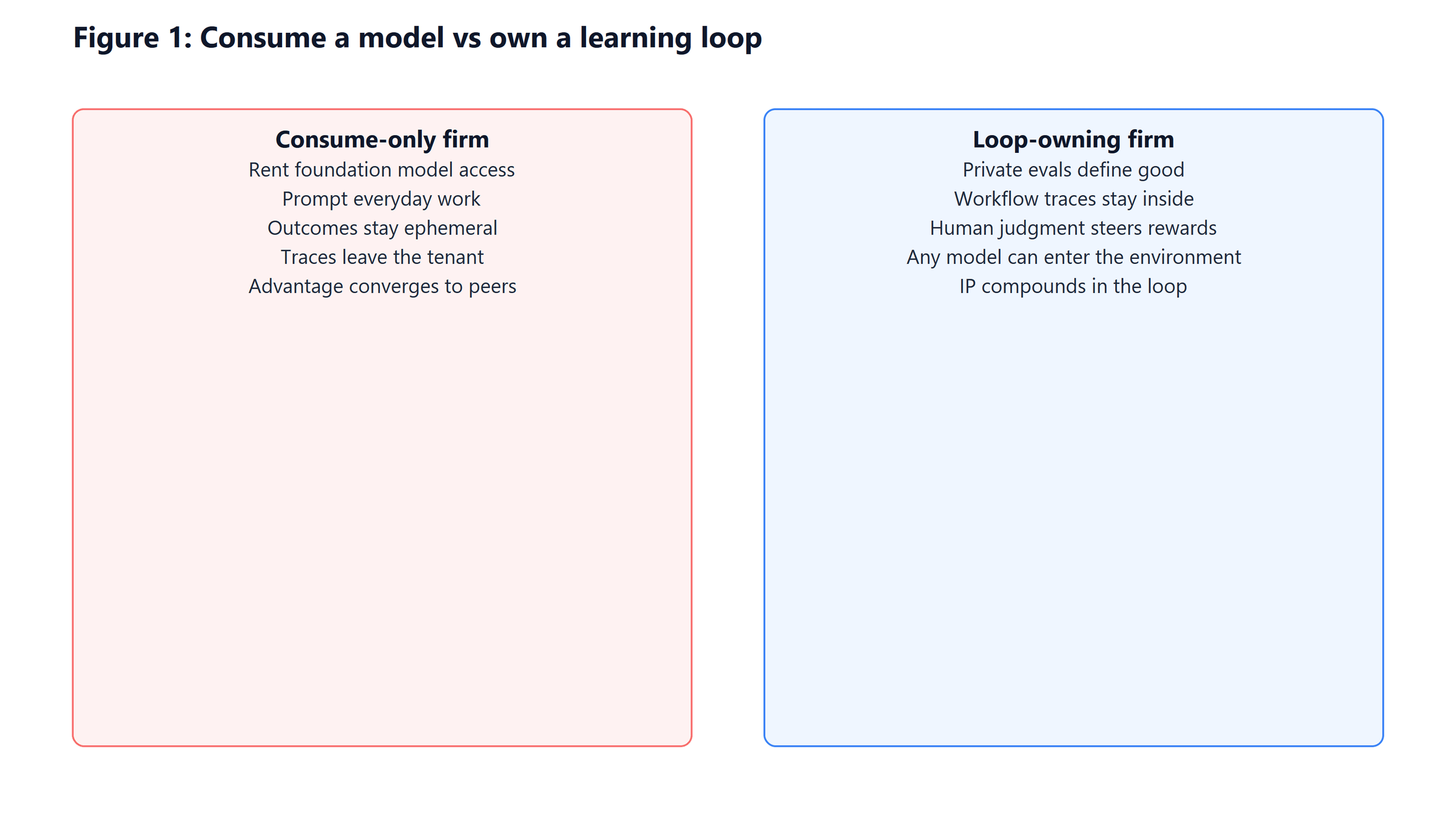
In Microsoft’s Stanford CS153 session with Michael Abbott, Satya Nadella frames the firm’s problem in one line: if models learn from data, what remains of a company whose value has lived in tacit knowledge from operations and people. His answer is not a bigger rented model.
Listen · Agentic AI
Nadella’s AI moat is the learning loop your company owns, not the model you rent
0:00-1:09
Pick your daily storyteller
Subscribe to match with Theo, Jessica, Chloe, Mason, Brock — your voice, every brief.
Live · Kokoro-82M