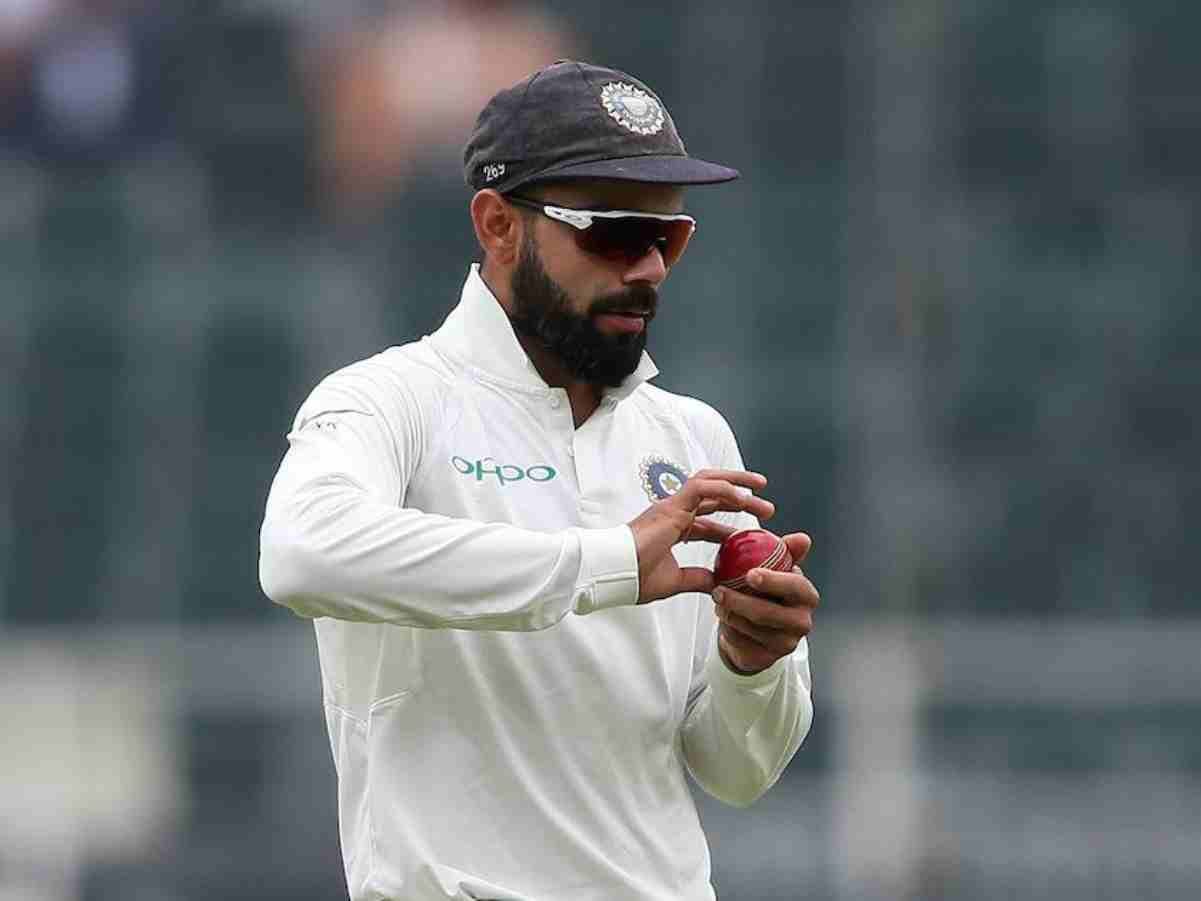
India took a first-innings lead of 352 runs in the Wellington Test against New Zealand. However, despite this substantial advantage, the match ended in a draw. Following the game, India captain Shubman Gill raised concerns over the quality of the Kookaburra ball and urged cricket’s governing body, the International Cricket Council (ICC), to reconsider the ban on using saliva to shine the ball.
Gill pointed out that the ball was becoming soft after 20-25 overs, offering little assistance to the bowlers on an already unresponsive surface. The use of saliva on the cricket ball was banned as a precautionary measure in 2020 amid the Covid-19 pandemic. The restriction was subsequently made permanent in 2022. Gill’s comments have reignited the debate. But did the use of saliva really offer bowlers an added advantage, even on lifeless pitches? What do the numbers tell us?
Has swing bowling suffered since 2020?
England and the West Indies played the first Test match in Southampton after the ban was implemented six years ago. England’s pacers generated an average swing of 0.69 degrees in the game, compared to their average of 1.07 degrees in home Tests over the preceding five years. According to CricViz, this represented a 35.5% decline.
But as it turns out, the decline in swing had started well before the restriction came into effect. The average swing generated in England between 2010 and 2016 was 1.15 degrees, which had already dropped to 0.97 degrees between 2017 and 2019.
The numbers of James Anderson, one of the finest exponents of swing in modern cricket, make for an intriguing case. According to CricViz data published by Wisden, between 2015 and 2019, he generated an average swing of 1.14 degrees, which came down to 0.97 degrees between 2020 and 2024. There was practically no change in his average bowling speed between the two periods, although his bowling strike-rate rose from 53 to 59.5.
An independent study by cricket statistician Charles Davis reveals that captains have become increasingly reliant on the second new ball. They took the second new ball before the completion of 82 overs in 65% of the sampled innings between 2010 and 2015. That figure increased to around 77% between 2021 and 2026, perhaps indicative of the diminishing efficacy of the old ball.
What the IPL experiment revealed
The BCCI lifted the saliva ban in the IPL ahead of the 2025 season. A subsequent analysis by Wisden revealed that fuller deliveries generated up to 30% more swing towards the end of the first innings than in the previous three seasons. There was no discernible change in the figure during the powerplay.
With potentially more assistance on offer, the bowlers appeared to change their approach. According to Cricbuzz, after the first 37 matches of IPL 2024, only 15.5% of the attempted yorkers were directed at the stumps. At a similar stage during the 2025 edition, 40.7% of the attempted yorkers were aimed at the woodwork.
Reverse swing without saliva
The possibility of reviving reverse swing even without saliva has, in fact, been demonstrated by an experiment conducted by the ICC. Since July 2025, fielding teams have been allowed to continue with one of the two balls after the 34th over in ODIs.
According to BBC Sport, before the change, 35% of fuller deliveries from pacers swung by more than one degree in the final 10 overs. Since the rule’s introduction, that figure has risen to 50%. The improvement has also been reflected in the bowling figures. The economy rate of pacers in the final five overs of an ODI innings has dropped from 8.40 to 7.95 in this period.
When the MCC made the saliva ban permanent in 2022, it cited research suggesting that the restriction had little to no impact on swing. The IPL numbers, nevertheless, give the ICC sufficient reason to revisit that conclusion, especially when it comes to the old ball.
The ICC’s own ODI experiment also underscores the importance of the ball’s condition and age. Bringing saliva back could give bowlers another weapon in their armoury, but addressing Gill’s concerns about the quality of the balls might be equally, if not more, important.