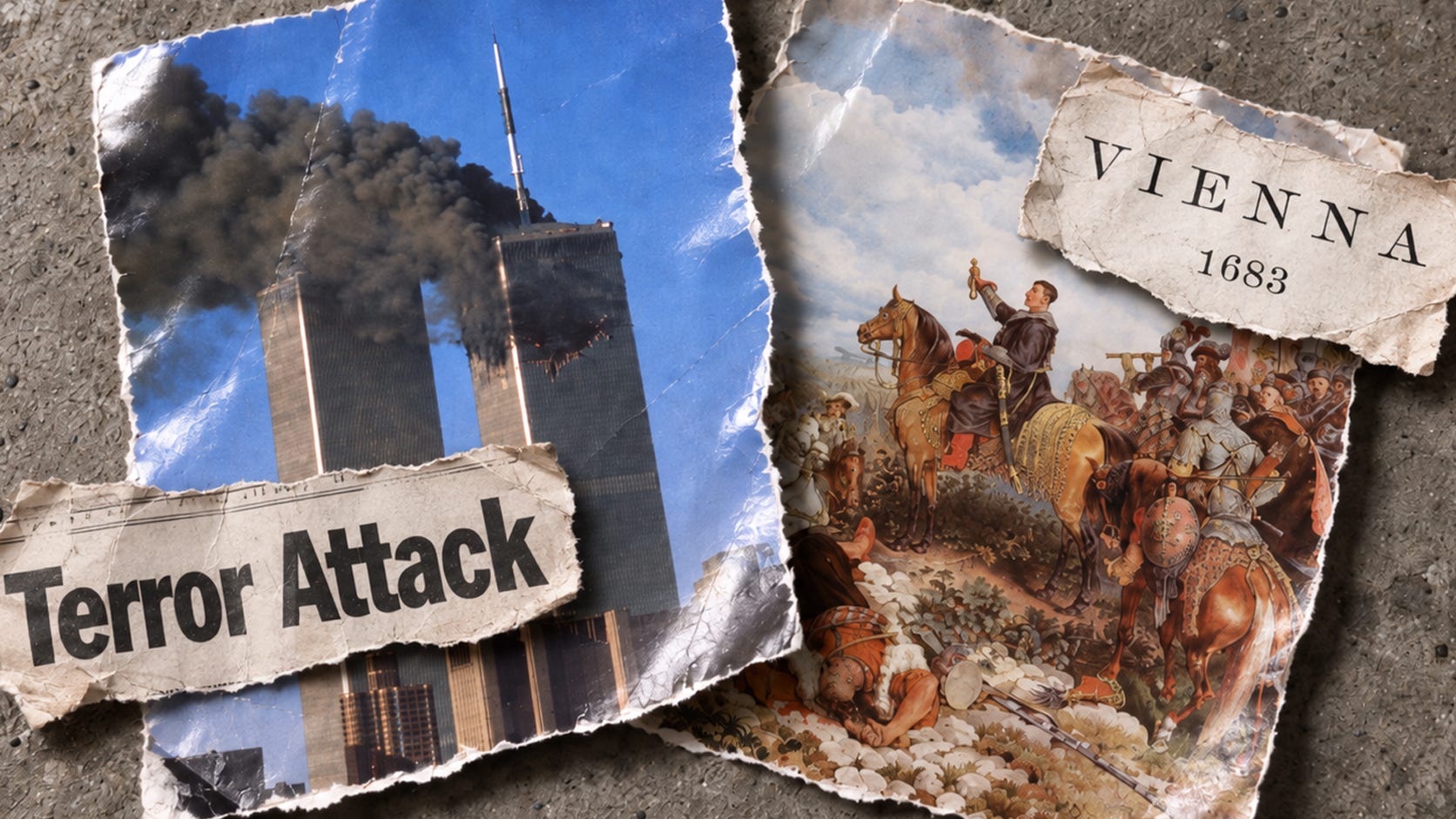
VIENNA—Vienna is a city steeped in history, the center of a former empire, a metropolis that shaped European destiny over centuries. It is also my home. It is the place I connect with most intimately, even now that I spend so much of my time in Ukraine. Vienna is the city whose siege I inherited as history. Ukraine is the country where I learned what a siege means.
We publish this newsletter every day at 9:05am NYC time / 4:05pm Kyiv.Your subscription fuels our work.
Whenever I look up toward the Kahlenberg while walking on the streets of Vienna, I do not see only a wooded hill above my beautiful city. I see the men who stood there on the morning of September 12, 1683, looking down upon an enormous Ottoman camp and the battered walls beyond it.
Charles of Lorraineled the imperial forces, whileKing John III Sobieski of Polandtook supreme command. Against an external enemy, Europe had reached the hour when internal quarrels had to be set aside.
Those men knew that down below, Vienna and its defenders and civilians alike, were approaching the end of their strength.
The Ottoman Empire had tried to capture Vienna once before. Sultan Suleiman reached the city in 1529, but failed. In 1683, Grand Vizier Kara Mustafa Pasha returned to finish the work. His army reached Vienna in July. The court fled, the defenders burned the suburbs, and the Ottoman camp rose beyond the walls like a second city.
The army crossed the Danube and hauled its guns through the woods of Vienna, up the hill overlooking the city. On September 12, it descended.
Inside stood Ernst Rüdiger von Starhemberg and the men charged with keeping Vienna alive. Their battle soon moved underground. Ottoman sappers dug toward the bastions, while the Viennese drove countermines to meet them. Men listened for shovels beneath their feet, then fought in passages of smoke and earth. Above them, guns battered the fortifications. Civilians carried water, cleared rubble, and watched the food disappear.
By early September, the defenses were gravely damaged, the garrison was exhausted, and the final assault drew closer. Vienna was not awaiting deliverance with heroic calm. It was bleeding, starving, and holding one more day because one more day was all it could promise. They knew that surrender was no option: Thousands of civilians living outside the city gates had already been taken into slavery, often despite Ottoman assurances of safety that turned out to be a ruse.
Then the news passed through the city: Fires had been seen on the Kahlenberg. The relief army was near.
Austrians, Poles, and Germans
fought under a Polish kingfor a city that was not his. They fought because they knew that if Vienna fell, the road beyond it belonged to the conqueror.