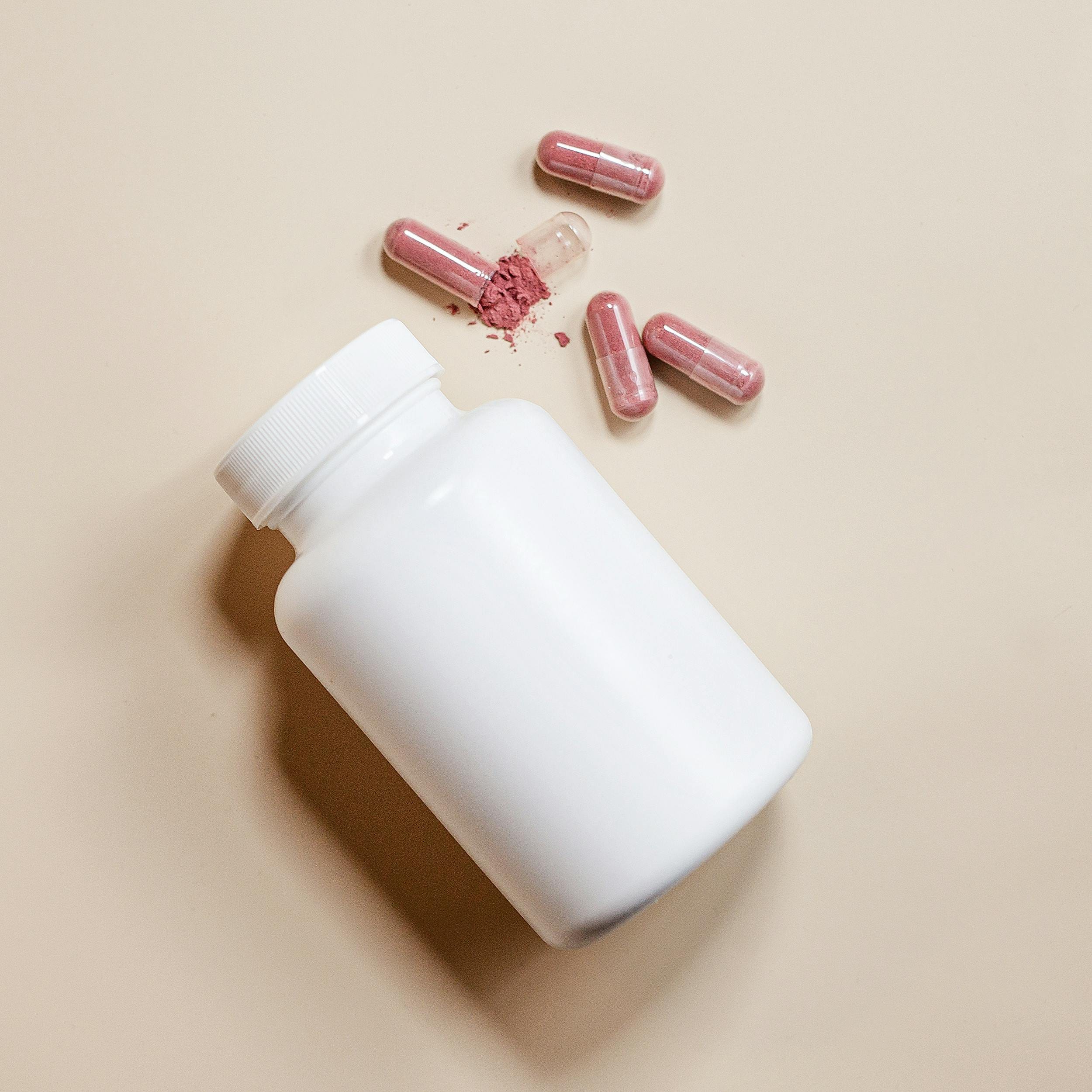
Hello, MC360 friends!
We hear from people every week trying to figure out which supplements are safe. You’ve read the labels, checked the ingredients, and asked in Facebook groups.
Vitamin C for immune support. Magnesium for sleep. B vitamins for energy.
All good things, right?
Not always. Not with MCAS.
Last week, we talked about how fillers and ingredients can matter. We even created a quick-reference guide you can keep in your wallet or take to appointments. And the week before that, we talked about tips for onboarding things low and slow for better success when you are sensitive.
In today’s conversation about adding new supports (like supplements and medications), we’re going to talk about specific supplements. Because some things that are commonly “healing” or “anti-inflammatory” can actually trigger mast cells. Even when they’re clean, high-quality products with no fillers.
In this post you’ll learn:
Why “healthy” supplements can still trigger mast cells
Which types of vitamin C, magnesium, and B vitamins to be cautious with
The hidden histamine liberators in flavored supplements
What to look for instead (so you can actually support your healing)
Get the link to
TMS for a Cure’s Free ER Protocol
This post is for informational purposes only. To read our full disclaimer, please scroll to the bottom of this post.
The truth is, that when you have Mast Cell Activation Syndrome you can react to just about anything. And what works for one person, may not work for another.
That’s part of why starting things low and slow can be helpful.
But there are a few supplements that are commonly an issue for those who are sensitive.
Even when these supplements are “clean” and filler-free, the active ingredient itself can be problematic. And like you read in last week’s post about fillers, it might be because these are high histamine themselves or because they are histamine liberators (aka mast cell triggers).
Here are a few supplements we often see trigger reactions in the clinic:
Vitamin C is often recommended for immune support and mast cell stabilization. And it can be helpful. But there are some things you need to know first.
Most vitamin C supplements are made through fermentation, which makes them high histamine:
Ascorbic acid(often fermented) – high histamineAscorbyl palmitate(often fermented) – high histamine
These can trigger reactions even though vitamin C itself can be supportive for MCAS.
What to look for instead: Non-fermented vitamin C sources or food-based vitamin C from low-histamine fruits and vegetables.
Related Post: Allergy to Vitamin C or Histamine Intolerance?