News
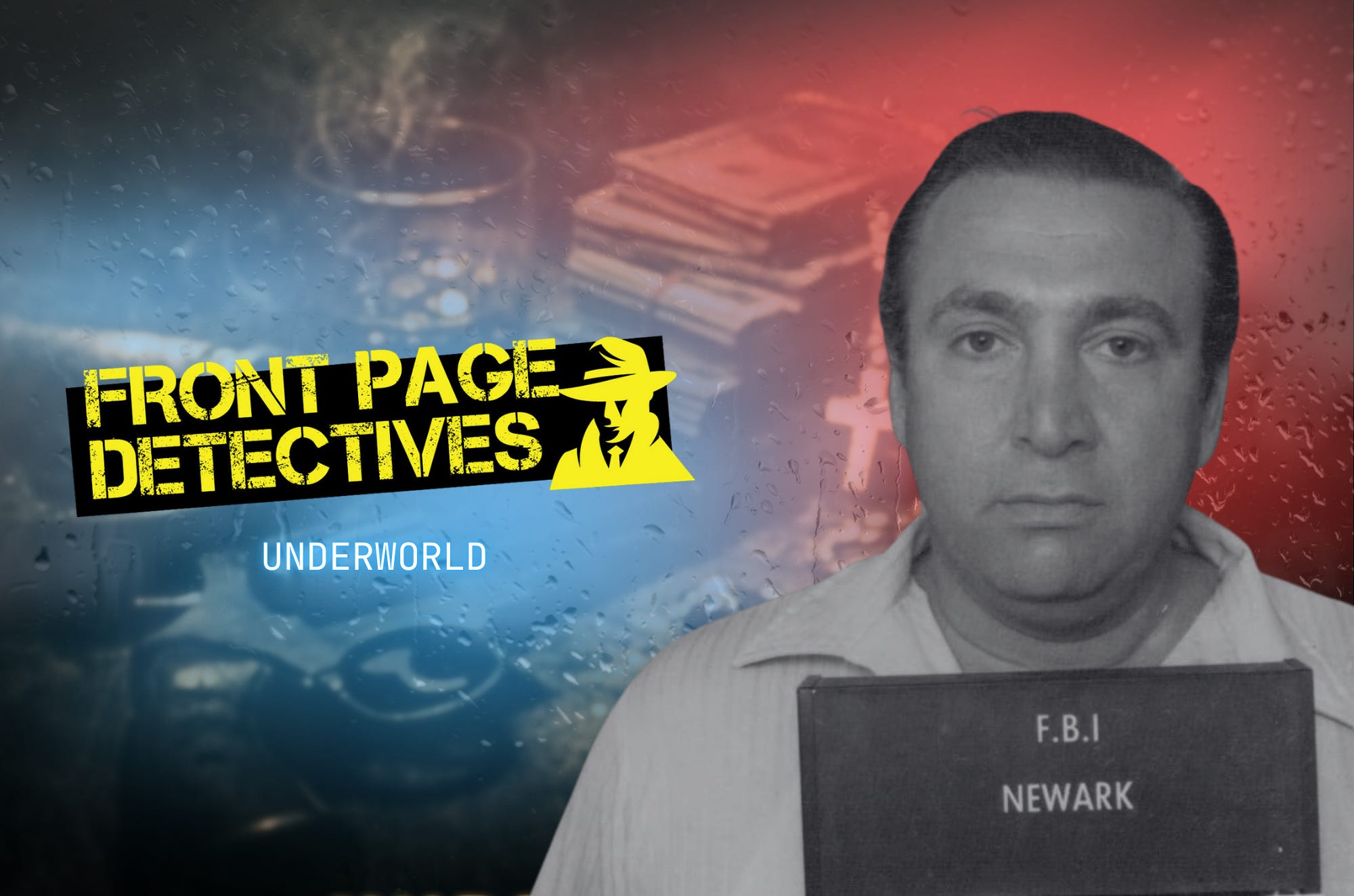
The Killing Machine: Roy DeMeo and Murder at the Gemini Lounge
Michael East · Front Page Detectives
Oct 14, 2026 · 1 min listen · Last updated October 14, 2026
The Gemini Lounge stood at 4021 Flatlands Avenue in Brooklyn. Customers came for drinks. Roy DeMeo used the premises to conduct business with car thieves, borrowers and members of the Gambino crime family. Some visitors arrived expecting a conversation and never returned home.
Listen · Front Page Detectives
The Killing Machine: Roy DeMeo and Murder at the Gemini Lounge
0:00-0:56
Pick your daily storyteller
Subscribe to match with Theo, Jessica, Chloe, Mason, Brock — your voice, every brief.
Live · Kokoro-82M