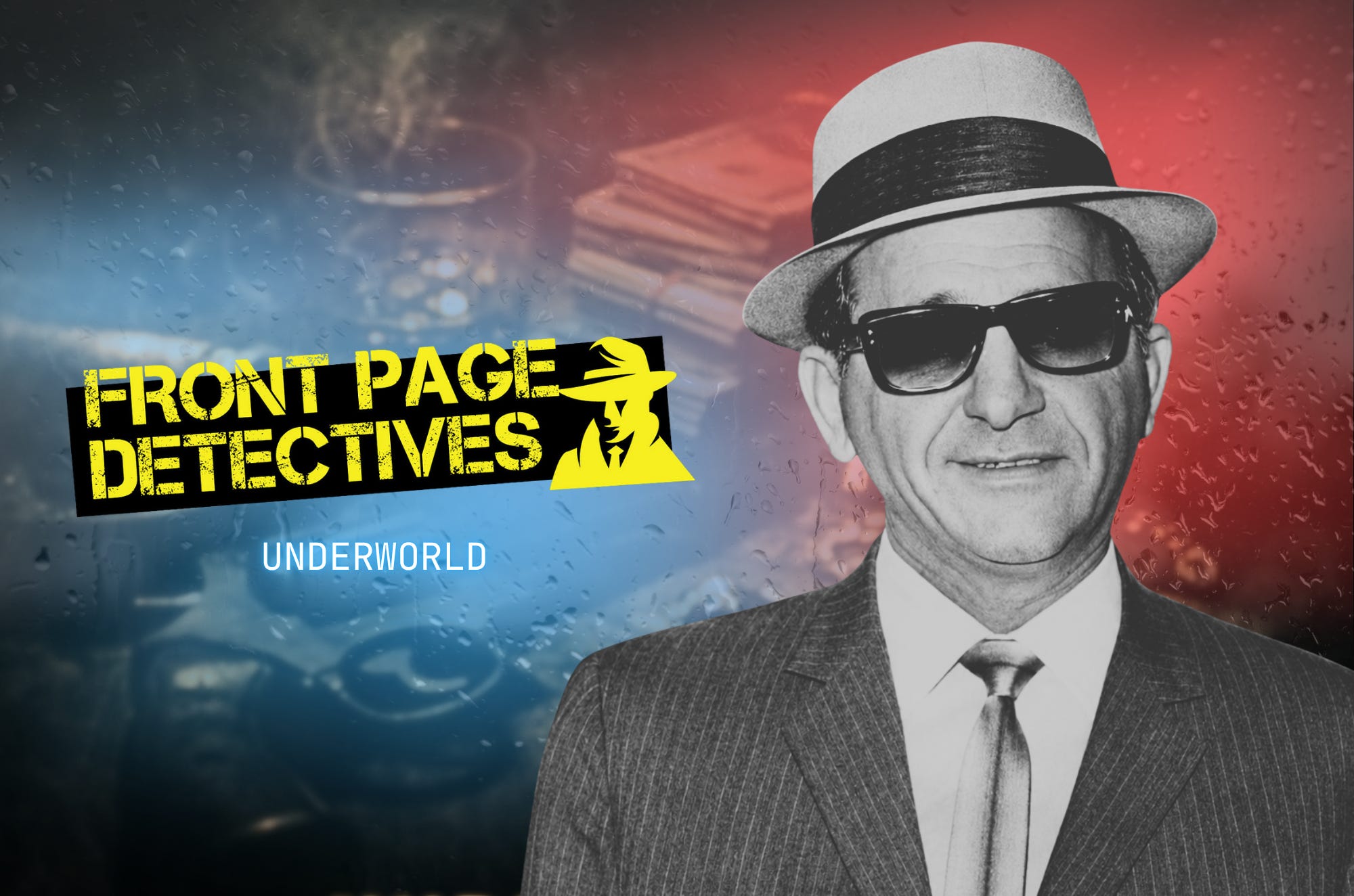
Sam Giancana had spent most of his life learning how not to get killed. In his line of work, that was less a useful instinct than a basic condition of survival.
Men disappeared in the world he inhabited. Some were found in car trunks or dumped beside roads, while others simply vanished. Loyalty lasted only as long as it remained useful, friendship came with conditions, and retirement rarely meant a pension and a quiet life in Florida. Giancana understood those rules because he had spent decades helping enforce them.
Yet on the night of June 19, 1975, the former Chicago crime boss seemed comfortable inside his Oak Park home. He had recently returned from years of exile in Mexico and undergone gallbladder surgery. At 67, his years of commanding one of the most powerful criminal organizations in America were behind him. He was downstairs in his basement kitchen preparing food when somebody joined him.
Whoever entered apparently gave him no reason to be afraid. Giancana had survived federal investigations, prison, gang wars and decades among professional killers, so he wasn’t the sort of man likely to admit an unknown visitor casually into his home.
Then somebody shot him.
A .22-caliber bullet struck Giancana in the back of the head. More shots followed from close range. By the time the killer left, Giancana had been shot seven times, including through the face and beneath the chin. His caretaker found him dead on the basement floor later that night, and nobody would ever be convicted of the murder.
Had Giancana been an ordinary gangster, the obvious explanation might have been enough. He had accumulated enemies for half a century, and the Chicago Outfit had never required outside assistance when it wanted an inconvenient former associate removed. Giancana, however, wasn’t an ordinary gangster. Washington was beginning to expose some of the darkest secrets of the Cold War, and congressional investigators wanted to hear what he knew.
Years earlier, he had taken part in a covert operation so extraordinary that it once sounded like conspiracy fiction. The Central Intelligence Agency had secretly recruited organized crime figures to help assassinate Fidel Castro, and Giancana knew how the arrangement had worked because he had been part of it.
He also knew people around John F. Kennedy, had been accused of helping Kennedy win the presidency and had come to despise an administration whose Justice Department declared war on organized crime. His name would later appear throughout official investigations into Kennedy’s assassination, although no inquiry established that Giancana had participated in the murder.
The questions surrounding his death therefore extended far beyond which enemy had finally decided to kill an aging mob boss. The more unsettling question was how one of America’s most notorious criminals had come to possess so many of America’s secrets.