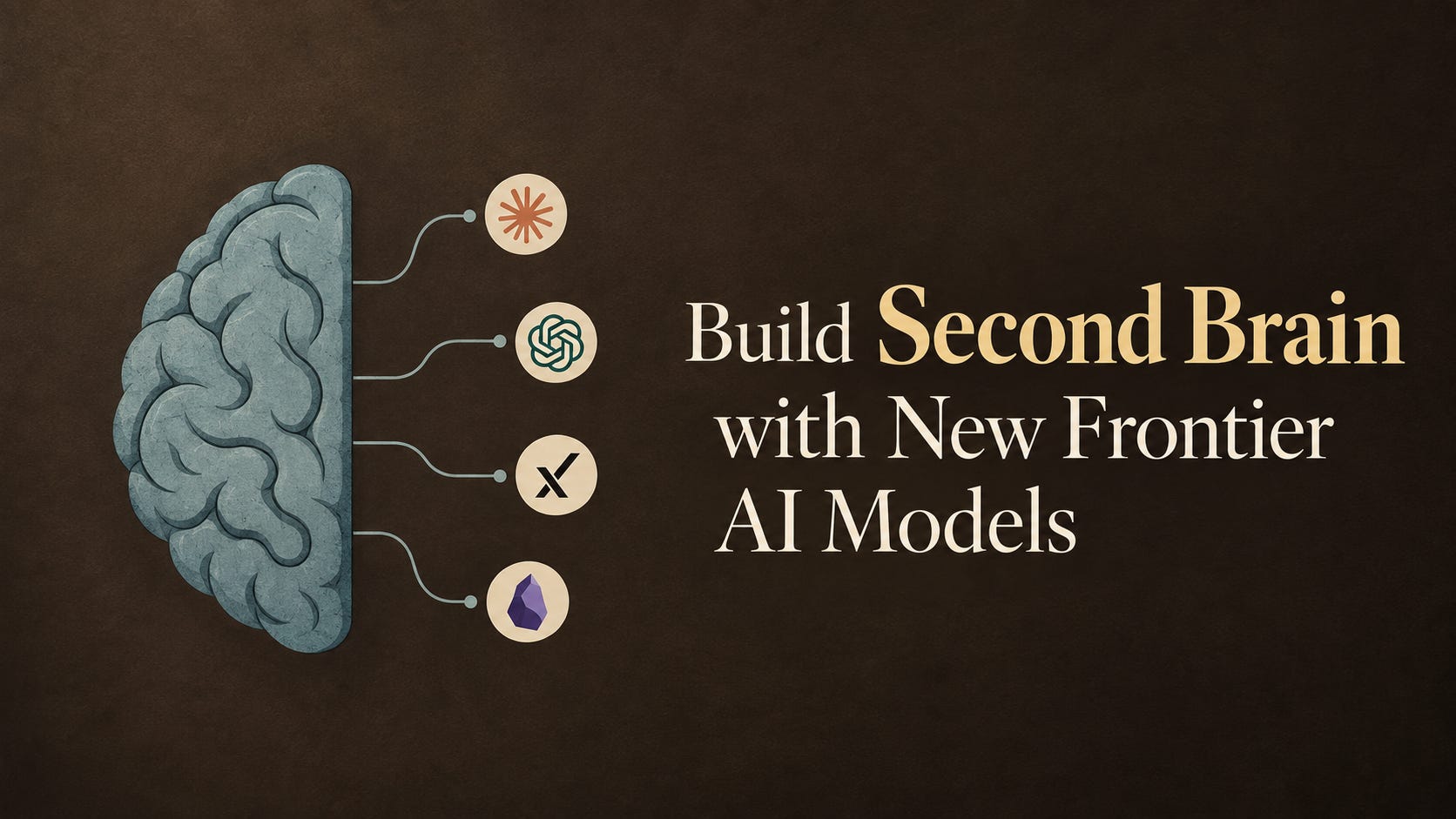
There is one AI problem that suddenly feels much bigger than it did a year ago.
You can spend an hour working with AI on something important. It reads your files, understands the project, learns what you like, catches your mistakes and helps you make a good decision.
Then you come back a few days later and half of that useful context is gone somewhere inside an old chat.
So you explain yourself again.
That was acceptable when AI was mainly a chatbot.
It feels ridiculous now.
GPT-6 Astra can work across files, browsers and software. Claude Fable 5.1 can work through extremely large amounts of context and stay on difficult jobs for a long time. Grok 4.6 is built for long-running agent work, while Grok Bot can keep persistent agents running even when you are not sitting in front of them.
These models are becoming incredibly good at thinking. The next useful step is giving them something worth remembering.
Your AI should not meet you for the first time every morning
Imagine opening your AI and asking:
What was I thinking about this project three months ago?
And it finds the right notes.
You ask:
What did I decide after that meeting?
It finds the decision and the meeting behind it.
Then:
I want to write about this topic. What useful research, old ideas and unfinished thoughts do I already have?
It brings them together.
And later that evening, new research you saved during the day has already been cleaned, connected to older ideas and placed where you can find it again.
That is the version of a Second Brain that becomes interesting with the newest AI models.
It is no longer just a place to save notes.
It becomes a memory layer behind your AI work.
And surprisingly, you do not need to build something very complicated.
The full guide below builds this from zero: the simple Second Brain structure, the one page your AI should read first, how Astra, Fable 5.1 and Grok 4.6 fit different jobs, what should become long-term memory, how retrieval and graph links work, how to turn repeated prompts into Skills, how to add morning and weekly automation loops, where plugins and APIs fit, how to keep token costs under control, and the exact prompt that turns a normal workspace into a Second Brain that actually remembers and gets more useful with time.
First, forget the giant AI brain
A useful Second Brain needs only five things:
Read more