Connecticut’s state agricultural lab is tracking an unusually early and heavy tick season, with researchers receiving an average of 30 tick submissions per day for testing
More than 40% of submitted ticks are testing positive for Lyme disease and other pathogens, higher than typically seen this early in the season
Residents are urged to wear long sleeves, use insect repellent, and submit any ticks they find to the state lab for identification and testing
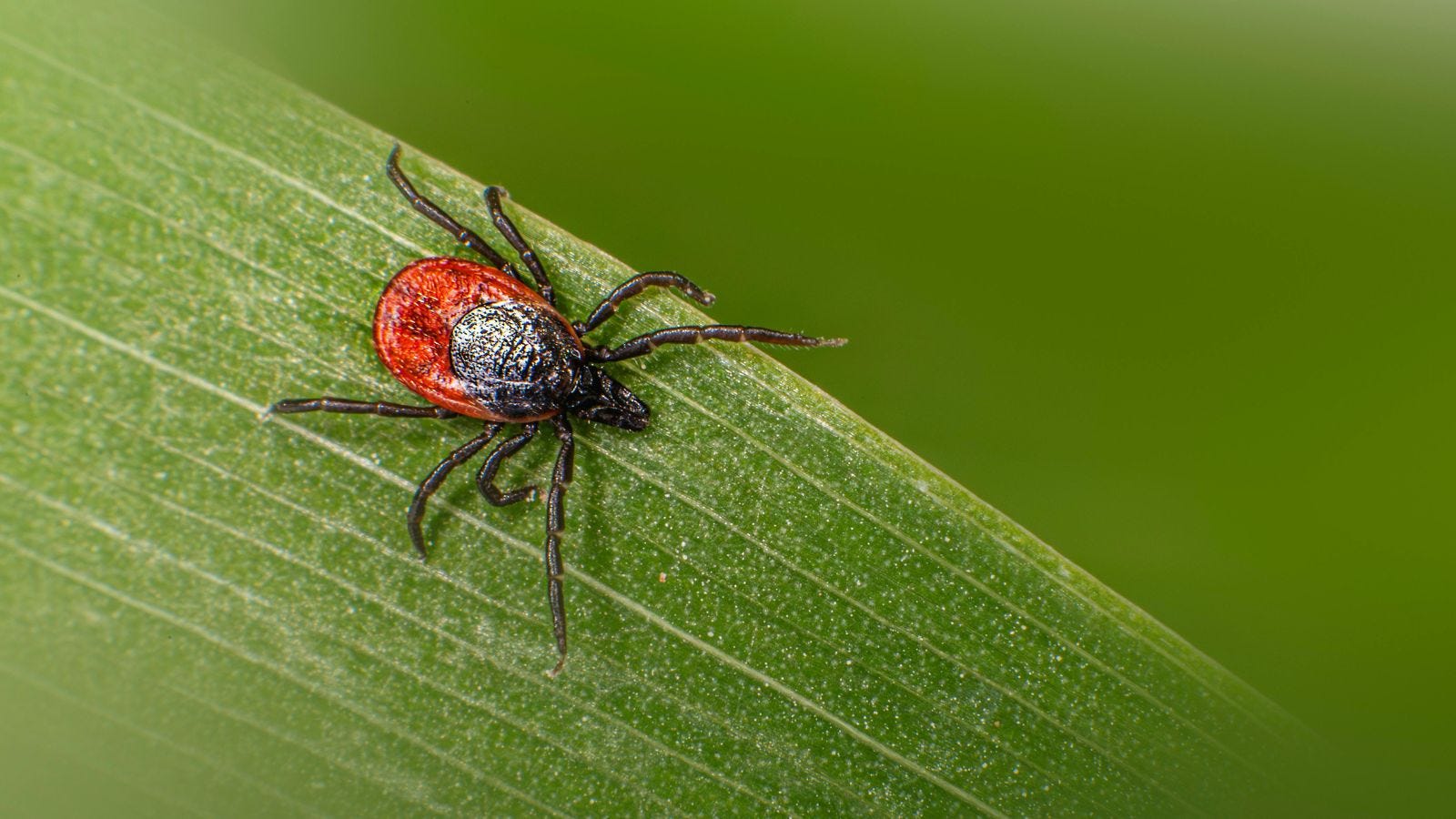
If you’re an avid hiker or love the outdoors, be sure to wear long sleeves and use insect repellant when you’re hitting the trails this spring. Connecticut’s state research lab is studying this year’s crop of insects, and the state’s ticks are showing up in force well above schedule.
The Connecticut Agricultural Experiment Station announced in early April that it is seeing an increasing number of deer ticks submitted to its testing laboratory, and those ticks are showing a higher chance of carrying Lyme disease than traditionally seen in early spring.
State researchers are seeing an average of 30 submissions per day for testing, they said, and more than 40% of those ticks are testing positive for the trigger for Lyme disease, as well as several other pathogens that can develop into serious illness.
CAES staff noted that Connecticut has high tick populations among five separate species, including deer ticks, dog ticks, lone star ticks, Gulf Coast ticks and longhorn ticks, especially focused in Fairfield and New Haven County coastal areas.
Those ticks can spread Lyme disease among other illnesses, with different types of tick carrying different pathogens that can cause conditions like the concerning Alpha-gal syndrome, which can lead to severe allergic reactions if they consume red meat.
In addition to monitoring tick populations, the CARS said it is studying new methods to manage their presence and researching both ticks and the pathogens they carry, seeking to neutralize their potential to cause damage.
Lyme disease, so prominent in Connecticut that it’s named after the Lyme region of the state where it was first discovered, impacts nearly half a million Americans each year, causing damage to joints and the nervous system. In Connecticut, 2,170 cases were reported in 2024, but it’s believed the actual number of cases could be almost 10 times higher.
Using tick repellent when camping or hiking and conducting tick checks are the best ways to reduce contact with ticks, as is wearing long-sleeved, light-colored clothing for easier identification of ticks. Members of the public who suffer tick bites are also recommended to send ticks to the CAES for identification and testing, which can better inform them whether they are at risk of contracting a tick-borne disease and help them pursue treatment if necessary.
Tick presence and potential for infection grow over the course of the year in Connecticut, with the CAES collecting and testing more than 10,000 insects over the course of 2025. As many as 55% of adult deer ticks carried Lyme disease, with another 14% potentially carrying babesiosis and 9% carrying anaplasmosis, which can also cause disease.
By Joe O’Leary