UPDATE: Read the judge’s Opinion and Order.
A federal judge just ruled that Shenandoah County’s school board broke the law when it brought back Confederate names for two of its schools. Judge Michael Urbanski found that the 2024 decision violated the Equal Protection Clause of the Fourteenth Amendment, Title VI, and the Equal Educational Opportunities Act.
Students who sued, along with the Virginia NAACP, won.
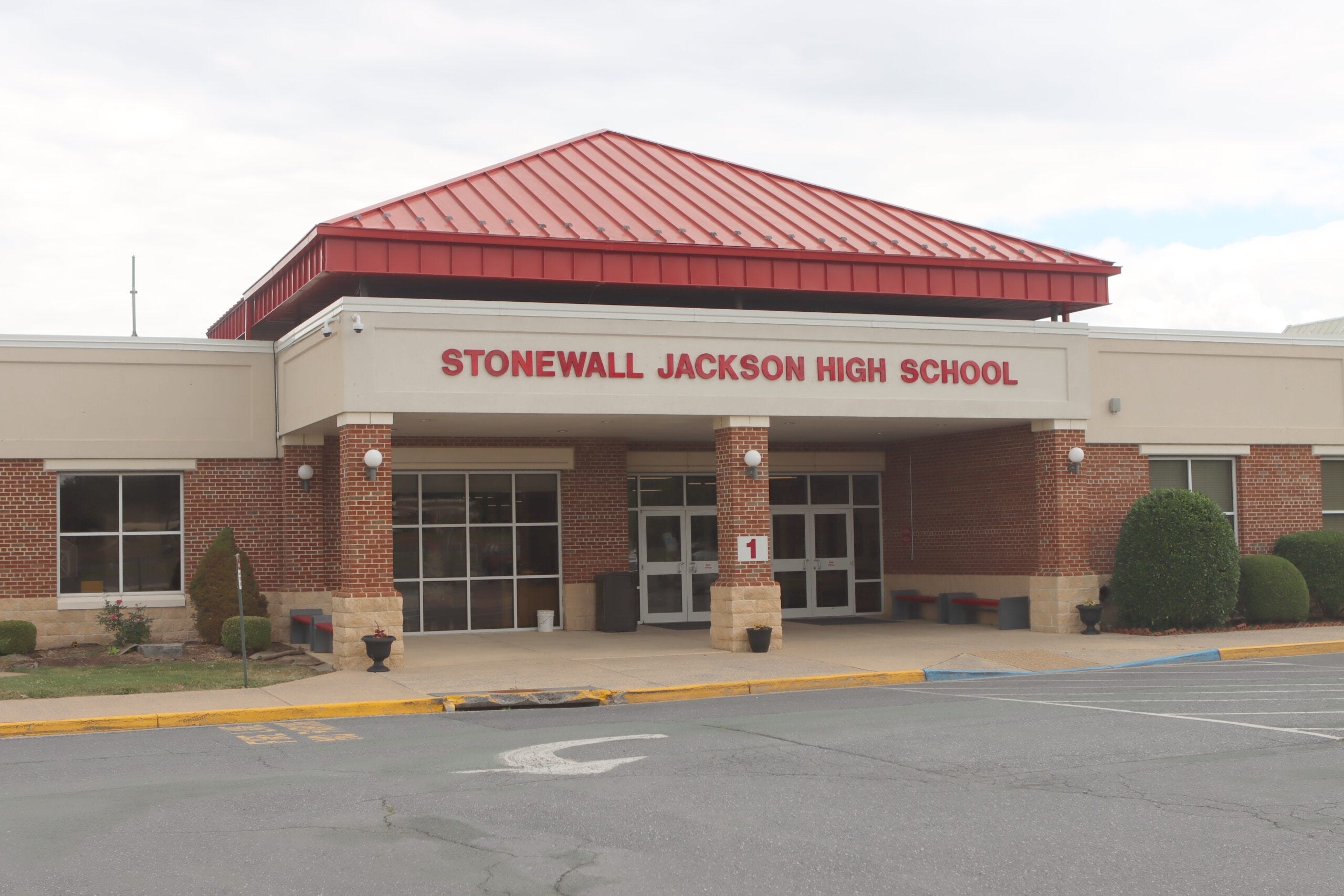
Back in 2020, after George Floyd’s murder, the school board voted to rename Stonewall Jackson High School and Ashby-Lee Elementary School. They became Mountain View High School and Honey Run Elementary respectively. Four years later a newly elected board reversed that decision and brought the Confederate names back. They never really explained why.
When the case went to trial, the 2024 board members simply refused to testify about their motives, hiding behind legislative privilege.
Urbanski saw right through this move. He emphasized that this case was unusual because the students were not trying to erase names that had been in place for decades. They were challenging a board’s decision to undo its own predecessor’s work, a predecessor that had already admitted the original names were discriminatory.
With the board offering nothing credible in its own defense, the judge relied on the students’ testimony about what it felt like to watch their school renamed back, plus expert testimony on the history of slavery, segregation, and Confederate commemoration in Virginia.
This is a great example of how historians can lend their expertise to high-profile cases like this.
The historical context surrounding the original naming of Stonewall Jackson High School is important. I wrote about this back in 2024 when the board first reversed course, and it’s worth revisiting now that a court has weighed in.
Stonewall Jackson High School opened its doors on January 12, 1959. Virginia was deep into Massive Resistance at the time, the state’s campaign of legal and political defiance against Brown v. Board of Education.
Throughout the 1950s and 60s, white communities looked for ways to push back against the civil rights movement. Naming or renaming public schools to honor Confederate generals and political leaders proved to be very popular.
The school’s first yearbook, published in 1960, described Jackson as having an “unblemished Christian character,” which tells you everything about the Lost Cause mythology Virginia classrooms were feeding students at the very same time.
Naming a brand new high school after Jackson in that climate was not intended as merely another history lesson. It was a statement about who the school belonged to and who it did not.
One line in Urbanski’s opinion is worth mentioning. He drew a distinction between monuments and school names, arguing that school names are different because kids actually have to live inside them every single day. Then he reached back to Brown v. Board itself, invoking its recognition that education is the foundation of good citizenship, to explain why the leftovers of racial discrimination have no business in a building where students are supposed to be learning how to become citizens.
Let’s be clear, this fight was never really about Stonewall Jackson’s generalship or Turner Ashby’s cavalry exploits. It was about whether a board elected on a promise to undo a 2020 reckoning could dress that undoing up as neutral history and get away with it.
A federal court just said no.
The 1959 naming and the 2024 renaming turn out to be the same story told twice, and this is the first time a court has spelled that out in plain terms.