Jae Stevens had plans to take his career beyond San Francisco. At 27, he had established himself as a popular drag performer, entertaining audiences in the city’s clubs. His sister Melissa shared his enthusiasm for the stage, and the two were preparing for a national tour. They had spent years performing together and hoped to bring their act to audiences across the country.
Jae was young, talented and ambitious. His life revolved around performing, the people he loved and the future he hoped to build. San Francisco offered Jae opportunities to live and perform more openly at a time when gay and transgender Americans faced widespread discrimination. His sister Melissa later recalled that Jae had identified with femininity since childhood and believed Jae was transgender. Performing was more than a career. It gave Jae an opportunity to express a side of himself that had often been suppressed.
On June 25, 1974, someone found Jae’s body near Spreckels Lake in Golden Gate Park. He had been stabbed to death. The young entertainer would never make his national tour, and Melissa would spend the following decades trying to understand who had murdered her brother.
Jae’s death came during a period of considerable violence against San Francisco’s gay and transgender communities. The city had become a destination for people seeking freedoms denied to them elsewhere, but the opportunities available in its bars, clubs and neighborhoods existed alongside discrimination, police harassment and the constant threat of exposure. A man seeking companionship might find himself in circumstances where asking for help carried consequences of its own.
Five months before Jae’s murder, police had discovered another man’s body on Ocean Beach. He, too, had suffered repeated stab wounds. The circumstances of his death raised disturbing questions, particularly about the anonymous caller who had directed police to the scene and disappeared without identifying himself.
As detectives worked to establish what had happened to the two men, further violence would force them to confront the possibility of an attacker operating among people who had little reason to trust the authorities. Detectives suspected that some victims had voluntarily accompanied their attacker, but the circumstances of their final encounters remained uncertain. Their final movements proved difficult to reconstruct, and the people who might have helped investigators were not always prepared to speak.
The eventual investigation would become one of San Francisco’s most troubling unsolved murder cases. It involved men who narrowly escaped death, witnesses with reputations to protect and a suspect who attracted serious police attention without ever facing prosecution. The possibility of identifying the killer appeared tantalizingly close, yet the evidence never delivered the result investigators needed.
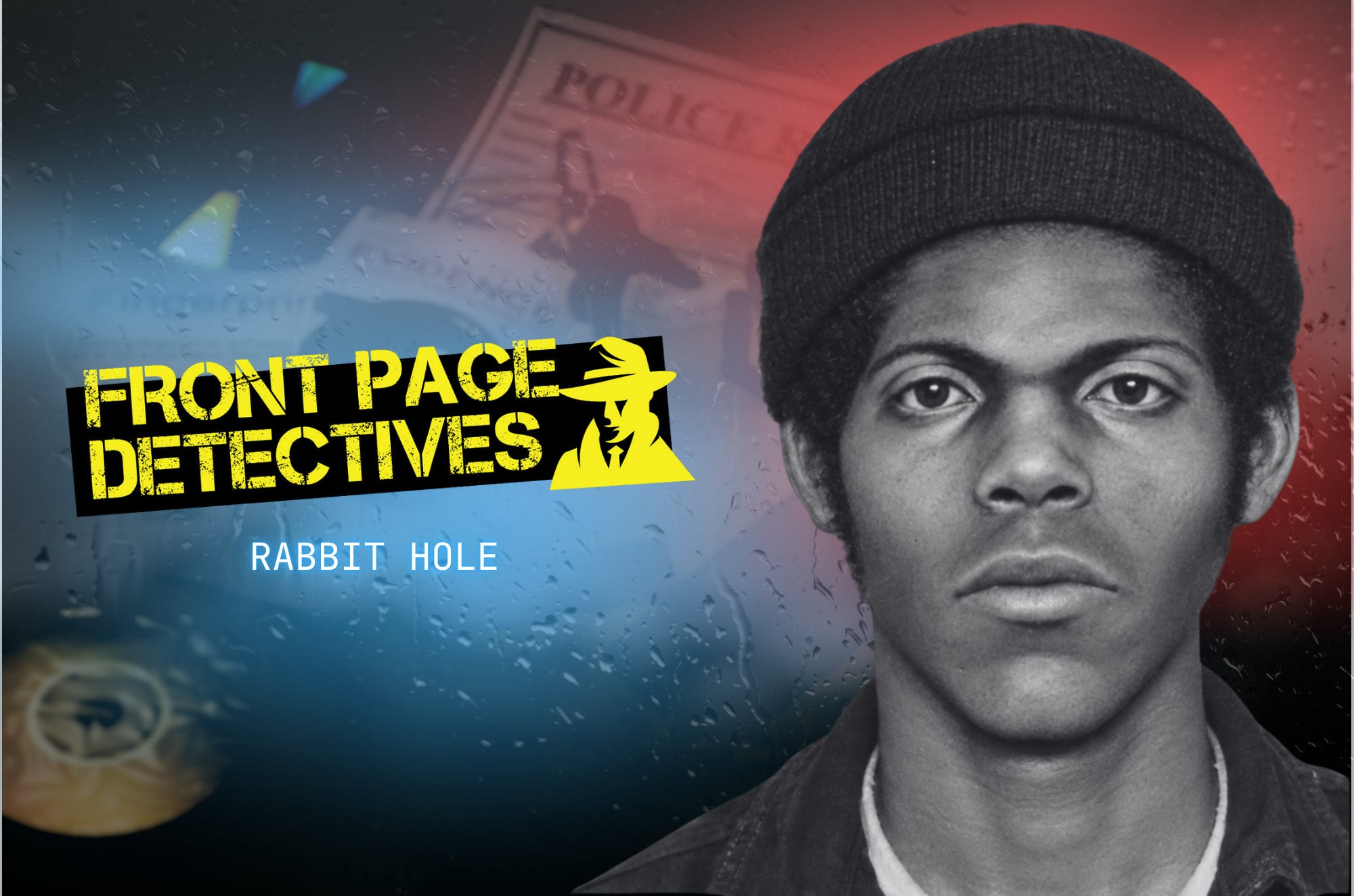
One encounter provided a particularly strange clue. A man who survived an attack remembered meeting a stranger who had entertained him with drawings. It seemed an unremarkable talent, the sort of thing two people might discuss when getting acquainted. Detectives would eventually associate the detail with a series of brutal killings, and the press would give the unidentified attacker a name.
They called him the Doodler.