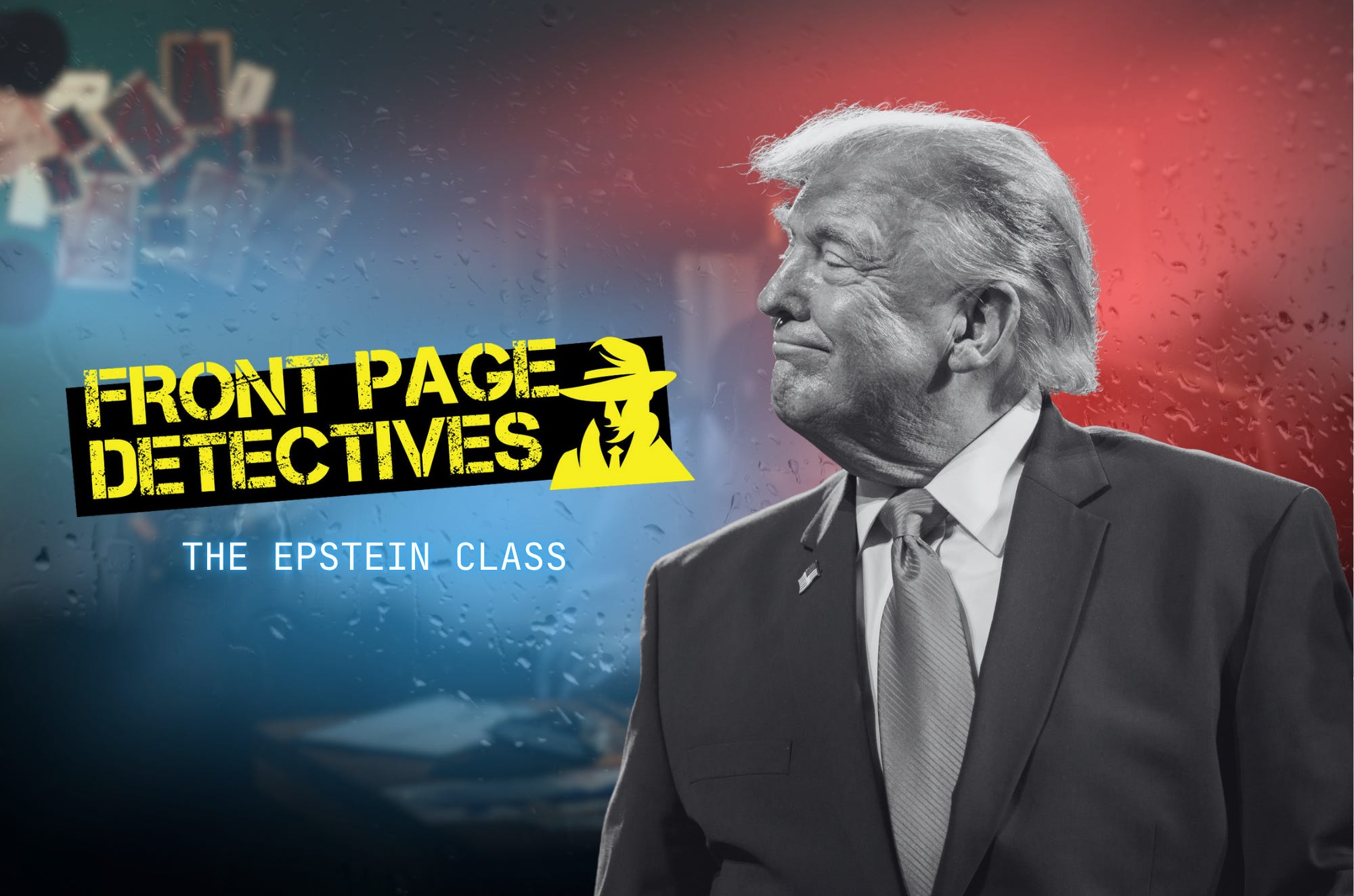
Donald Trump’s relationship with Jeffrey Epstein was public long before the files became a political crisis. The two men appeared together at parties, moved through overlapping social circles and posed for photographs that would acquire a very different significance once Epstein’s crimes became known. In 2002, Trump supplied a magazine profile with an approving assessment of a man he said he had known for 15 years.
Today, the question extends beyond an embarrassing friendship. Trump leads the administration responsible for releasing federal records about Epstein, including material that refers to Trump himself. That creates an obvious public-interest problem. The government explaining what the files mean is also defending the president whose past conduct those files invite readers to examine.
A photograph establishes proximity, a flight record establishes travel, and an FBI interview summary records what someone told investigators. None automatically establishes participation in a crime. Equally, a presidential denial cannot make a documented relationship disappear or settle every allegation contained in an investigative file.
Trump denies wrongdoing and knowledge of Epstein’s criminal activities. He has not been criminally charged in connection with Epstein’s crimes. But the record now includes considerably more than familiar photographs, including private correspondence, disputed birthday material, a former police chief’s account and previously withheld interviews containing an uncorroborated allegation against Trump.
His place in The Epstein Class therefore involves two related questions. What can be established about the relationship before it ended, and can the public trust the handling of the records afterward?