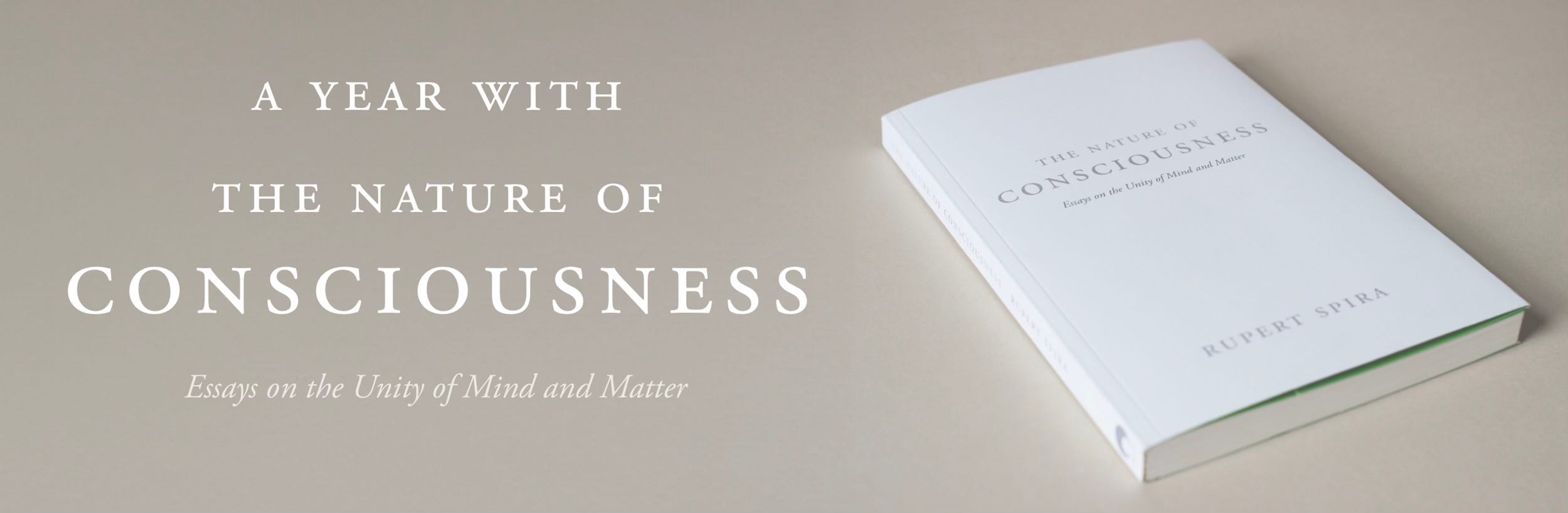
This week we begin Chapter 8, ‘The Essence of Meditation’, exploring pages 79–81. These pages take us to the very heart of what meditation truly is, not as a method, discipline or special state to be attained, but as a simple and intimate recognition of what is already present beneath the mind’s habitual activity.*
Meditation is often understood as something we do in order to change our experience, to become calmer, clearer or more fulfilled. Approached in this way, it easily becomes another form of effort, another attempt to improve ourselves or manage the contents of our minds. Yet this assumption subtly obscures what meditation is actually pointing towards, for it assigns the task of recognising awareness to the very activity that veils it.
In this chapter, meditation is revealed not as an activity of the mind, but as the relaxation of its constant movement, allowing awareness to rest knowingly as itself. Rather than cultivating a new experience, we are invited to notice what remains when effort subsides and attention softens its habitual grasping.
(**The page numbers indicated here each week refer to the original publication of the physical book; they may vary slightly from more recent versions, owing to the publisher’s design modifications.*)
Meditation and the Activity of Mind
Meditation is often assumed to be something the mind undertakes in addition to its habitual activity of thinking, feeling, sensing and perceiving. We have become so habituated to this continual engagement with the content of experience that we take it to be the natural condition of the mind.
However, the highest meditation is not a new activity that the mind adopts to replace this habitual one, nor even an attempt to stop, control or redirect the mind. It is simply the relaxation of this ongoing effort, the easing of the mind’s habitual involvement with the content of experience, rather than a deliberate act of focussing or withdrawal.
Read more