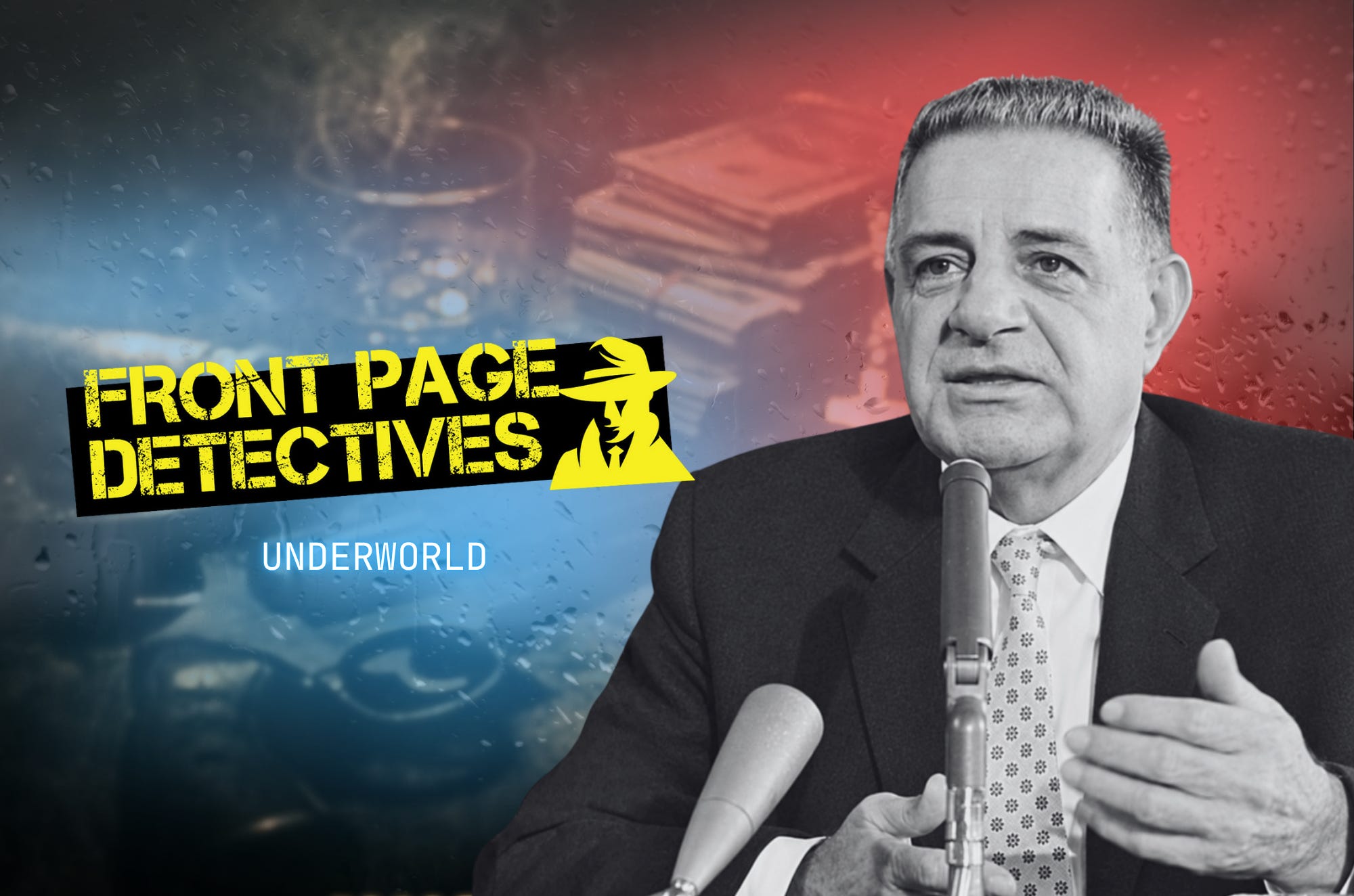
For most of Joe Valachi’s adult life, silence wasn’t merely good sense. It was a condition of survival.
There were things a man could admit to and things he simply could not. He might take a prison sentence, lose years of his life, watch friends disappear or discover that yesterday’s ally had become tomorrow’s corpse. He might obey an order he barely understood and never be told why. None of it changed the central obligation. Whatever happened, he kept his mouth shut.
The arrangement worked because everyone involved understood what breaking it could mean. Prosecutors could arrest gangsters and newspapers could write about “the Mafia,” but the organization itself remained deliberately difficult to pin down. There were no membership cards, public headquarters or corporate records. Its hierarchy existed in introductions, conversations, ceremonies and relationships between men who had sworn never to explain any of it to outsiders.
Joe Valachi understood that system because he had spent more than 30 years inside it. He wasn’t one of its architects, never became a legendary boss and never controlled a national criminal empire. His name didn’t carry the weight of Lucky Luciano or Vito Genovese.
Valachi was something more ordinary and, in the end, more dangerous to the Mafia. He was a working soldier who had spent decades close enough to see how the organization functioned, how orders traveled downward and how money moved upward. He knew what happened behind the doors that outsiders were never supposed to enter.
By the early 1960s, he was aging, imprisoned and frightened. Somewhere between the prison yard and his growing certainty that his own people wanted him dead, the rule that had governed his criminal life stopped making sense.
And once Joe Valachi decided to speak, there was no way to put the secrets back.